
Last updated November 4, 2026
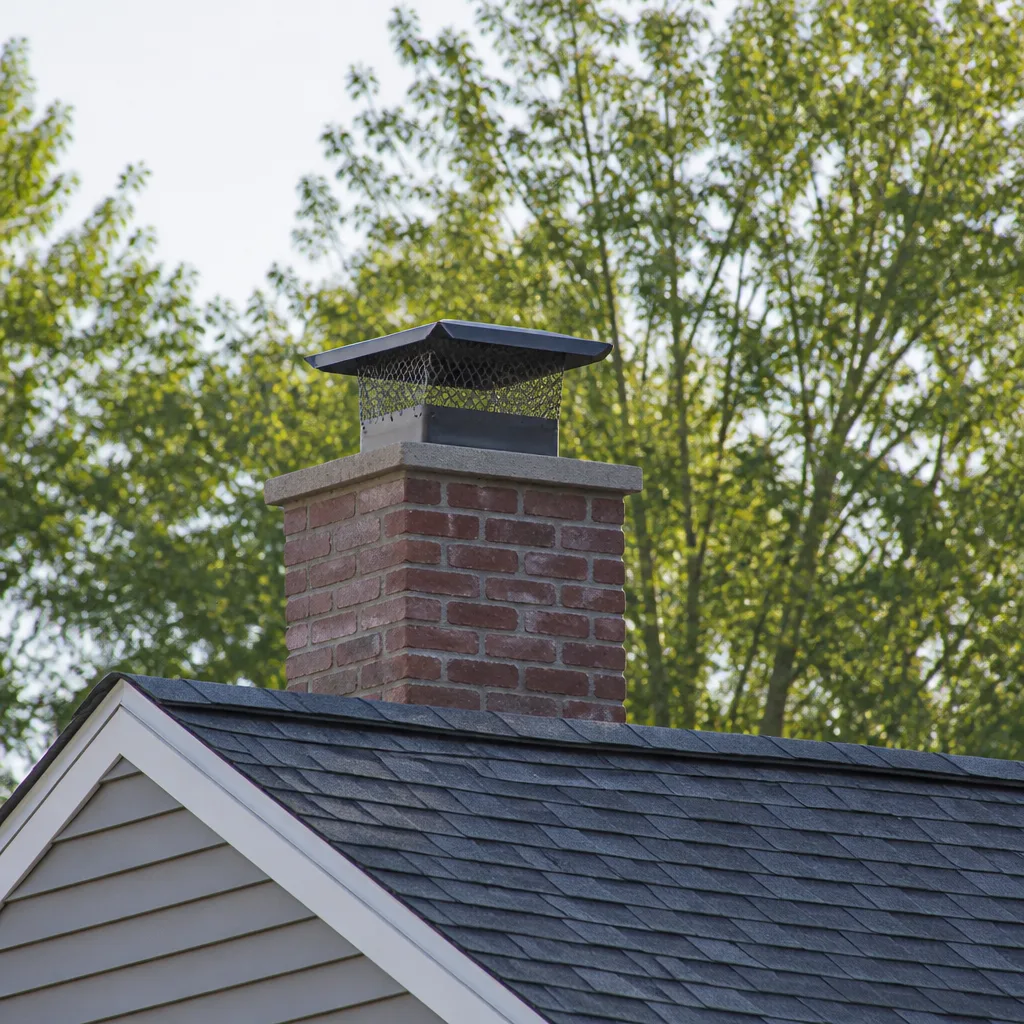 Sweep & inspection
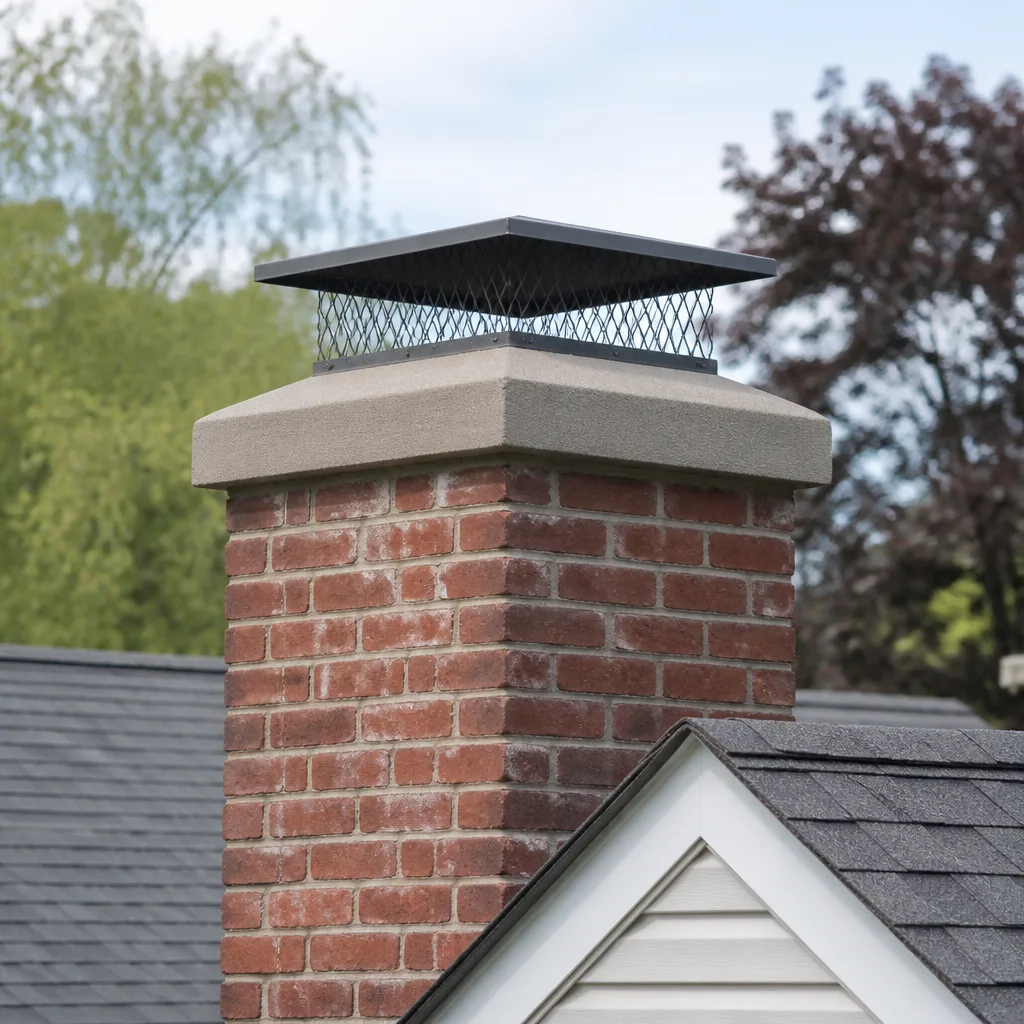 Caps & crowns
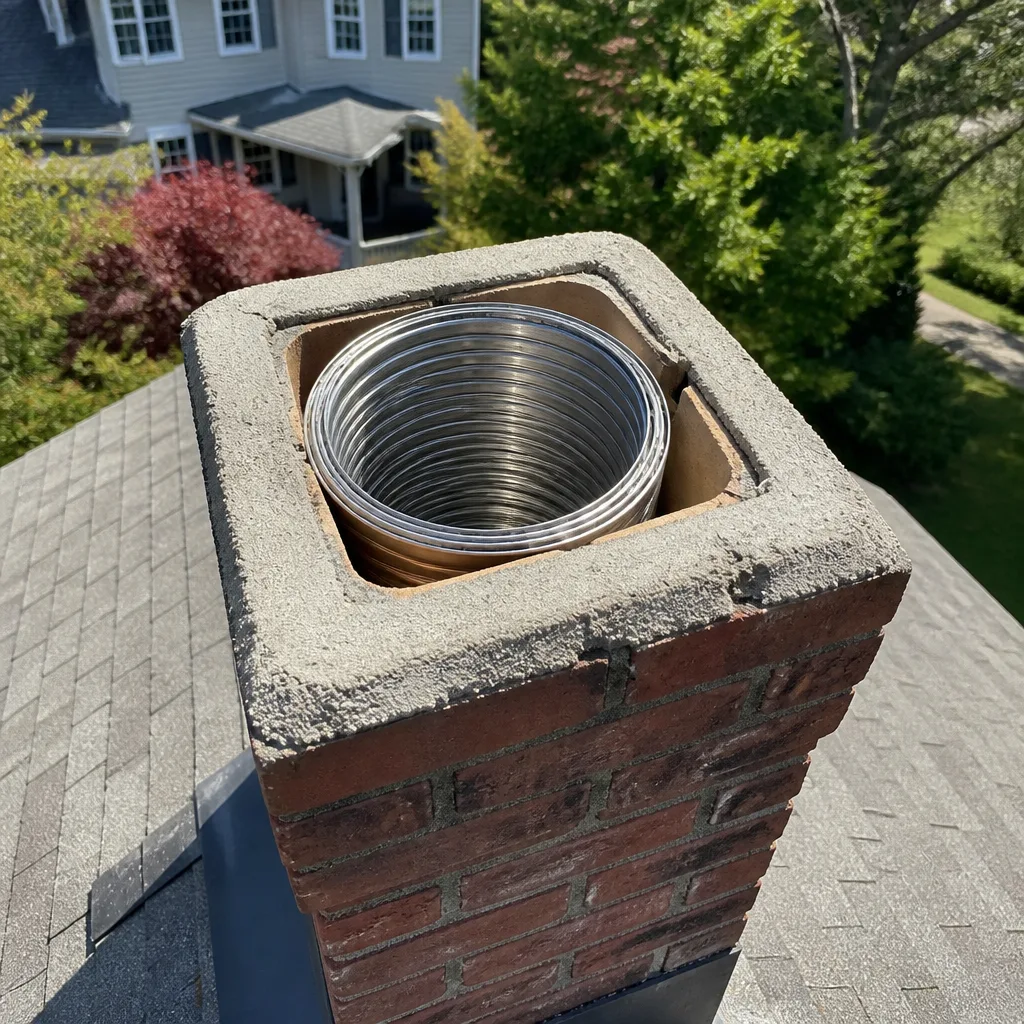 Flue relining
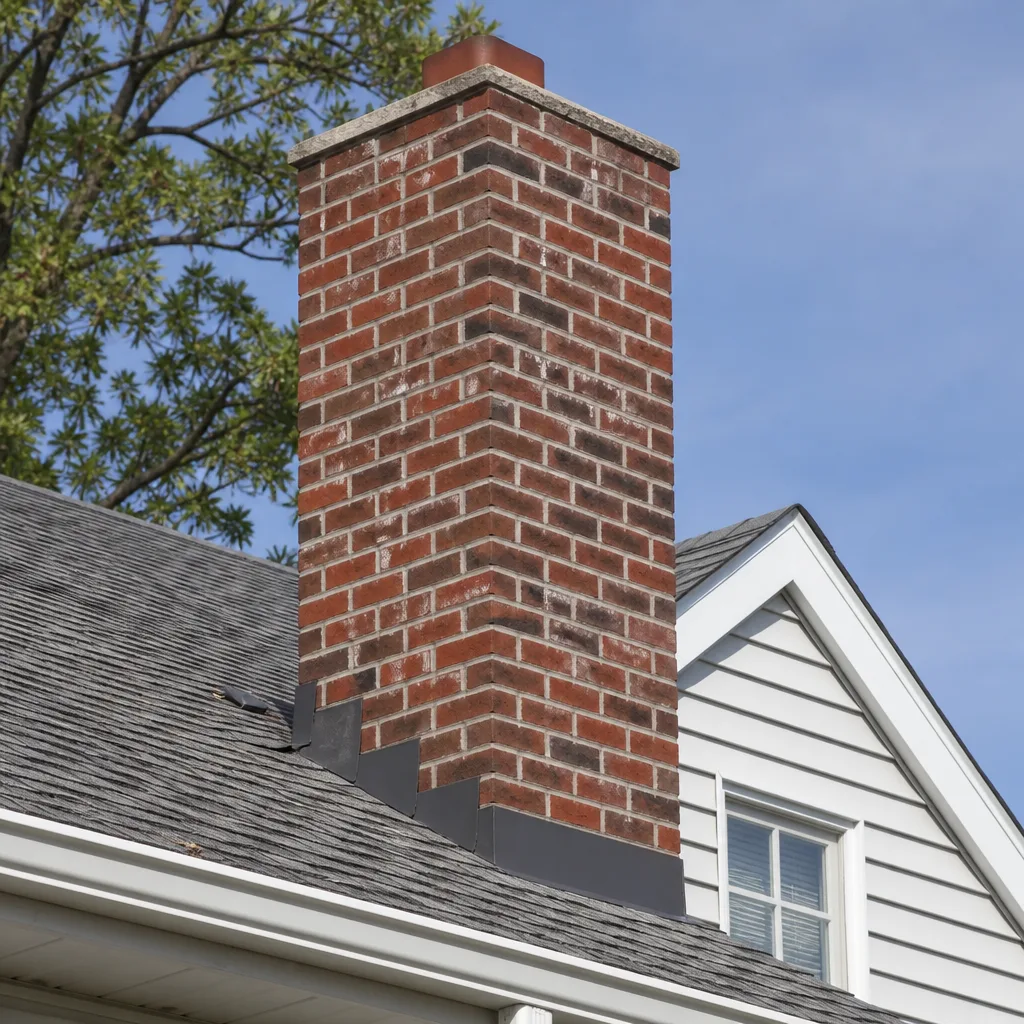 Masonry repair
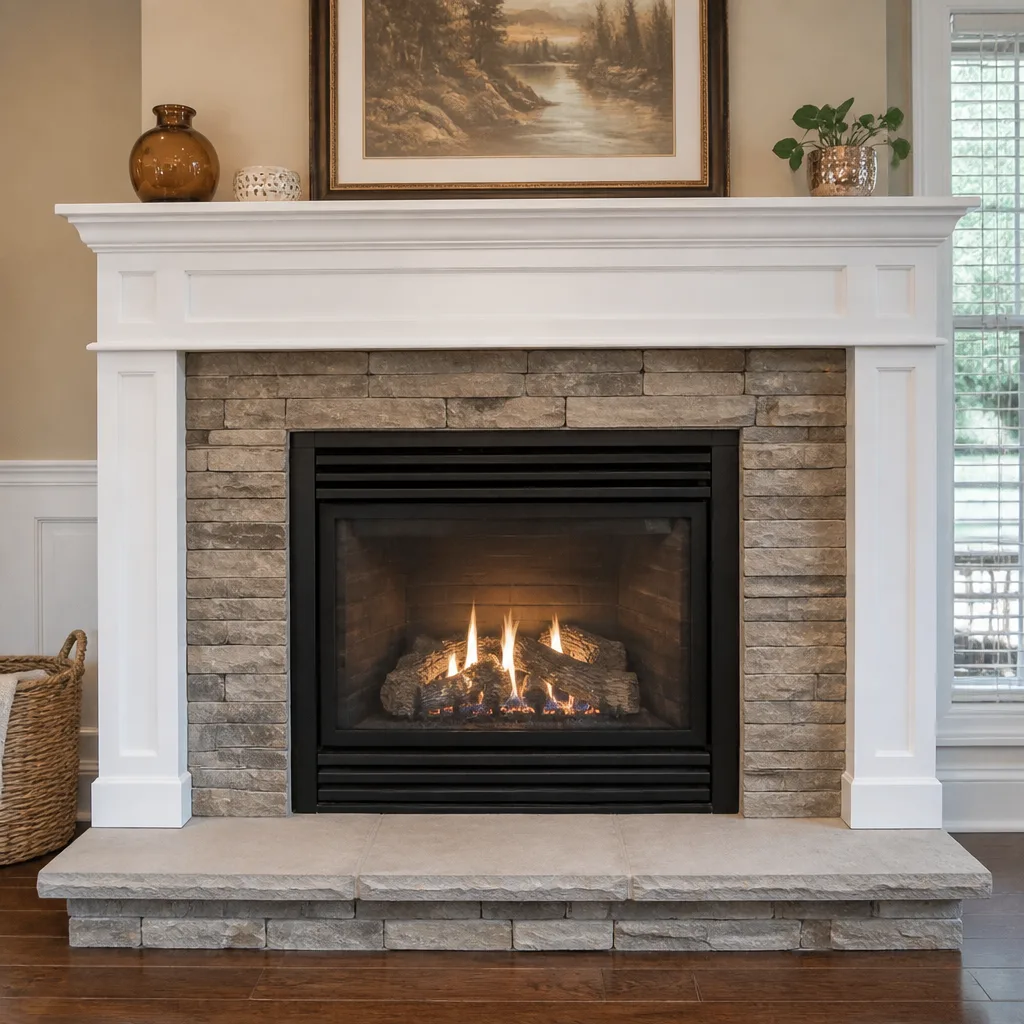 Gas fireplace service
Level 1 sweep and inspection to the NFPA 211 annual standard - flue, crown, cap, and flashing checked and photographed
Chimney sweep logs do not sweep chimneys. They loosen some creosote - which then falls where a brush and vacuum still have to collect it.
Chimney Sweep Maintenance Schedule: What to Do and When
The biggest misunderstanding we run into in San Pedro is the homeowner who treats chimney maintenance like an oil change: once a year, same time, no questions asked. That works fine if you burn half a cord of wood a season. It fails badly if you run a gas insert daily, or you’ve got a pellet stove chugging through January, or your dryer vents through a 25-foot run hanging out over the laundry room ceiling. What follows is a maintenance framework built around fuel type, usage volume, and the specific ways chimneys actually behave in this climate: a dry, mild coastal basin where spring marine layer hangs around, autumn brings dry offshore winds, and the burning season is short but intense. We’ll tell you what to do, when to do it, and what actually matters versus what a guy with a brush and a clipboard will say matters.
Quick Answer
Most wood-burning fireplaces in San Pedro need one professional chimney sweep per year, scheduled in September before burning season. Gas appliances, pellet stoves, and oil furnaces each run on slightly different inspection timelines: gas logs can stretch to 2 years in light-use households, pellet stoves often need a mid-season check plus an end-of-year cleaning, and oil flues require annual inspection with professional sweeping every 2 to 3 years. Dryer vents should be professionally cleaned every 12 to 18 months regardless of what the chimney schedule says.
Styles & brands we work with
- Sweep & inspection
- Caps & crowns
- Flue relining
- Masonry repair
- Gas fireplace service
Table of Contents
- The Fuel-Type Maintenance Matrix
- Why September Is the Smart Sweep Month in San Pedro
- Month-by-Month Maintenance Framework
- Post-Storm Inspection Triggers: What to Check After Rain and Santa Anas
- What a Level 2 Inspection Covers That a Standard Sweep Doesn’t
- The Dryer Vent Maintenance Tie-In: What Your Lint Buildup Tells You
- Signs You Can’t Wait for the Calendar
- Common Mistakes to Avoid
- When to Call a Professional
- Frequently Asked Questions
The Fuel-Type Maintenance Matrix
Here’s the thing a generic sweeping franchise won’t tell you: there is no single correct sweeping interval. The right schedule depends on what you burn and how much of it you burn. A gas fireplace has different failure modes than a wood-burning masonry firebox. A pellet stove creates an entirely different residue profile. An oil furnace flue eats itself from the inside with acidic condensate. Treating all four the same is how you get a guy showing up with a round brush for a rectangular gas flue.
Wood-Burning Fireplaces and Stoves
The old rule of thumb – sweep once a year, every year – holds up for light to moderate usage. If you burn one to three cords of seasoned hardwood per season in San Pedro, which describes most of our customers, you’ll accumulate enough creosote in a single burning season to justify a professional sweep. Creosote is not a uniform layer; it builds in stages, from a flaky soot to a tar-like glaze, and the glaze is the stuff that ignites at lower temperatures than you’d think. One sweep per year keeps that progression from reaching the dangerous stage.
If you’re north of three cords – a household using the fireplace as a serious heat source, or running a wood stove nightly from November through February – schedule two sweeps: one in September before the season starts, and a mid-season check in late December or early January. The second visit doesn’t always need a full cleaning, but it does need a look. Creosote buildup rates go nonlinear at high burn volumes, and a mid-season check catches the kind of rapid accumulation that surprises people.
Wood type matters more than most homeowners realize. Unseasoned wood, or wood that’s been sitting in a damp pile under a tarp that doesn’t breathe, smokes more and burns cooler, which means more creosote per cord, not just more creosote overall. If you’re buying your firewood from a guy selling it out of the back of a truck on Western Avenue in October, assume it’s not fully seasoned. Your chimney will suffer for it.
Gas Log Sets and Gas Inserts
Here’s the misconception that costs people real money: gas burns clean, so gas chimneys don’t need inspection. The flame chemistry is cleaner, no question. But gas flues have their own problems. Gas combustion produces water vapor, and in a properly vented system that vapor condenses on the flue walls. Over years, that condensate attacks mortar joints and clay tile liners in ways wood smoke doesn’t. Gas insert fireboxes crack. Venting connectors corrode. Thermocouples and thermopiles wear out from constant thermal cycling, not from soot.
For light-use gas logs – a few fires a week during the winter, mostly for ambiance – a professional inspection every 2 years is defensible. We still recommend annual if the unit runs nightly or if it’s a primary heat source for one room for the whole season. The inspection should include the firebox, the burner, the log set condition, the venting path, and the termination cap. Gas doesn’t excuse you from chimney maintenance; it just changes what you’re looking for.
Pellet Stoves
Pellet stoves are a different animal entirely. The fuel is dense, the burn is hot, and the ash is fine and gets everywhere. Pellet stoves have ash traps, combustion blowers, convection blowers, and venting that’s often a through-the-wall horizontal run rather than a full vertical flue. Ash accumulates in the venting – not creosote exactly, but a fine, gray, hygroscopic ash that cakes and restricts airflow.
If you burn pellets as a primary heating source in San Pedro, which is rare but happens in the older bungalows up in the hills, schedule a full cleaning at the end of each season, plus a mid-season check of the combustion blower and the vent termination. If you run the stove only occasionally, an annual cleaning still matters, because the ash sits in the venting year-round and draws moisture from the air. That caked ash does more damage to pellet venting than a full season of burning does.
Oil Furnace Flues
Oil flues are the forgotten cousins of the chimney world. Most San Pedro homes that burn oil are older, and the flue is usually either a masonry chimney with a clay liner or a metal vent running through the existing chimney. Oil combustion produces sulfur compounds, and when those combine with water vapor the result is acidic condensate that eats mortar joints from the inside. This is not a slow process. We’ve seen oil flues that started a season looking structurally sound and ended it with visible joint erosion.
Oil flues need an annual inspection, full stop. Professional cleaning is usually a 2 to 3 year task, but the inspection happens every year, before the first heating cycle of autumn. The inspection looks for condensate staining, flue gas leaks, soot accumulation, and any sign that the flue liner is failing. Replace the oil filter at the same time, have the burner tuned, and the two inspections together give you a full picture of how the system is aging.
Schedule Summary
| Fuel Type | Usage | Sweep/Cleaning | Inspection |
|---|---|---|---|
| Wood fireplace | 1-3 cords/season | Annual | With each sweep |
| Wood fireplace | 3+ cords/season | 2x per season | Mid-season check |
| Gas logs/insert | Light (a few fires/week) | Every 2 years | Every 2 years |
| Gas logs/insert | Daily/nightly use | Annual | Annual |
| Pellet stove | Primary heat source | End of season + mid-season check | 2x per season |
| Pellet stove | Occasional | Annual | Annual |
| Oil furnace flue | Any | Every 2-3 years | Annual |
Why September Is the Smart Sweep Month in San Pedro
The generic advice says sweep in the fall. Fine. But San Pedro has a specific calendar quirk that makes September the smart month instead of October or November. June through August is the dry season, with July and August consistently hot and dry. Fireplaces sit unused for months. Then the marine layer returns, often right around mid-September, and hangs around through early November. That transition from a long dry idle to suddenly humid air is not great for masonry. Any minor cracks or failed mortar that existed invisibly through summer suddenly get moisture-driven expansion. A crown that was fine in August can show a hairline crack by October.
Scheduling a sweep in September means catching those moisture intrusion points before the burning season overlaps with marine layer humidity. It also means getting on the calendar before the October rush. Every chimney company in the South Bay gets slammed from mid-October through Thanksgiving. Waiting until November means waiting either for an appointment weeks out or for a company that isn’t busy because it isn’t good. September is the window where you get your pick of scheduling and the sweep happens before any fire gets lit.
There’s also a practical side: if the September sweep turns up a problem – a bad crown, a deteriorated flue liner, a damper that won’t seat – you’ve got time to fix it before you need the fireplace. In November, a repair discovery means either a rushed fix or a winter without a fire. We’d rather find October’s problem in September every single time.
Month-by-Month Maintenance Framework
Here’s how a sensible maintenance year actually plays out for a San Pedro household with a wood-burning fireplace. Adjust for your fuel type using the matrix above, but the seasonal logic transfers.
- September: Schedule the professional sweep. This is the pre-season service. The technician sweeps the flue, inspects the firebox, damper, crown, rain cap, and flue liner, and gives you a camera inspection if the flue warrants it. If the flue needs a resurfacing or a new liner – a HeatShield application or a DuraFlex install – September gives you the schedule to handle it before burn season.
- Early October: Have a good look at the outside of the chimney. You can do this one yourself. From the yard, look at the mortar joints, the crown, and the chimney cap. Spalling brick – faces flaking off – or efflorescence, that white powder on the masonry – is a sign of moisture intrusion. From inside, make sure the damper opens and closes fully and the firebox has no cracks you can see by eye.
- October to early November: San Pedro’s dry offshore wind season kicks in. Santa Anas bring dry air, red flag fire conditions, and wind that pushes embers and debris around. Keep the chimney cap and spark arrestor intact. Couple a dry Santa Ana stretch with a poorly maintained chimney and you’ve got a fire danger that has nothing to do with the fireplace inside the house.
- Late November through February: Burning season. Use seasoned firewood only. After every 20 to 25 fires, do a visual check; shine a flashlight up the flue from the firebox. Look for creosote glaze instead of flaky soot, and if you see glassy black buildup faster than expected, call us before the season’s over instead of waiting for spring.
- March to April: End of season. The flue sits with whatever layer of creosote accumulated over winter. It’s not harmful on its own, but spring rains can combine with creosote to create an acidic residue that attacks mortar. Some homeowners schedule a spring sweep just to clear that out. If you’re ahead of schedule, consider it. If not, make sure the September sweep happens.
- May through August: The long idle. A masonry chimney survives this period fine if the crown is intact and the rain cap is in place. Heat and drought are not kind to mortar joints though, and any crack that already exists will open wider. The real work during summer is dryer vent maintenance – lint dryer fires don’t care what season it is.
Post-Storm Inspection Triggers: What to Check After Rain and Santa Anas
San Pedro gets two kinds of weather events that matter to a chimney: winter rain and autumn wind. They damage chimneys in different ways, and the checklist after each is not the same.
After Heavy Rain Events
San Pedro’s rain comes in a few intense bursts, typically January through March. A chimney that’s bone-dry for eight months of the year suddenly gets pummeled. What to look for:
- Spalling brick on the chimney exterior: Water soaks into the masonry, and if the brick is already compromised, faces pop off. You’ll see flakes or chunks of brick on the roof or the ground near the chimney base.
- Failed crown: The crown is the concrete or mortar slab at the very top of the chimney, sealing the gap between the flue and the outside masonry. Cracks let water run down the inside of the chimney structure rather than down the flue. Water staining on the ceiling near the fireplace, or on the firebox walls themselves, is the classic symptom.
- Liner moisture intrusion: A clay tile liner with a crack lets water into the flue cavity. If you see water beading on the damper or pooled in the firebox, the flue liner is suspect. This is more than a nuisance; a breached liner can route carbon monoxide back into the living space.
- Down-drafting or smoke smell after rain: If the chimney was fine before a storm and now smells smoky or damp when you open the damper, something shifted. Don’t assume it’ll dry out and resolve. Book an inspection to see what changed.
After Santa Ana Wind Events
Santa Anas are the dry offshore winds that blow from the desert through the passes, usually September through November and again in spring. They’re hot, dry, and they carry debris. The chimney risks are different:
- Animal entry: We see this every year: birds, squirrels, raccoons in some cases. The high winds knock a cap loose or tear the mesh on a spark arrestor, and the next thing you know you’ve got a nest in the flue. A nest isn’t just a blockage; it’s a fire load. Even a partial animal nest in a flue is a serious hazard.
- Debris accumulation: High winds push leaves, palm fronds, and in some San Pedro neighborhoods a fair amount of tree litter directly onto the roof and into the chimney chase. If the cap is intact, the debris sits on top. If the cap is damaged, it drops into the flue.
- Dry-condition fire risk: A chimney with existing creosote buildup is already a fire hazard. Add a Santa Ana event with single-digit humidity and a red flag warning, and the risk multiplies. This is not a good stretch to light the first fire of the season without a sweep on the books.
After either kind of event, if you notice new masonry damage, changed draft behavior, or anything falling into the firebox, the most useful thing we can do is a camera inspection. We put a camera down the flue and see exactly what changed, then show you the footage. That fixes the fundamental problem with chimney work: you’re being told you need repairs you can’t see. We don’t recommend a repair you can’t look at for yourself.
What a Level 2 Inspection Covers That a Standard Sweep Doesn’t
A standard sweep, also called a Level 1 inspection, is what happens when we sweep the flue and inspect the readily accessible parts of the chimney: the firebox, damper, flue interior, and the exterior from the roof or the ground. It’s the right service when you’ve kept up with maintenance and nothing has changed about the system.
A Level 2 inspection goes further. It includes everything in a Level 1 plus: a video camera scan of the entire flue interior, clearance check in accessible attics and crawl spaces, verification of proper flue sizing and condition, and a full exterior inspection from the roof. It’s the inspection of record when something about the chimney has changed.
The NFPA 211 standard, which is the national standard on chimneys and fireplaces, specifically requires a Level 2 inspection under certain trigger events. We follow the standard, not just for liability, but because these are the cases where the hidden stuff is what matters:
- When a home is sold or transferred: A buyer deserves to know what’s inside the flue before signing. Calling a Chimney Sweep San Pedro equipped with a camera makes sense here.
- After a chimney fire: This one is non-negotiable. A flue fire heats the liner to temperatures that crack clay tiles and warp metal. Even if the fire looked small, the flue interior can be destroyed. You cannot use the fireplace until a Level 2 happens.
- After a lightning strike or seismic event: Lightning can fracture liners even without a direct hit; the ground-current effect is real. Seismic activity cracks masonry. San Pedro sits in a seismically active region, so post-earthquake chimney checks are not paranoia.
- When fuel type changes: Converting from wood to gas, or vice versa, changes the flue requirements. A Level 2 verifies the existing flue is suitable for the new fuel.
- When the chimney has been dormant for a long time or its history is unknown: If you bought a house with a fireplace and no records, the first inspection should be a Level 2, not a standard sweep.
The practical difference between Level 1 and Level 2 is the camera and the time. A Level 2 takes longer and costs more. We believe in it because a camera scan is the only way to know what’s actually happening up there. You can’t see a cracked flue tile from the firebox floor. You can’t see a separated mortar joint with a flashlight. You can see both with the camera, and then we can show you the footage before we recommend anything.
The Dryer Vent Maintenance Tie-In: What Your Lint Buildup Tells You
Dryer vents are chimney work too. The same fire-safety principle that applies to a flue applies to a dryer duct: accumulated combustible material plus heat plus restricted airflow equals a fire. The difference is the owner feels the restriction. A clogged chimney is invisible; a clogged dryer vent announces itself with longer dry times, a hot laundry room, and a dryer that runs hot. People just don’t always know what the signs mean. The best dryer vent cleaning catches the problem before a load takes two cycles.
Lint accumulation rate depends on two things: frequency of dryer use and vent run length. A family of four doing six to eight loads a week through a 25-foot vent run will plug that vent far faster than a single person doing two loads a week through an eight-foot run. Both need professional cleaning eventually; the timeline differs.
We tell our San Pedro customers this: if your vent run is longer than 10 feet, has more than one elbow, or terminates somewhere inconvenient like a side wall or roof, schedule professional vent cleaning every 12 months. If it’s a short straight run through an exterior wall and the dryer is used lightly, 18 months is defensible. What isn’t defensible is never cleaning it.
Signs the dryer vent is beyond a DIY brushing and needs a professional with a rotary tool and proper access are: the dryer takes longer than it used to to dry clothes, the outside termination flap doesn’t open when the dryer runs, the laundry room gets humid, or you smell a musty or burnt odor during a cycle. Any one of those is a call to us. All four means the vent is functionally blocked.
We bring the parts. Our techs stock San Pedro homes with proper venting components – dryer terminations, caps, and connectors from manufacturers like Gelco and Famco – which means a visible vent problem gets fixed in the same visit, not scheduled for a second trip. Chimney sweep work and dryer vent work happen in the same call, so the whole system gets addressed.
Signs You Can’t Wait for the Calendar
The maintenance schedule is for maintenance. But some conditions override the calendar and make urgent action the only sane choice. Here’s what overrides the schedule:
- Smoke backing into the room instead of going up the flue: This means either a blockage or a compromised draft. It’s not normal and it won’t resolve itself.
- A smell like burning asphalt or an intense campfire smell when the fireplace is warm: That’s creosote, and it’s telling you the flue is loaded. Do not keep burning.
- Visible staining or water beading on the firebox walls or chimney breast: Moisture where moisture shouldn’t be. The clock is ticking on the masonry.
- Crumbling brick faces on the ground near the chimney: Spalling brick means the chimney exterior is failing. Repair is cheaper now than rebuilding later.
- Animals in the firebox or noises from the flue: A nest is a fire load. The chimney is out of service until the flue is cleared and the entry route capped.
- The dryer takes twice as long to dry a load and the outside vent flap never opens: That vent is plugged. A dryer fire is not a worst-case hypothetical; it’s an event that happens in real houses.
Any one of these signs means the calendar is moot. We answer 24/7. Fast dispatch from 7am to 7pm, Sunday through Friday.
Common Mistakes to Avoid
- Assuming gas fireplaces don’t need inspection. We covered this, but it bears repeating. Gas fireplaces degrade differently than wood, not less. A cracked gas flue or a failed thermocouple is a carbon monoxide risk, not a smoke problem. Inspect on schedule.
- Sweeping by time of year rather than by usage. A chimney that burned two cords in December needs attention more than a chimney that burned half a cord across three months. Use the fuel matrix, not the calendar.
- Waiting for October to schedule. San Pedro’s chimney companies book out weeks in advance once the marine layer returns and the first fires get lit. September is the month to call.
- Ignoring the outside of the chimney. Flues aren’t the only thing that fails. Crowns crack, mortar joints open, brick faces spall. The outside of the chimney is the first line of defense against San Pedro’s rain, and it’s the part most homeowners never look at twice.
- Treating a dryer vent as an unrelated appliance problem. It’s the same fire-safety mission as the chimney. A plugged dryer vent is a lint fire waiting for ignition. It gets the same professional attention.
- Letting an old repair stand without follow-up. A cracked crown that got patched with caulk in 2018 is not fixed. Masonry repairs have lifespans. Have the old repair checked when the next sweep happens.
- Burning unseasoned wood because it was cheap. The money saved on green firewood gets spent on creosote removal later. Possibly more than spent, and at higher risk.
When to Call a Professional
If you don’t know when your chimney was last swept, the answer is this year. If the fireplace has been used at all since the last sweep and you’re inside the annual window, book the September slot. If any of the overrides apply – smoke backing up, water staining, animal entry, a dryer that won’t dry – don’t wait for the calendar. A professional sweep is not cosmetic maintenance. It’s the difference between a fireplace that works safely and a system that quietly accumulates the conditions for a chimney fire or carbon monoxide exposure. Chimney Sweep San Pedro offers free estimates in San Pedro. Call (833) 576-1522. We answer 24/7. Fast dispatch from 7am to 7pm, Sunday through Friday.
Frequently Asked Questions
Most wood-burning fireplaces in San Pedro need a professional sweep once a year, with September being the optimal month to schedule before burning season. Adjust the interval based on fuel type and usage: gas logs can go 2 years in light-use homes, pellet stoves need at minimum an annual cleaning, and oil furnace flues require annual inspection. If you burn more than three cords of wood per season, schedule two sweeps.
We don’t recommend it. Two years of creosote buildup is enough to create a fire hazard in many flues, and you can’t judge the condition from the firebox floor. The safe move is a professional inspection before the first fire. If the flue turns out to be clear, you’ve lost nothing and gained certainty. If it isn’t, you’ve avoided a chimney fire.
Yes. Gas combustion produces water vapor, which condenses and attacks mortar joints and clay tile liners over time. Gas fireboxes crack. Log sets degrade. Venting connectors corrode. A gas chimney may not need a sweep in the traditional sense, since there’s no creosote, but it absolutely needs inspection on a schedule: every 2 years for light use, annually for daily use.
A standard sweep cleans the flue and inspects the accessible parts of the system. A Level 2 inspection adds a video camera scan of the entire flue interior, clearances in attics and crawl spaces, and a full exterior inspection from the roof. Buy a home, change fuel type, have a chimney fire, or experience a lightning strike or seismic event, and the Level 2 is the required inspection.
The clearest signs are longer dry times, a hot laundry room, no airflow at the exterior termination, and a musty or burnt smell during the cycle. Any one of those means the vent is restricted. The safe schedule is professional cleaning every 12 months for long or multi-elbow runs, and every 18 months for short, straight, lightly used runs.
Costs vary by the type of system, the amount of buildup, and whether the flue needs a camera inspection, but a standard wood-burning fireplace sweep is typically in the range of $180 to $340 in San Pedro. Gas appliance inspections run differently. The written estimate after we see your chimney is the final price. Call (833) 576-1522 for a free estimate.
The Bottom Line
A single annual sweep is the floor, not the ceiling. The right maintenance schedule follows fuel type, usage volume, and the specific weather patterns that affect chimneys in San Pedro: wet winters, dry Santa Ana autumns, and a long summer idle. Wood burners get swept in September before the rush, gas appliances get inspected on their own schedule, pellet stoves get mid-season checks, and dryer vents get professional cleaning regardless of what the fireplace is doing. None of this waits for the calendar if warning signs appear. A chimney that’s maintained on a real schedule is safe, efficient, and cheap to keep. A chimney ignored until something breaks is expensive, and sometimes worse than expensive. Written by the team at Chimney Sweep San Pedro, serving San Pedro since 2016.
See the difference
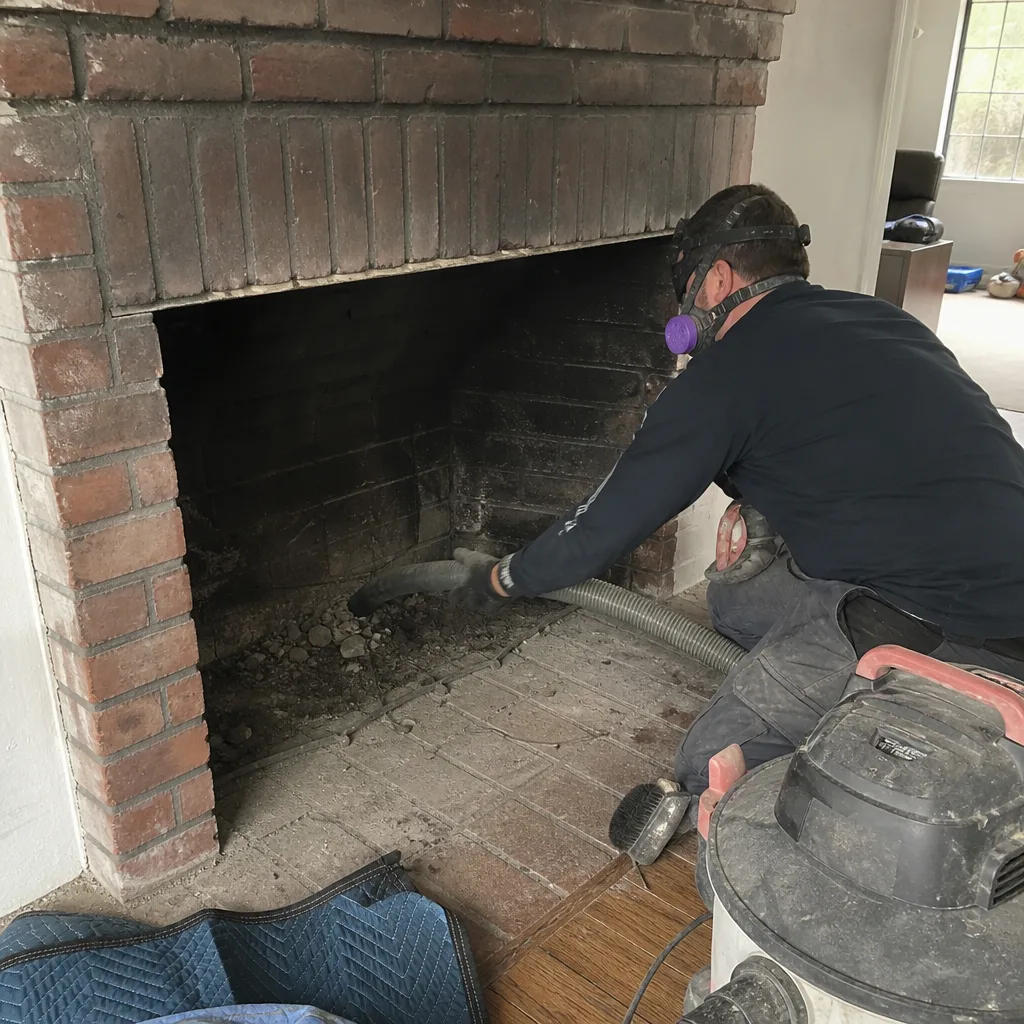 Before
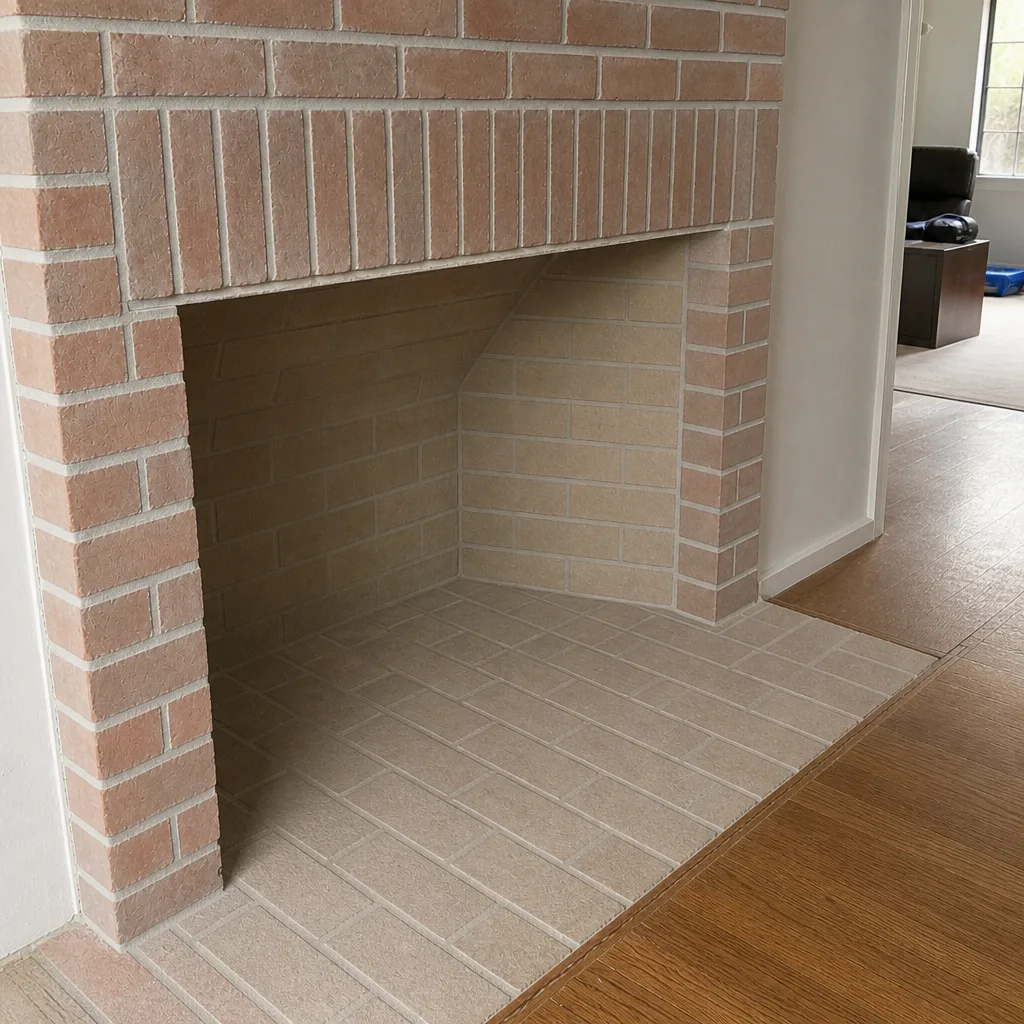 After
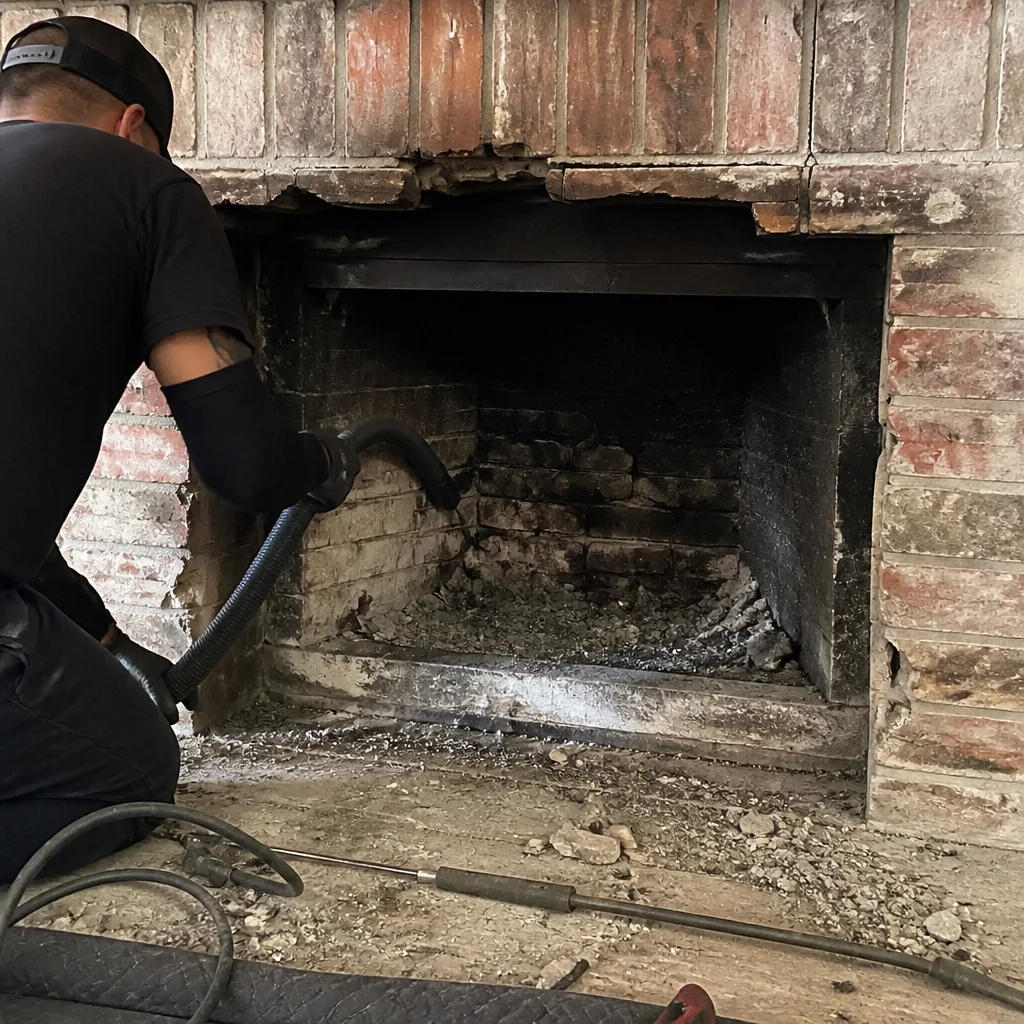 Before
 After
 Before
 After