
Last updated November 4, 2026
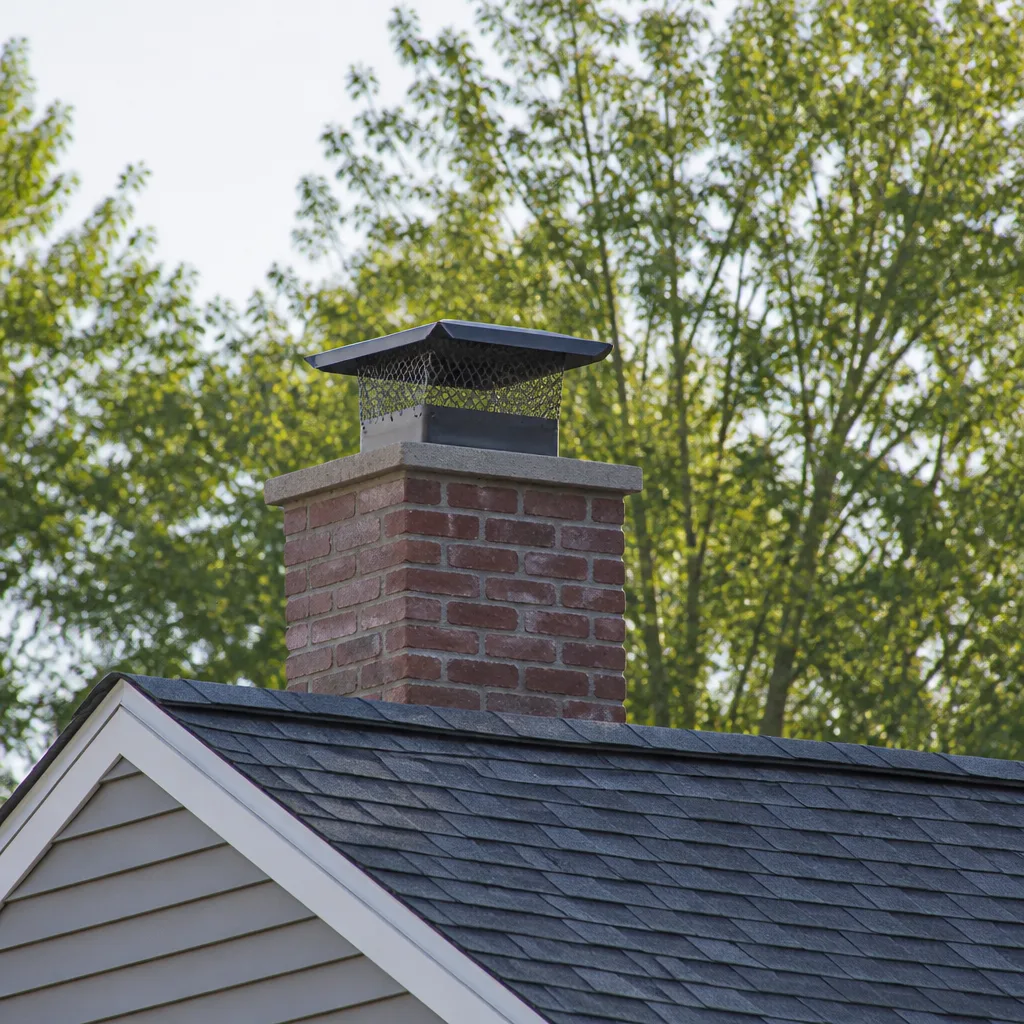 Sweep & inspection
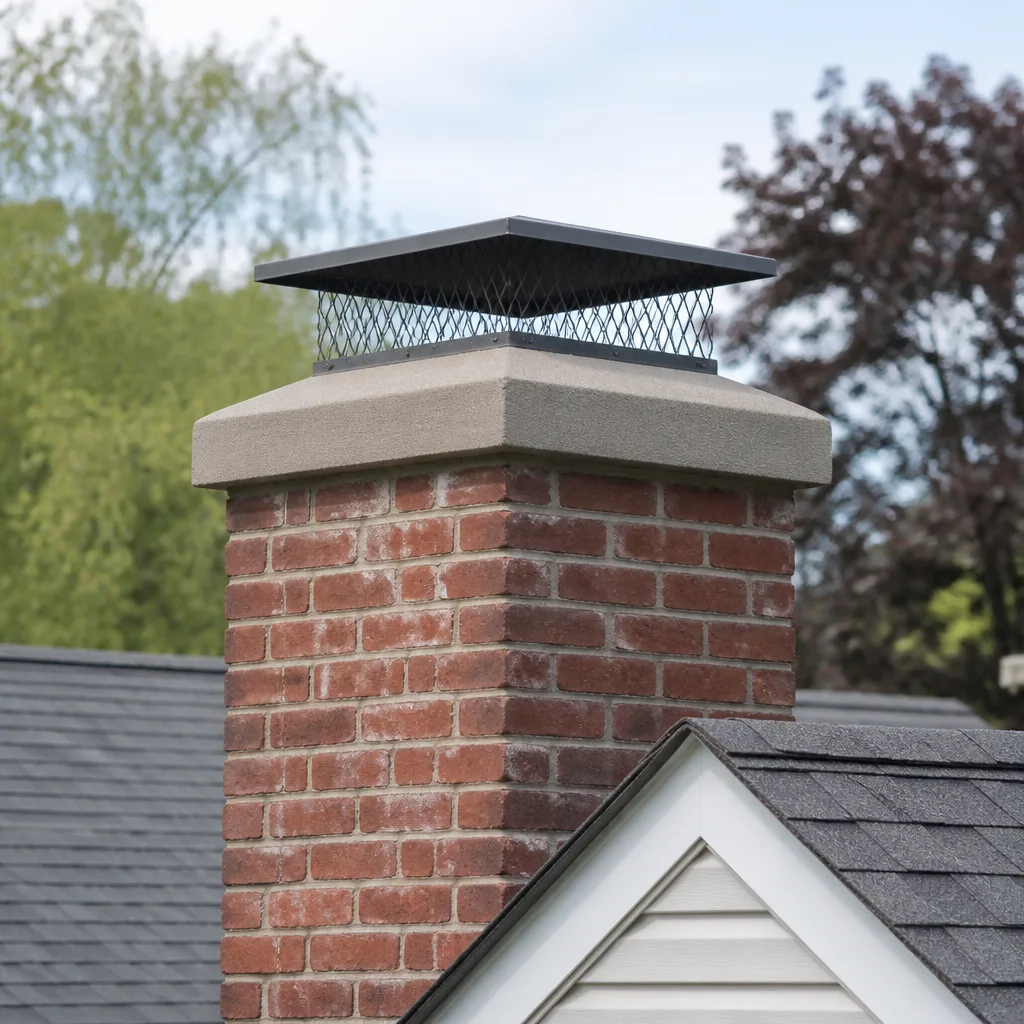 Caps & crowns
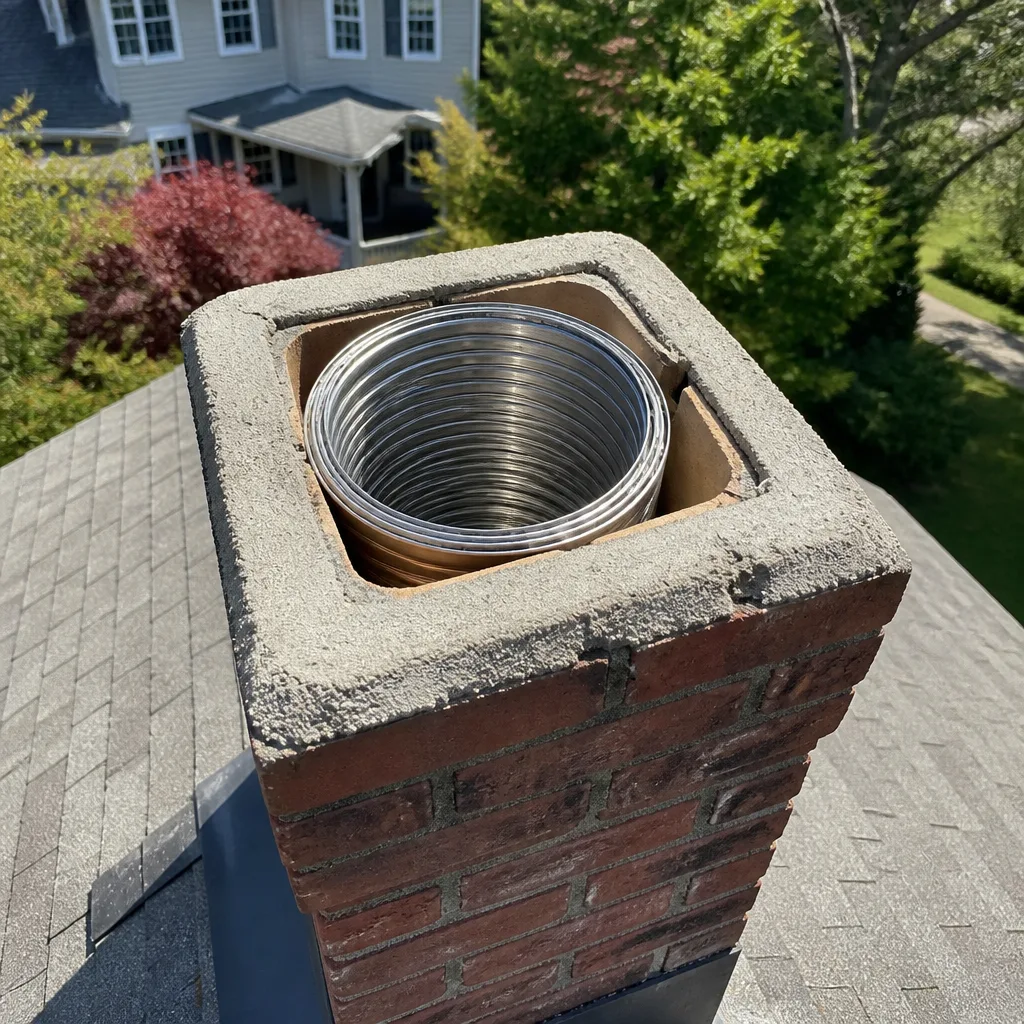 Flue relining
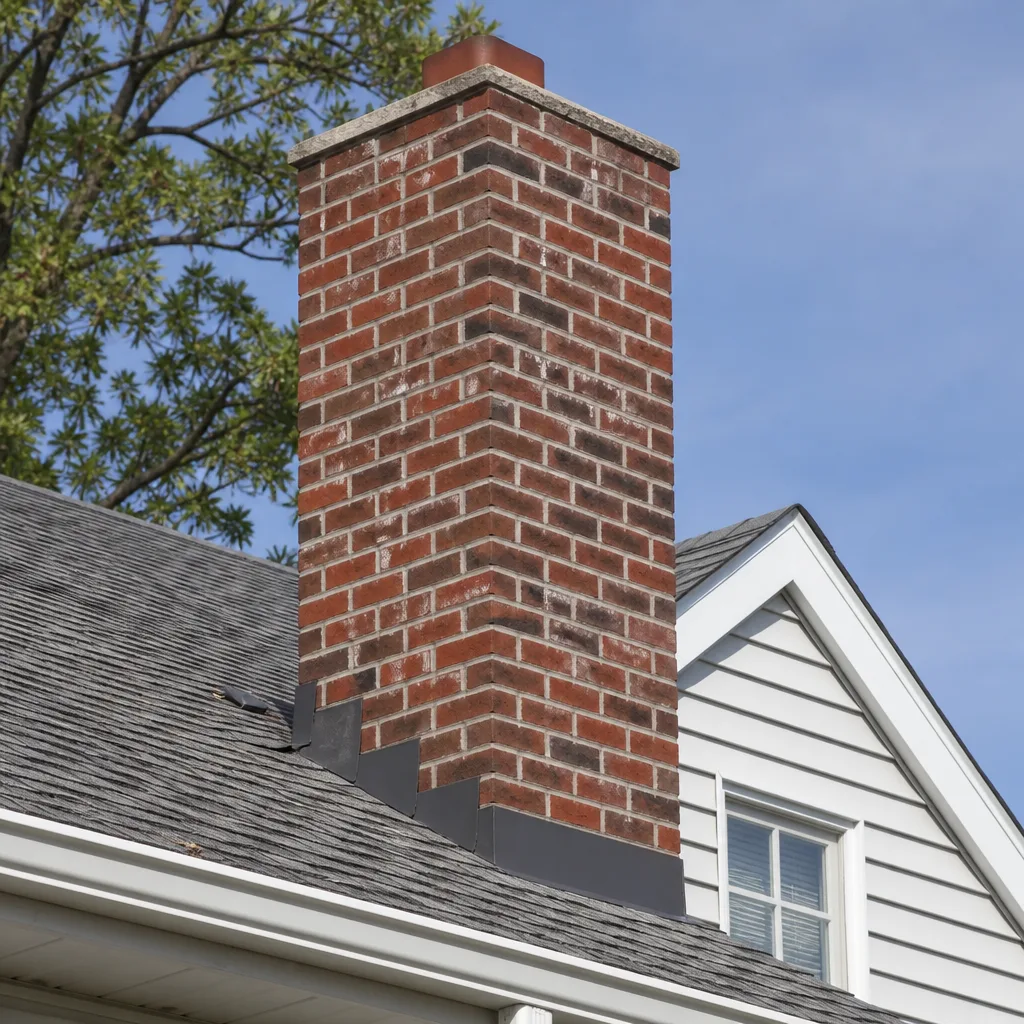 Masonry repair
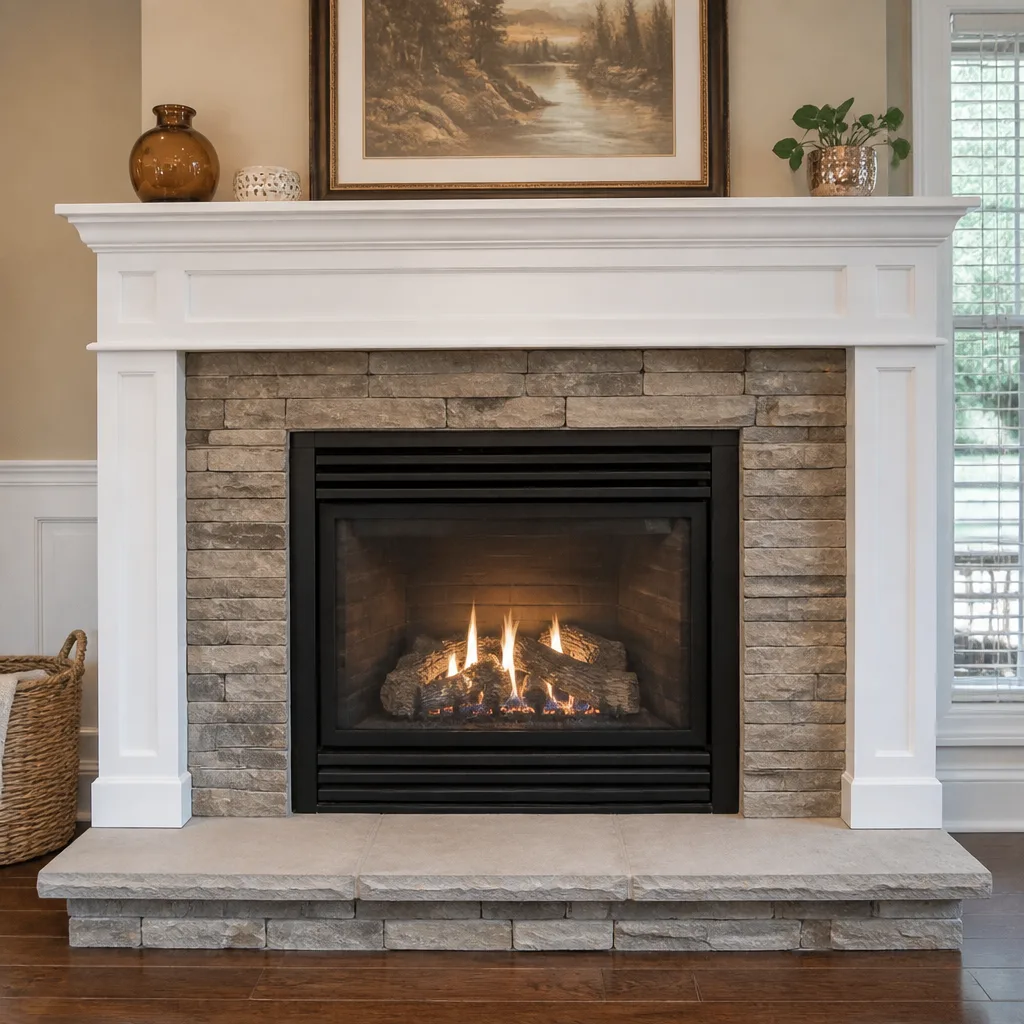 Gas fireplace service
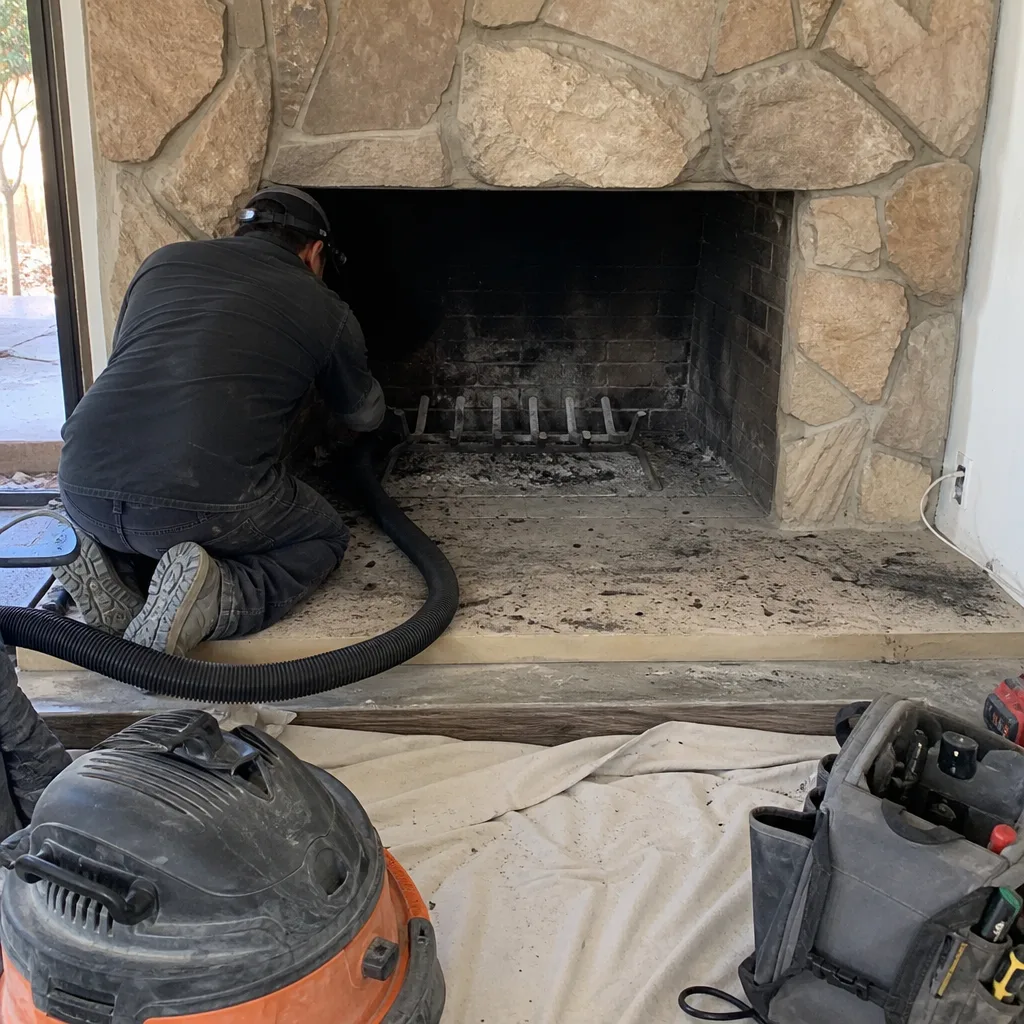
Level 1 sweep and inspection to the NFPA 211 annual standard - flue, crown, cap, and flashing checked and photographed
Chimney sweep logs do not sweep chimneys. They loosen some creosote - which then falls where a brush and vacuum still have to collect it.
Chimney Sweep Troubleshooting in San Pedro: Common Problems and How to Fix Them
If your fireplace smokes into the room every time the Santa Ana winds pick up, that’s not bad luck. It’s a pressure differential problem with a known fix, and it usually doesn’t require a full rebuild. Homeowners in San Pedro often live with chimneys that misbehave for years, assuming the quirks are just part of owning an older home. What we’ve found after working on hundreds of local fireplaces is that most of these problems have specific, diagnosable causes. This guide maps the symptoms you’re seeing to the root causes behind them, so you can stop guessing and start fixing. You’ll learn how to tell a backdraft from a downdraft, what creosote stages actually look like, why your fireplace smells in August, and when a liner issue needs a HeatShield resurfacing versus a DuraFlex reline.
Quick Answer
Most chimney problems in San Pedro boil down to four categories: airflow problems (backdraft, downdraft, negative pressure), creosote buildup, structural damage (liner cracks, mortar joint failure), and moisture or odor intrusion. Each has distinct symptoms that point to a specific fix. A trained chimney sweep can usually identify the exact cause in under an hour.
Styles & brands we work with
- Sweep & inspection
- Caps & crowns
- Flue relining
- Masonry repair
- Gas fireplace service
Table of Contents
- Backdraft vs. Downdraft: Telling Them Apart
- Why San Pedro’s Air Creates Accelerated Creosote Glazing
- Negative Air Pressure: The $0 Test Before You Spend
- Liner Cracks vs. Mortar Joint Failure
- Odor Troubleshooting by Season
- Five Fixes for Smoke Coming Into the House
- Common Mistakes to Avoid
- When to Call a Professional
- Frequently Asked Questions
Backdraft vs. Downdraft: Telling Them Apart
Smoke entering your living room is not one problem. It’s two different problems wearing the same costume. Backdraft means air is being pulled down the chimney and into the house instead of rising up and out. Downdraft means wind is pushing air down the flue from above. Both put smoke in your face, but they require different fixes, and confusing them is how homeowners end up paying for work that doesn’t solve anything.
Backdraft tends to happen when you light a fire or when a fire is already going. The house is competing with the fireplace for air. A kitchen exhaust fan running, a bathroom fan on, a furnace pulling return air, or even open windows on the leeward side of the house can reverse the chimney’s draft. The chimney becomes an intake vent instead of an exhaust vent. Smoke comes into the room low and spreads quickly.
Downdraft is almost always tied to wind conditions. In San Pedro, the Santa Ana winds are the classic trigger. Wind hits the roof, curls over the ridge, and pushes down onto the chimney opening. You’ll notice it more on gusty days, and the smoke enters the room in puffs rather than a steady stream.
How to Tell Which One You Have
- Light a small piece of newspaper and hold it near the open damper. If the smoke gets pulled up, your draft is working at that moment. If it curls back into the room, you have a draft reversal.
- Pay attention to timing. Smoke on windy days points to downdraft. Smoke when the kitchen fan is on or the windows are open points to backdraft.
- Check where the smoke enters. Low and spreading suggests backdraft. Puffs near the opening suggest downdraft.
The fixes are different too. Backdraft often responds to damper adjustments, opening a window slightly near the fireplace, or correcting ventilation issues in the home. Downdraft typically requires a cap replacement, a flue extension, or both. We source caps from Olympia Chimney and Famco for these situations because off-brand caps and covers fail early in marine air, and a failed cap is just another downdraft waiting to happen.
Why San Pedro’s Air Creates Accelerated Creosote Glazing
Creosote is the residue left behind when wood smoke cools and condenses inside the flue. Every fireplace produces it. The question is how fast it builds and what form it takes. San Pedro’s humidity and mild coastal air create a specific problem: creosote glazing develops faster here than it does in inland, drier climates. The moisture in the air keeps the flue slightly damp between fires, which causes creosote to bond more aggressively to the flue walls.
Creosote has three stages, and they matter because each requires a different approach.
Stage 1 is a dry, flaky, soot-like coating. It brushes off with a standard chimney sweep. This is what most people picture when they think of creosote.
Stage 2 is thicker and begins to resemble tar. It has a honeycomb texture and resists brushing. Mechanical scraping is usually required. This is the stage where homeowners start to notice a smell, especially on humid San Pedro evenings.
Stage 3 is glazed creosote: a hard, shiny, tar-like layer that looks almost like glass on the flue wall. It’s highly flammable and cannot be removed by brushing alone. Stage 3 creosote is what turns a small chimney fire into a structure fire. We see it most often in fireplaces that burn unseasoned wood, burn low and slow fires, or get used frequently without regular sweeps.
We use professional-grade tools designed for glazed creosote, and when the flue has advanced buildup, we’re clear with homeowners about the difference between a routine sweep and a more involved removal job. A chimney sweep should include a visual inspection of the creosote stage, not just a quick brushing.
Negative Air Pressure: The $0 Test Before You Spend
Negative air pressure is the most common cause of backdraft, and most homeowners never hear about it until they’ve already spent money on the wrong fix. Here’s how it works: your house is a sealed box. When something pulls air out of that box faster than air can come back in, the house creates a vacuum. The chimney becomes the path of least resistance for air trying to get back inside. That air comes down the chimney, carrying smoke with it.
The culprits are predictable. Kitchen exhaust hoods running at high speed. Bathroom fans. The furnace or AC pulling return air. A clothes dryer running in the same room or a nearby utility closet. Open windows on the downwind side of the house during a Santa Ana event. All of these compete with your fireplace for the same air.
You can test for negative pressure without spending a cent.
- Close all windows and exterior doors.
- Turn on the kitchen exhaust fan and any bathroom fans.
- Turn your thermostat fan setting to “on” so the HVAC blower runs continuously.
- Light a stick of incense or a small piece of paper and hold it near the top of the open fireplace opening.
- Watch where the smoke goes. If it pulls into the room instead of up the flue, you have a house pressure problem, not a chimney problem.
If that test fails, the fix may be as simple as opening a window an inch before lighting a fire, or installing a make-up air vent. If it passes and you still get smoke on windy days, you’re looking at a cap or flue height issue instead. Knowing which one saves you from buying a liner you don’t need.
Liner Cracks vs. Mortar Joint Failure
You can’t see inside your flue, so you’re relying on the knowledge of whoever inspects it. That’s why it matters to understand the difference between two problems that sound similar but require different repairs: a cracked liner and failed mortar joints.
Liner cracks are breaks or fissures in the clay tile or metal liner that runs up the inside of the chimney. They show up as vertical or horizontal cracks in the flue tile, gaps between tiles, or sections of liner that have spalled away. The performance sign is often heat escaping into the chimney structure itself rather than being contained in the flue. Liner cracks create a fire risk because the flue is no longer sealing combustion gases away from the surrounding masonry and framing.
Mortar joint failure happens when the mortar between flue tiles or masonry units erodes over time. You may see crumbling mortar in the firebox or gaps between visible bricks. Performance-wise, mortar joint issues often show up as small leaks, moisture stains, or a general looseness in the chimney structure. They can also allow combustion gases to seep into wall cavities.
The fix differs. Small mortar joint gaps in the firebox can often be repointed, which is a straightforward masonry repair. Liner cracks are a different story. When a liner is compromised, the two realistic options are a HeatShield resurfacing, which restores the existing flue with a ceramic coating, or a DuraFlex flexible liner installation, which inserts a new stainless steel liner inside the old one. HeatShield works well when the flue structure is still sound and the damage is surface-level or moderate. DuraFlex is the choice when the existing flue is offset, badly cracked, or structurally unreliable. We stock and install both, which means we can recommend based on what the camera actually shows, not what we happen to sell.
Odor Troubleshooting by Season
Chimney odors follow a seasonal pattern, and the season tells you a lot about the cause.
Summer fireplace smells are almost always creosote plus humidity. When warm, damp air settles into the chimney, it activates the creosote residue left on the flue walls. The smell is acrid, tarry, and gets worse on hot, humid San Pedro afternoons. The fix is a thorough sweeping to remove the creosote, followed by a check of the damper and cap. A loose damper lets warm exterior air circulate into the flue, worsening the smell. A properly sealed damper and a cap that allows airflow while keeping out rain and animals will reduce summer odor dramatically.
Winter cold-air smells are different. If you get a cold, musty, animal-like odor when you open the damper on a cold morning, you may have an animal intrusion: a bird, squirrel, or raccoon that used the chimney as a den during the summer. The smell is decomposition, droppings, or nesting material. The fix is a professional removal, then a proper cap installation. We install Gelco and Famco caps and terminations that are sized to the flue and built to keep animals out. Another winter smell is draft reversal, where cold air sinks down the chimney and pushes stale flue air into the room. This is a pressure issue, not a cleanliness issue, and the fix may be a damper adjustment or a top-sealing damper.
Five Fixes for Smoke Coming Into the House
When smoke enters your living space, here’s the order of operations we follow, and the one that will help you diagnose your own chimney.
- Confirm the damper is fully open. This sounds obvious, but partially open or broken dampers are behind a surprising number of smoking problems. A damper that won’t stay open or doesn’t seal properly is a simple hardware fix.
- Check for competing exhaust. Turn off kitchen and bath fans, close windows on the downwind side, and test again. If the smoke stops, you have a negative pressure problem, not a chimney defect.
- Inspect the cap and flue top. A missing, damaged, or undersized cap lets wind push directly down the flue. In San Pedro, the Santa Ana season makes this a year-round concern, not a fall-only issue. Replacing the cap with a properly sized unit from Olympia Chimney or Famco is a same-day fix in most cases.
- Check the flue height and obstruction. A flue that’s too short for the roof pitch, or one blocked by nesting material or creosote, can’t develop proper draft. A camera inspection shows exactly what’s restricting the flow.
- Address liner damage. If the flue itself is cracked, offset, or deteriorated, no cap or damper adjustment will fix the underlying problem. Depending on severity, a HeatShield resurfacing or a DuraFlex reline restores the flue’s integrity and draft performance.
Common Mistakes to Avoid
- Burning unseasoned wood to save money. Wet or green wood burns cool and smoky, which accelerates Stage 2 and Stage 3 creosote buildup in San Pedro’s humid air. Seasoned hardwoods burn hotter and leave less residue.
- Running the kitchen exhaust fan while the fireplace is lit. This creates negative pressure that pulls smoke into the room, and homeowners often blame the chimney when the fan was the problem all along.
- Ignoring a small liner crack because the fireplace still “works.” Cracks don’t self-seal. They expand with heat cycles, and the fire risk grows with every burn. Small issues caught early are cheaper to fix than full relines.
- Painting or sealing the chimney cap without checking flue sizing. A cap that’s too small or improperly installed creates turbulence and worsens downdraft, especially during Santa Ana winds.
- Skipping the annual sweep because you don’t burn much. Even light use in humid marine air produces enough creosote to smell and eventually become a hazard. One fire a month is enough to need a yearly cleaning.
- Assuming smoke means you need a new liner. We’ve seen homeowners quoted full relines for problems a $60 damper replacement would have fixed. A camera inspection gives you the real answer, and you should be able to see the evidence for yourself.
When to Call a Professional
Some chimney problems are safe to investigate on your own, like the negative pressure test or checking the damper. Others aren’t. If you see glazed, shiny creosote on the flue walls, if you’ve had a chimney fire, if you smell gas, or if your liner is visibly cracked or missing sections, stop using the fireplace and call a professional. The same goes for any animal intrusion, which involves droppings and nesting material that carry health risks. And if you’re not sure what you’re looking at, the camera doesn’t lie: a proper inspection shows you the flue’s condition in real time. Chimney Sweep San Pedro offers free estimates in San Pedro. Call (833) 576-1522. We answer 24/7. Fast dispatch from 7am to 7pm, Sunday through Friday.
Frequently Asked Questions
A standard cleaning and inspection in San Pedro typically runs a few hundred dollars, with the final price set by a written estimate after we see the flue’s condition. Creosote removal at Stage 2 or Stage 3 costs more because it takes longer and requires different tools. Call (833) 576-1522 for an exact quote. Estimates are free.
Not every liner problem requires a full reline. Surface-level damage can often be addressed with a HeatShield ceramic resurfacing, which restores the existing flue without tearing it out. Structural cracks or offset flues usually require a DuraFlex flexible liner insert. The right call depends on what a camera inspection shows, and you should be able to see the evidence before approving any work.
Once a year, even with light use. San Pedro’s humid air causes creosote to bond faster than it does inland, so annual cleaning prevents Stage 2 and Stage 3 buildup before it becomes a removal job. Homes that burn frequently or burn unseasoned wood may need a mid-season check.
Creosote accumulates in stages, and once it reaches Stage 3 glaze, it becomes a significant fire risk. One chimney fire can crack the liner and damage the mortar structure, turning a routine cleaning into a multi-thousand-dollar repair. Skipping a sweep is not a neutral decision; it’s deferred maintenance with compounding costs.
Summer heat and humidity activate creosote residue left on the flue walls from the previous burning season. The damp air carries the acrid smell into the house, especially if the damper doesn’t seal tightly. A thorough sweep plus a damper check usually solves it. Call (833) 576-1522 to schedule.
Yes. Wind-induced downdraft is typically a cap or flue height problem, and both are fixable. We install properly sized caps from Famco and Olympia Chimney that break up the wind pattern and prevent air from pushing down the flue. If the flue is too short, an extension may be the better fix. A visual and camera inspection tells us which.
We do. Dryer vent cleaning addresses the same fire-safety risks in your laundry room that a chimney sweep addresses in your fireplace. Lint buildup ignites easily, and clogged vents force dryers to work harder. It’s part of the same full-ventilation-system approach we take with every home.
The Bottom Line
Most chimney problems in San Pedro have specific, knowable causes. Smoke entering the room is either a backdraft from pressure competition or a downdraft from wind, and each has a different fix. Creosote buildup accelerates in this climate, making annual sweeps more important than homeowners often realize. Liner damage falls into repair or reline territory depending on what the camera shows, and HeatShield and DuraFlex each have their place. Odors follow seasonal patterns that point directly to their source. You don’t need to guess, and you don’t need to live with a fireplace that misbehaves. Call (833) 576-1522 for a free estimate. We answer 24/7. Fast dispatch from 7am to 7pm, Sunday through Friday.
Written by the team at Chimney Sweep San Pedro, serving San Pedro since 2016.
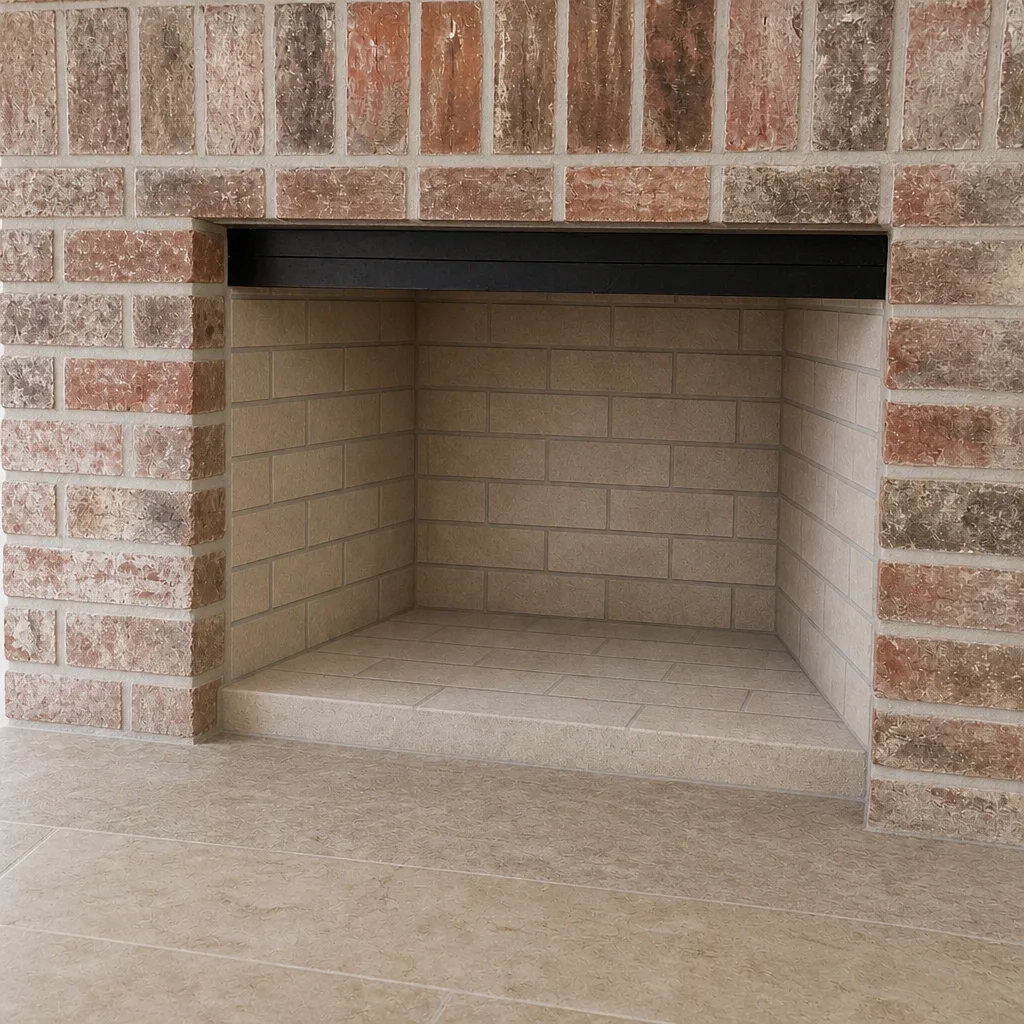
See the difference
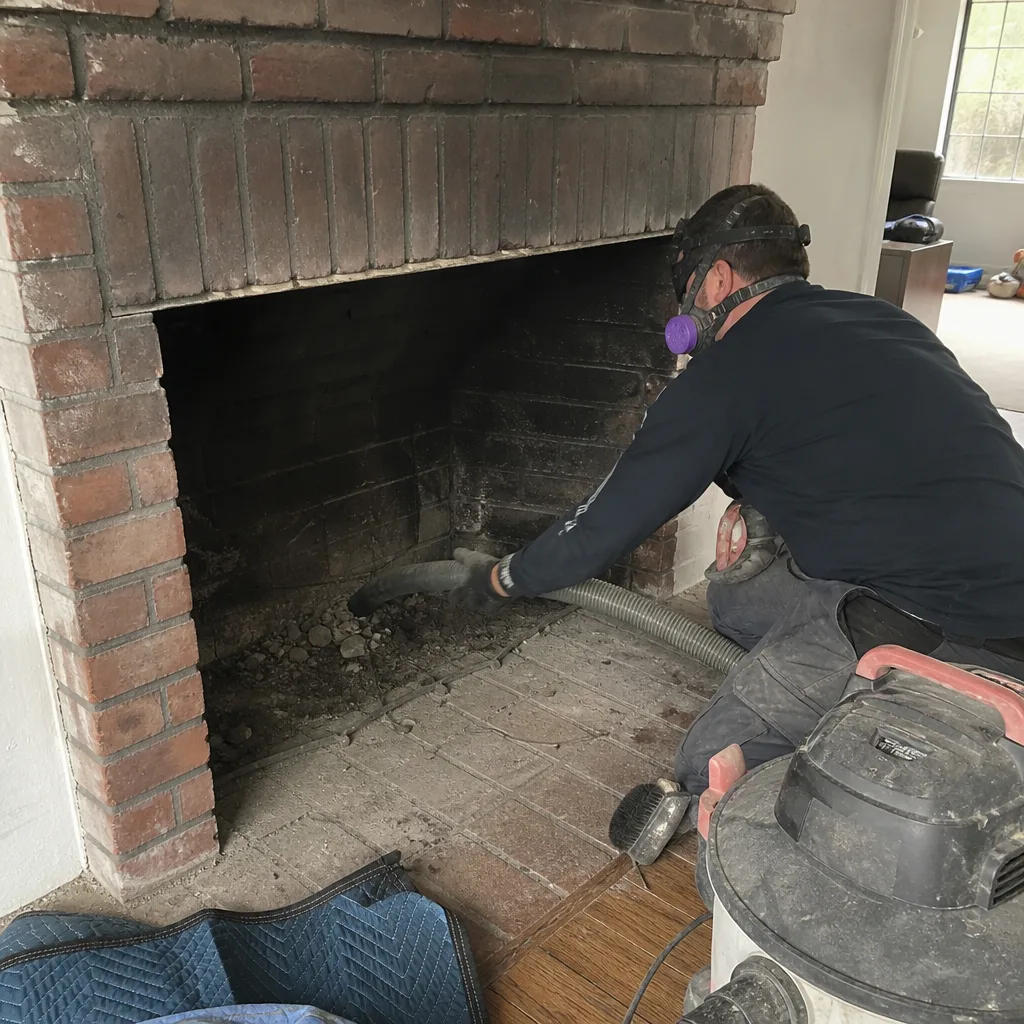 Before
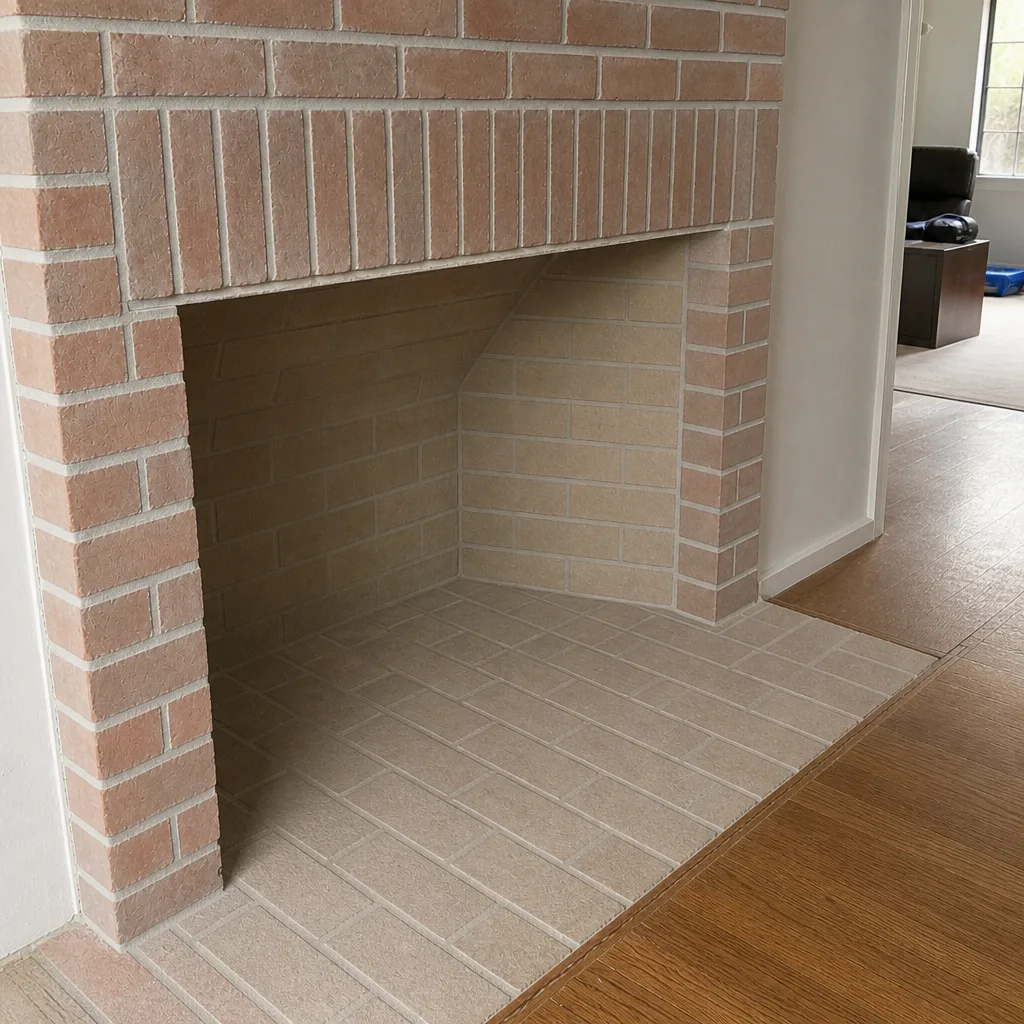 After
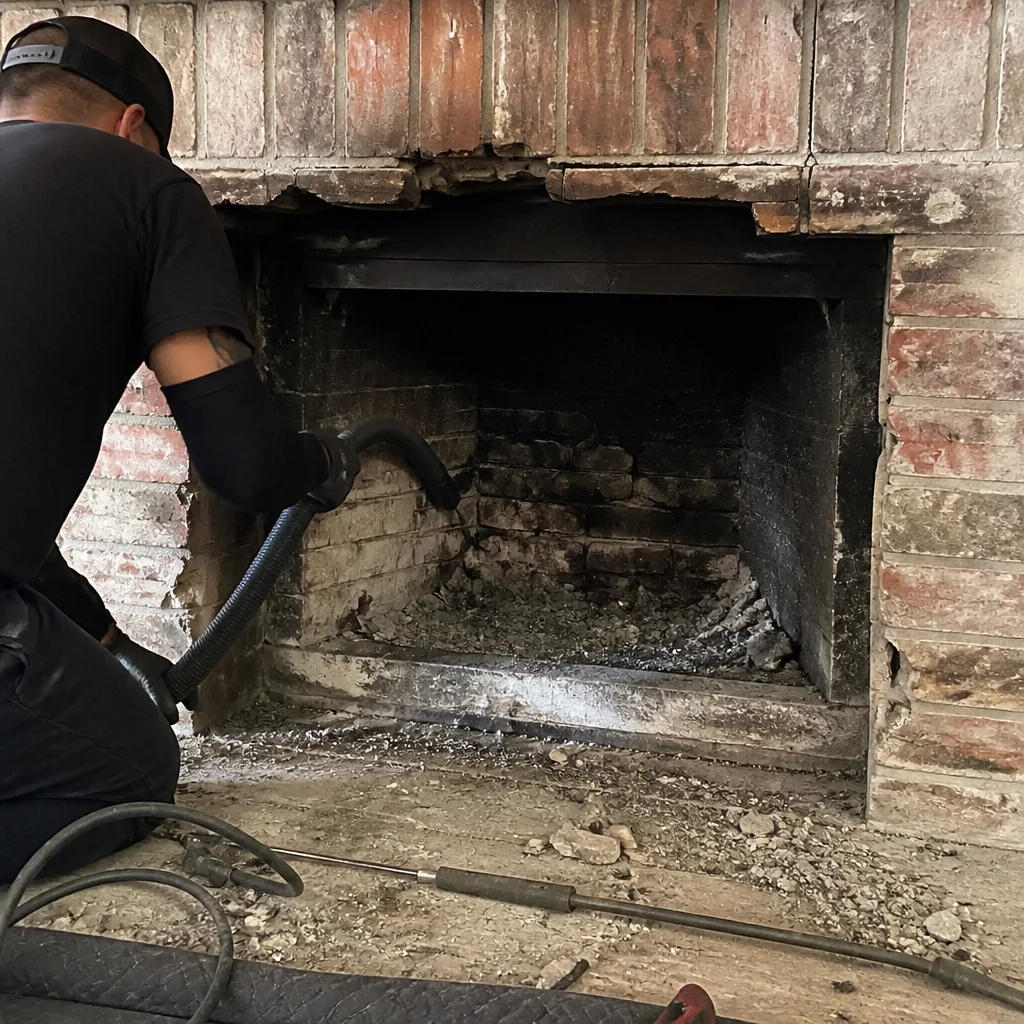 Before
 After
 Before
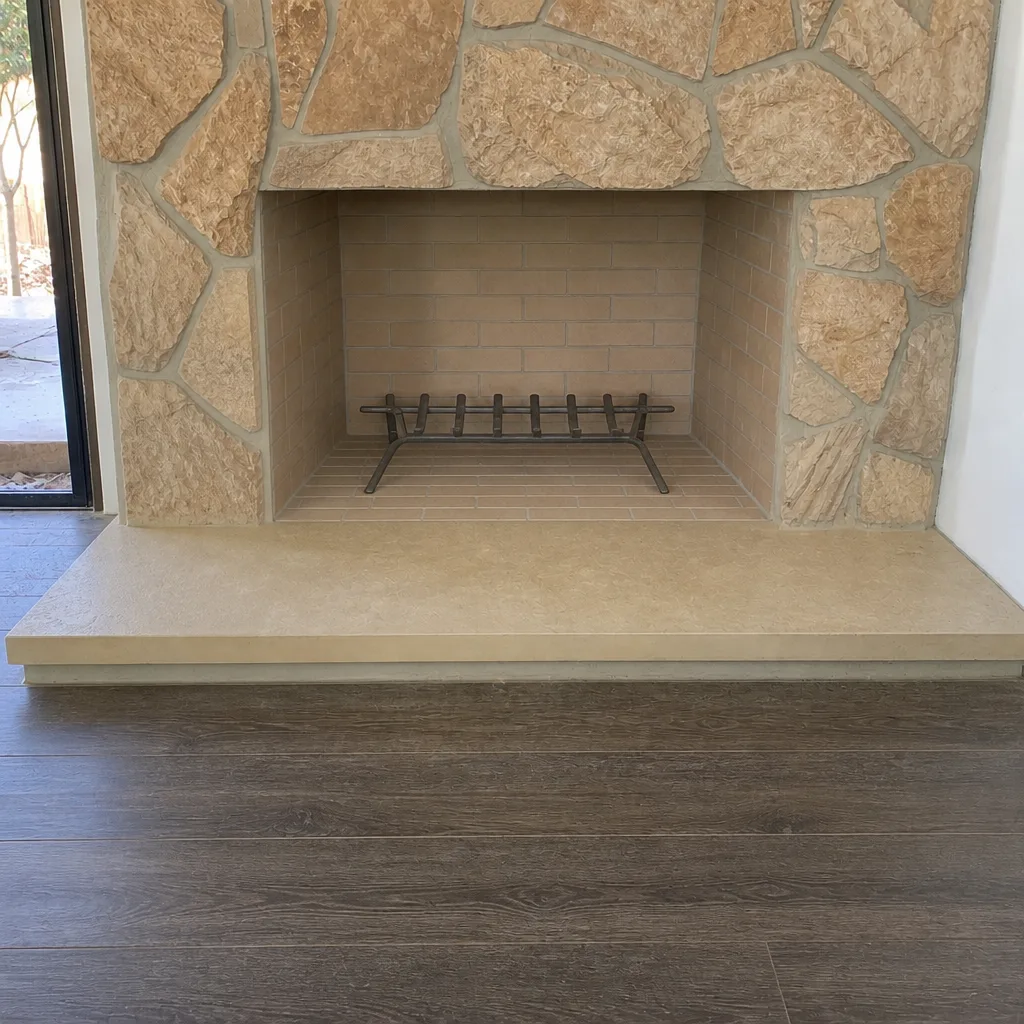 After