
Last updated November 4, 2026
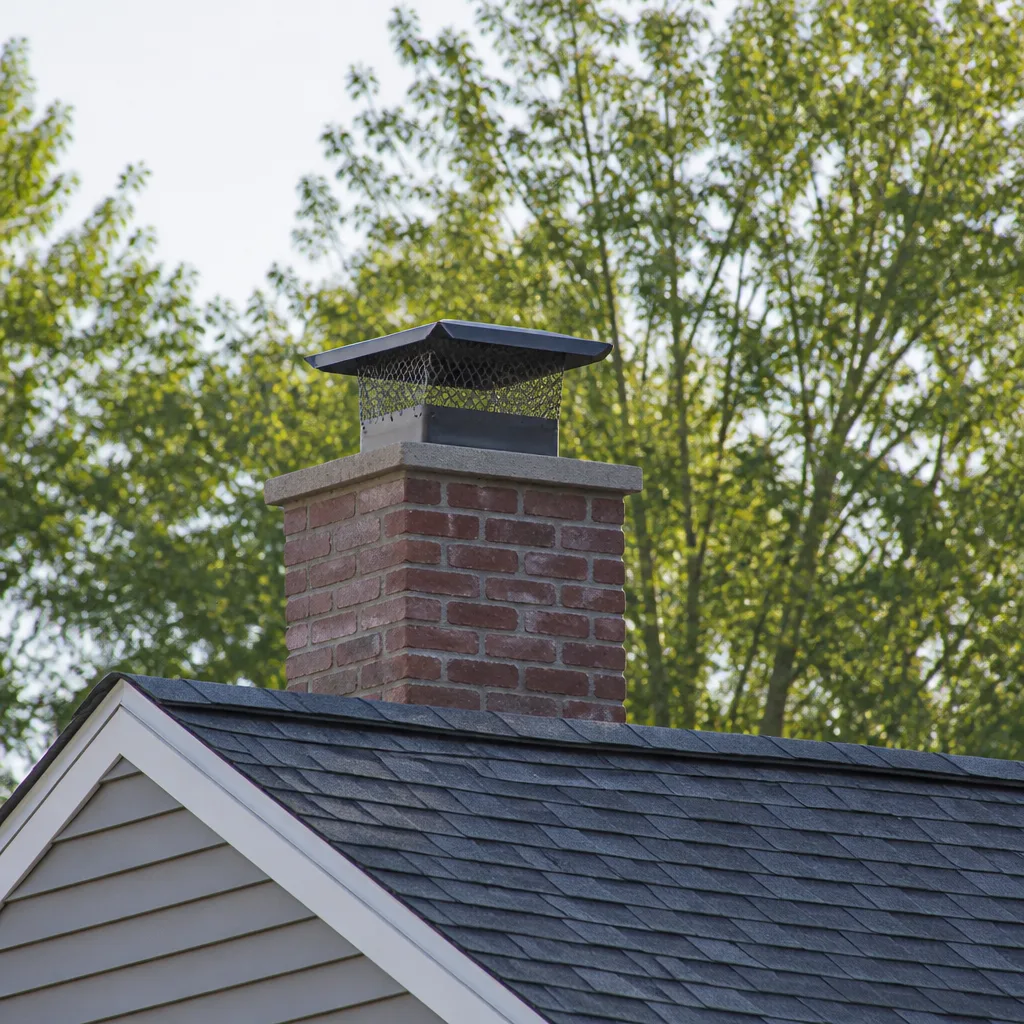 Sweep & inspection
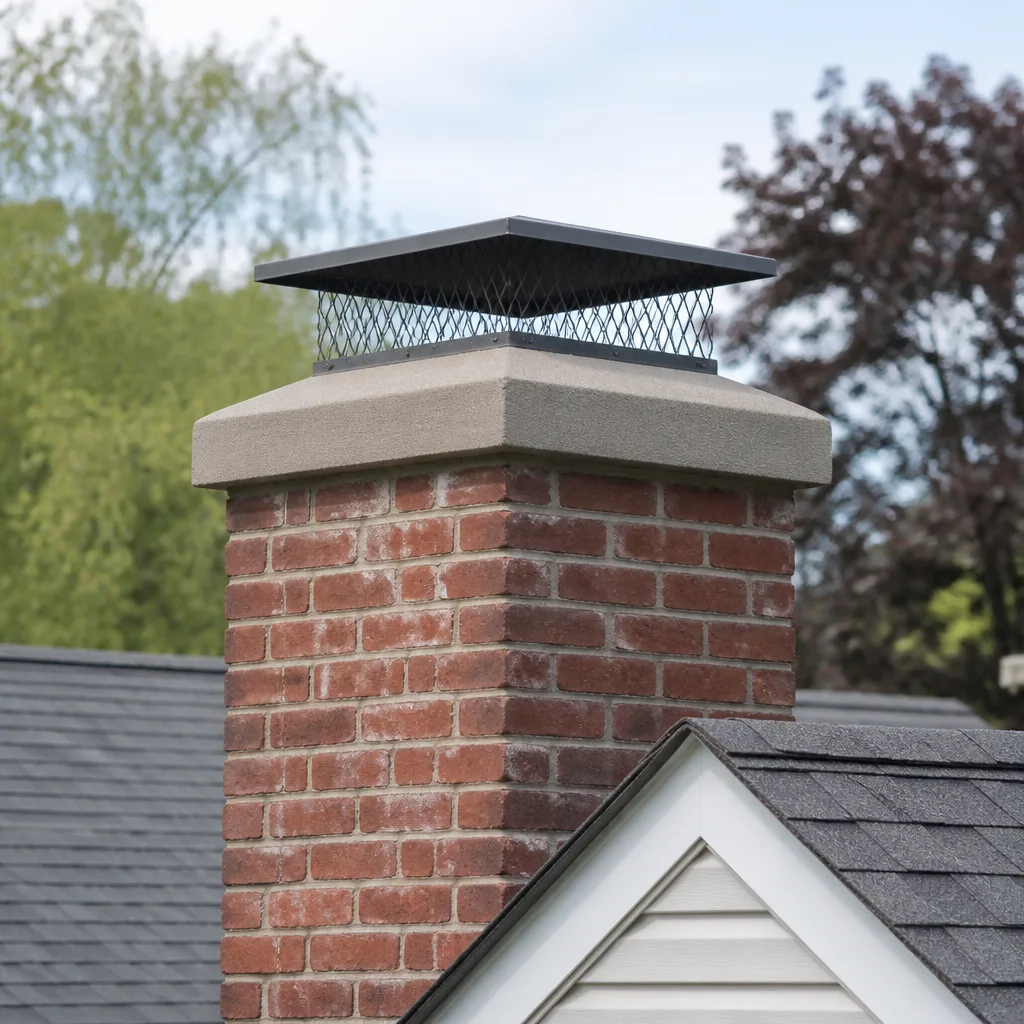 Caps & crowns
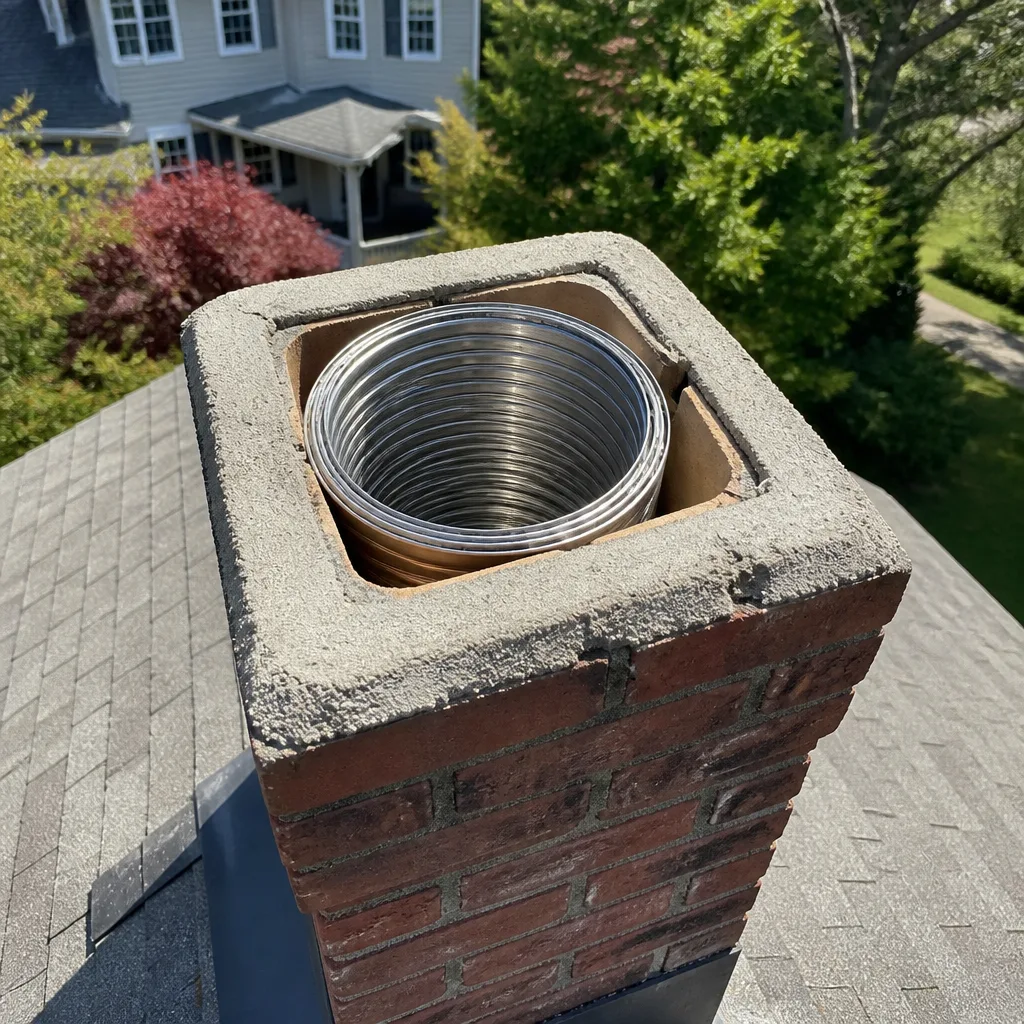 Flue relining
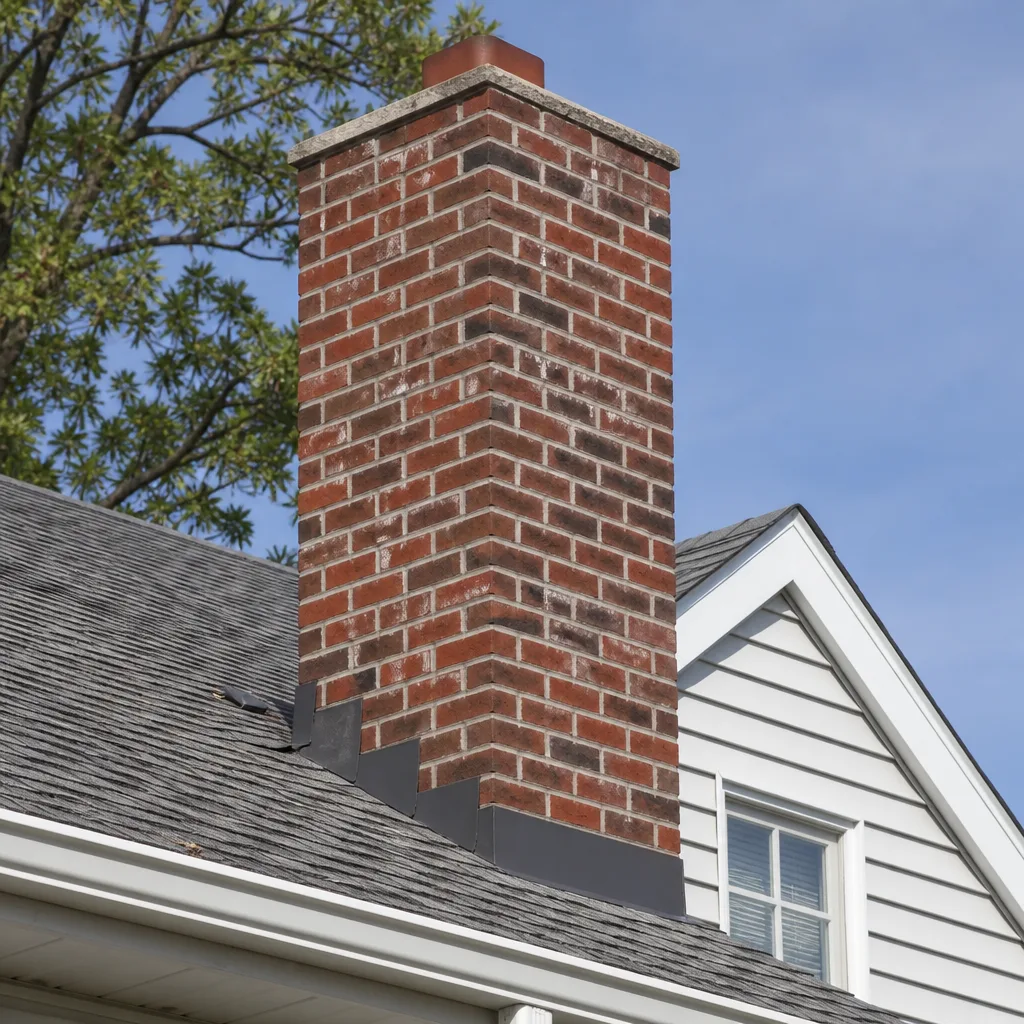 Masonry repair
 Gas fireplace service
Level 1 sweep and inspection to the NFPA 211 annual standard - flue, crown, cap, and flashing checked and photographed
Chimney sweep logs do not sweep chimneys. They loosen some creosote - which then falls where a brush and vacuum still have to collect it.
DIY vs Professional Chimney Cleaning: The San Pedro Homeowner’s Decision Guide
You can buy a chimney brush kit online for about $40 and clean a straight flue yourself. What you cannot do with that kit is evaluate whether the flue is safe to use at all, and that inspection is the reason most professionals get hired in the first place. This guide walks through what DIY chimney cleaning can realistically accomplish, what it consistently misses, the equipment gap between consumer tools and professional rotary systems, and a straight decision framework for San Pedro homeowners. By the end, you will know exactly when a Saturday afternoon project makes sense and when it puts your home at risk.
Styles & brands we work with
- Sweep & inspection
- Caps & crowns
- Flue relining
- Masonry repair
- Gas fireplace service
Quick Answer
DIY chimney cleaning is reasonable for light Stage 1 creosote in a straight, accessible flue that has been professionally inspected within the last year. Professional cleaning is the right call when you have not had an inspection, when the fireplace burns frequently, when you see glossy or tar-like creosote, or when the home is older and the flue has offsets you cannot see. In San Pedro, most homes fall into the professional category because of flue geometry, seasonal burning patterns, and the simple fact that the inspection matters more than the brushing.
Table of Contents
- What DIY Chimney Cleaning Can Realistically Accomplish
- What DIY Consistently Misses
- The Equipment Gap: Consumer Brushes vs. Professional Rotary Systems
- Why Flue Geometry Matters in Older San Pedro Homes
- Liability and Insurance: What Happens When You DIY
- The Decision Framework: Three Scenarios Where DIY Is Fine, Three Where It Is Not
- What a Professional Inspection Costs vs. the Risk of Skipping It
- Common Mistakes to Avoid
- When to Call a Professional
- Frequently Asked Questions
- The Bottom Line
What DIY Chimney Cleaning Can Realistically Accomplish
Let us be straight with you: we are a chimney sweep company, and we still think there is a narrow set of conditions where DIY cleaning is defensible. The key word is narrow. A homeowner with the right brush kit, a drop cloth, a ladder they are comfortable on, and a flue that meets specific criteria can remove light creosote buildup without calling us. Here is what that actually looks like.
Stage 1 creosote is the dry, flaky, sooty deposit that forms during normal wood burning. It brushes off relatively easily with a wire or poly brush sized correctly for the flue. If your fireplace was professionally inspected within the last year, the inspector found no cracks or structural issues, and you have burned only seasoned wood since then, the flue probably has only Stage 1 deposits. A straight flue with no offsets, meaning the chimney runs directly from the firebox to the cap without bends, is the only geometry where a consumer brush kit works predictably.
Here is what DIY can genuinely accomplish under those conditions:
- Remove loose Stage 1 creosote from the accessible portions of a straight flue
- Clear the firebox of ash and small debris before the burning season starts
- Visually confirm the damper opens and closes without binding
- Check the cap from the ground to see if it is visibly missing or damaged
- Document the condition with photos so you have a baseline for comparison
That is the full list. If your situation fits every item on it, DIY is a reasonable maintenance step between professional visits. The problem, and we see this constantly in San Pedro homes, is that very few fireplaces actually meet these conditions. The homes here are older, the flues frequently have offsets, and the last professional inspection often happened years ago or never happened at all.
What DIY Consistently Misses
Cleaning is the easy part. Evaluating is the hard part, and that is where DIY efforts fall short in ways that actually matter for safety. A brush removes what you can see. It does not reveal what is hiding in the places you cannot see, and those hidden conditions are what cause chimney fires and water damage.
Liner cracks. Clay tile liners crack over time. Hairline cracks are invisible from the firebox and from the top unless you know exactly what to look for and have the right lighting. A cracked liner allows heat and combustion gases to reach the surrounding masonry and framing. This is a fire hazard, and no amount of brushing fixes it. Professionals use a Chimney Sweep San Pedro inspection checklist that includes running a camera through the flue to document liner condition top to bottom.
Stage 2 and Stage 3 creosote. Stage 2 is the flaky, shiny, tar-like deposit that forms when burning is not hot enough or the flue is too cold. Stage 3 is the glossy, glass-like glazing that forms when Stage 2 deposits bake and concentrate. Neither responds to a consumer brush. Both require rotary cleaning tools with carbide or wire heads that spin at high speed to break the glaze free. In our experience, homeowners who have burned unseasoned wood or who use the fireplace as a primary heat source in a San Pedro winter often have Stage 2 deposits in the smoke chamber even when the visible flue looks fine.
Smoke chamber and offset geometry. The smoke chamber is the angled area above the firebox where smoke gathers before entering the flue. It is almost impossible to clean thoroughly from the firebox with consumer tools. The same applies to offsets, the bends in the flue where the chimney changes direction to route around framing or rooflines. Brushes skip over the inner surfaces of these bends. Creosote accumulates there precisely because the geometry interrupts airflow and cools the smoke.
Flashing, cap, and crown condition. None of these are visible from inside the house. Flashing is the metal seal where the chimney meets the roofline, and a failed flashing lets water into the roof deck. The crown is the concrete cap on top of the chimney, and cracks in it let water into the masonry. The chimney cap itself keeps rain, animals, and debris out. A DIY weekend does not get you onto the roof to inspect these properly, and they are the source of most water intrusion problems we repair.
The Equipment Gap: Consumer Brushes vs. Professional Rotary Systems
This is the part most DIY guides gloss over. A $40 brush kit and a professional rotary cleaning system are not doing the same job more or less efficiently. They are doing different jobs, and the difference matters in older homes.
A consumer brush kit consists of a brush head sized to your flue diameter, a set of flexible rods, and a drill attachment or hand crank. You push the brush through the flue from the top or bottom, scrubbing as it goes. This works for light, loose Stage 1 deposits on straight runs. It does not work well on bends, it cannot remove glazed creosote, and it does not provide any inspection data.
A professional rotary cleaning system uses a spinning head driven by a high-torque drill or a dedicated rotary machine. The heads come in different configurations: poly for light deposits, wire for Stage 2, and carbide for Stage 3 glazing. The spinning action generates the friction needed to break bonded creosote free, and the flexible drive shaft follows the contours of offsets and smoke chamber curves. It is the same principle as a drain auger versus a hand snake: the spinning tool does what the manual tool cannot.
Why does this matter in San Pedro specifically? Because the housing stock here is older. Many chimneys in the area were built decades ago, before modern liner standards, and many have been retrofitted or repaired over the years. A flue that has been relined may have a different internal diameter than the original masonry. A flue that has been partially repaired may have surface irregularities that catch a consumer brush. The geometry is simply less predictable in an older home, and that is exactly the situation where a rotary system with a camera confirms that the cleaning reached every surface.
The inspection gap is even bigger. Our cleaning process includes a camera run through the flue before and after, so the homeowner sees on a screen exactly what the flue looks like and what was removed. A consumer brush kit gives you none of that. You know what came out on the brush, but you do not know what is still in there, and you do not know whether the surface you scraped is sound.
Why Flue Geometry Matters in Older San Pedro Homes
San Pedro’s housing stock skews older than the Los Angeles County median in many neighborhoods. That is not a climatological fact; it is a construction fact. Older homes have older chimneys, and older chimneys have geometry that modern builders avoid. Offsets were common when chimneys were routed around structural members without the benefit of modern CAD layout. Smoke chambers were built to older proportions that do not always match modern liner sizes. And the cumulative effect of decades of heating and cooling cycles means the masonry itself is not the same shape it was when it was built.
None of this is visible from the hearth. A homeowner looking up the flue sees a dark vertical passage and assumes it is a straight, uniform tube. It often is not. The offset where the flue angles to clear a beam, the corbelling in the smoke chamber where the masonry steps inward, the slight sag in a liner joint: these are the places creosote concentrates, and they are the places a consumer brush skips over. This is why we run a camera before we recommend any cleaning or repair work. In San Pedro, we have seen flues that looked fine from the top and bottom but had significant Stage 2 buildup in an offset that was only visible on camera.
The practical takeaway is this: if your home was built before about 1980 and the chimney has never been relined, assume the geometry is not as simple as it looks. That assumption alone should push most homeowners toward professional cleaning, because the risk of missing a bend is simply too high to leave to a $40 brush kit. For older homes where the liner is damaged, we install DuraFlex flexible liner systems, which accommodate offsets and irregular geometry far better than rigid clay tile repairs. The liner follows the existing flue path while providing a continuous, insulated passage. That is a repair path, not a cleaning path, but it matters here because the same geometry that makes cleaning difficult also makes liner repair more complex than a simple tile swap.
Liability and Insurance: What Happens When You DIY
Here is the section most DIY chimney guides skip entirely, and it is one of the most important for homeowners to understand. Your homeowner’s insurance policy covers fire damage under specific conditions. One of those conditions is that you maintained the home to a reasonable standard. Chimney fires are almost always caused by creosote buildup, and creosote buildup is caused by burning wood, which means it is a maintenance issue, not an act of God.
If you have a chimney fire and the insurance company investigates, the adjuster will ask for documentation of professional chimney maintenance. If you do not have it, the claim can be denied or reduced on the grounds of negligence. You doing the cleaning yourself does not help. In fact, it can hurt, because the insurer may argue that an untrained homeowner is not a credible source of “maintenance” documentation. The brush kit receipt does not prove the flue was safe. A professional cleaning report with before and after camera images does.
What if a professional inspected the chimney and said it needed repair, and you deferred the repair and kept burning? That is an even stronger negligence argument for the insurer. What matters is not just that you cleaned it, but that you can prove a qualified person evaluated it and documented its condition. We are not lawyers and this is not legal advice, but the pattern in the industry is consistent: carriers want professional documentation of chimney safety, and DIY work does not satisfy that requirement. The cost of a professional cleaning looks very small next to the risk of an uncovered fire claim.
There is also a liability angle if you sell the home. Some buyers and their inspectors ask for chimney maintenance records. A binder of professional cleaning reports from a San Pedro company signals that the chimney was maintained. A blank history or a collection of Amazon receipts does not carry the same weight. This is a secondary concern, but it reinforces the same point: professional maintenance is documentation, and documentation matters.
The Decision Framework: Three Scenarios Where DIY Is Fine, Three Where It Is Not
Most advice on this topic is either “never DIY” or “DIY is easy and saves money.” Both are wrong. The honest answer is that the decision depends on a small set of knowable conditions. Here is the framework we use with homeowners in San Pedro.
Three scenarios where DIY is fine:
- Recent professional inspection, light use. You had the chimney professionally cleaned and inspected within the last 12 months. The inspector documented a sound liner, no offsets, and no structural issues. Since then, you have burned only seasoned wood and the fireplace gets occasional use, not daily heating. A consumer brush kit can remove the light Stage 1 buildup between professional visits.
- Straight flue, new cap, simple setup. The chimney is a straight run with no bends, the cap is intact and recent, and the firebox is accessible. You are comfortable on a ladder or can clean from the bottom with a soot trap in place. The job is genuinely simple, and you are treating it as maintenance, not inspection.
- You are doing it between scheduled professional visits. You already have a relationship with a professional sweep and are on an annual schedule. DIY brushing a few times during the burning season is extra maintenance, not a replacement for the annual professional service. This is the most defensible DIY scenario because the professional inspection still happens on schedule.
Three scenarios where DIY is genuinely risky:
- No recent professional inspection. You do not know the liner condition, you do not know the geometry, and you have no documentation. Brushing without knowing what you are brushing toward is how cracks get missed and how chimney fires get set up.
- Glossy or sticky creosote visible. This is Stage 2 or Stage 3, and a consumer brush will not remove it. The harder you scrub with the wrong tool, the more likely you are to damage the liner surface or push deposits deeper into offsets. This requires rotary cleaning and possibly chemical treatment.
- Older home with an unlined or partially lined flue. San Pedro homes built before modern standards may have unlined masonry or flues with gaps, cracks, or partial liner damage. Brushing these surfaces can dislodge loose masonry and make the problem worse. The flue needs evaluation before it gets brushing.
The pattern across all six scenarios is the same: DIY is appropriate as maintenance between professional visits, never as a replacement for them. The professional inspection is the thing you are actually paying for. The cleaning is almost secondary.
What a Professional Inspection Costs vs. the Risk of Skipping It
Let us put actual numbers on this. A professional chimney sweep in the San Pedro area typically includes the cleaning and inspection as one service, not two separate line items. The range varies depending on the company, the flue type, and the level of creosote present. Most cleaning-and-inspection visits in this market run somewhere in the $200 to $400 range for a standard single-flue wood-burning fireplace. A camera inspection may be included or billed as an add-on depending on the company. The exact price is set per job by a written estimate after the sweep sees the flue condition.
Compare that to the downside risk. A chimney fire can cost tens of thousands of dollars in structural repairs, and that is before you get into the insurance claim question. A cracked liner that goes undetected can allow heat to reach framing for months before it becomes visible. Water intrusion from a failed flashing or crown, which a cleaning-and-inspection visit would catch, can rot roof decking and require mold remediation. None of those costs are in the same universe as the cost of a professional visit.
The other thing San Pedro homeowners should factor in is the cost of deferring. We see two common patterns. The first is the homeowner who says “we never use the fireplace” and skips maintenance for years. Then the kids want fires at Christmas, and the first burn fills the house with smoke because the damper is stuck and the flue is coated. The second pattern is the homeowner who burns frequently but waits until the creosote is heavy enough to smell. By then, the cleaning is more expensive because it takes rotary work, and sometimes the liner has already been damaged by a small fire the homeowner never even noticed.
We also offer dryer vent cleaning as part of our ventilation safety work, and the same logic applies there. A clogged dryer vent is a fire hazard that builds up slowly and invisibly until it does not. The inspection is the point. The cleaning is the service.
Common Mistakes to Avoid
- Using a wire brush on a stainless steel liner. Stainless liners scratch easily, and scratches create crevices where creosote grabs. A poly brush or a professional rotary system is the right tool. The wrong brush can turn a maintainable liner into one that needs replacement sooner.
- Cleaning without a drop cloth and dust control plan. Creosote dust is fine, black, and gets everywhere. Without proper sealing of the firebox opening and a vacuum with a HEPA filter, the cleaning creates a soot problem throughout the house that takes longer to clean up than the chimney did.
- Assuming the flue is straight because the chimney looks straight from outside. The exterior chase tells you almost nothing about the interior flue path. Many chimneys in San Pedro have offsets that are only visible from the inside. A camera inspection is the only way to know for sure.
- Waiting until you can smell creosote to schedule a cleaning. The smell means the buildup is heavy enough to be off-gassing into the living space. By that point, the creosote is likely Stage 2 or higher, and the cleaning will require more work than a routine sweep.
- Brushing a flue you have not had inspected. If the liner has cracks or loose mortar joints, brushing can dislodge chunks of clay or masonry and worsen the damage. A professional inspection before cleaning is the correct sequence.
- Skipping the cap and crown check because you do not want to get on the roof. The cap and crown are the first line of defense against water and animals. A damaged crown lets water into the masonry, and a missing cap lets rain, leaves, and birds in. These are cheap to fix when caught early and expensive when ignored.
- Treating a cleaning as a full inspection. Cleaning removes deposits. Inspection evaluates safety. A clean flue can still have a cracked liner, failed flashing, or a deteriorating crown. The two services are not interchangeable.
When to Call a Professional
Call a professional chimney sweep if the fireplace has not been inspected in the last year, if you see dark glossy buildup inside the flue, if the chimney smells even when it is not in use, if the home is older and the flue has never been camera-inspected, or if you have any doubt about the condition of the liner. Also call if you have had animals in the chimney, if the cap is missing or damaged, or if you notice water stains on the ceiling or walls near the chimney. These are not cleaning issues. They are safety and structural issues that need evaluation. Chimney Sweep San Pedro offers free estimates in San Pedro. Call (833) 576-1522. We answer 24/7. Fast dispatch from 7am to 7pm, Sunday through Friday.
Frequently Asked Questions
A professional cleaning and inspection in San Pedro typically costs between $200 and $400 for a standard single-flue wood-burning fireplace, with the exact price set per job by a written estimate after the sweep sees the flue condition. Camera inspection may be included or billed separately depending on the company. Call (833) 576-1522 for an exact quote. Estimates are free.
Yes, if the flue is genuinely straight, the system was professionally inspected within the last year, and only light Stage 1 creosote is present. The key threshold is the recent professional inspection. Without it, you are brushing a flue you cannot verify is safe. A consumer brush kit cannot evaluate liner condition, and that evaluation is the most important part of chimney maintenance.
A DIY brush scrubs the accessible surfaces of a straight flue with manual or drill-driven friction. A professional rotary system uses spinning heads with poly, wire, or carbide bristles to break loose Stage 2 and Stage 3 creosote from bends, offsets, and smoke chambers, with a camera run to document the result before and after. The rotary system reaches what a brush skips.
The standard recommendation is an annual cleaning and inspection before the burning season starts. In San Pedro, where fireplaces are used heavily in the cooler months but often sit unused all summer, the annual schedule is especially important because creosote that sits for months can harden and become more difficult to remove. A professional can confirm whether a longer interval is safe for a lightly used fireplace.
DIY cleaning does not automatically void your insurance, but it can make a fire claim harder to support. If the insurer investigates and finds no professional maintenance documentation, it may argue the homeowner failed to maintain the chimney properly. Professional cleaning reports with camera documentation are the strongest evidence of proper upkeep. A brush kit receipt is not.
Creosote accumulates in layers. Light Stage 1 deposits become sticky Stage 2, then glazed Stage 3. Glazed creosote is fuel, and a hot fire can ignite it. The resulting chimney fire can crack the liner, damage the masonry, and spread to surrounding framing. Even without a fire, skipped maintenance means cracked liners, failed flashing, and deteriorating crowns go undetected, which leads to water damage and expensive repairs. Call (833) 576-1522 for an inspection and cleaning. We answer 24/7. Fast dispatch from 7am to 7pm, Sunday through Friday.
The Bottom Line
DIY chimney cleaning is not irresponsible in the right circumstances: a straight flue, a recent professional inspection, light Stage 1 creosote, and a homeowner who treats the work as maintenance between scheduled professional visits. What DIY cannot do is evaluate whether the chimney is safe, and that evaluation is the entire point. In San Pedro, where older homes and offset flues are common, the inspection is the service that matters most. A professional cleaning with camera documentation protects your home, supports your insurance position, and costs less than the repairs that follow from skipped maintenance. Call (833) 576-1522 for a free estimate. We answer 24/7. Fast dispatch from 7am to 7pm, Sunday through Friday.
Written by the team at Chimney Sweep San Pedro, serving San Pedro since 2016.
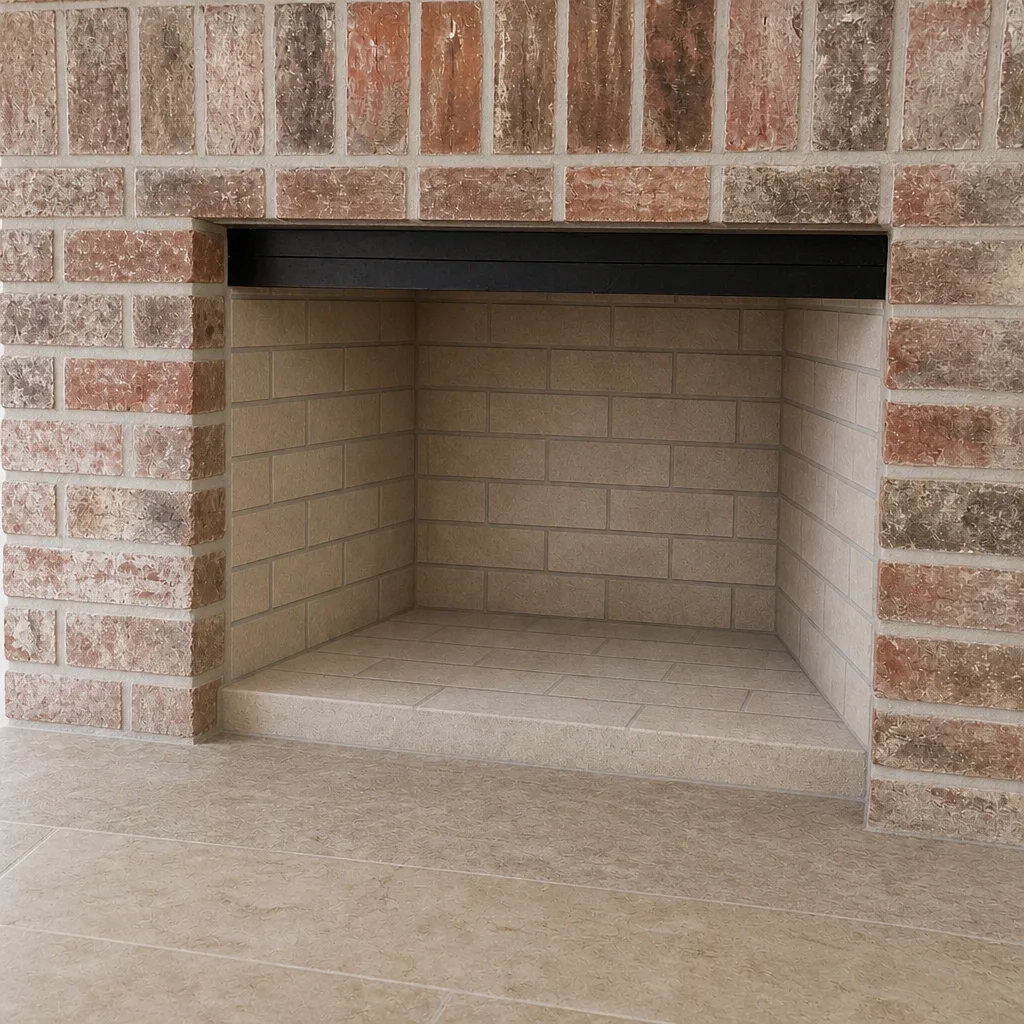
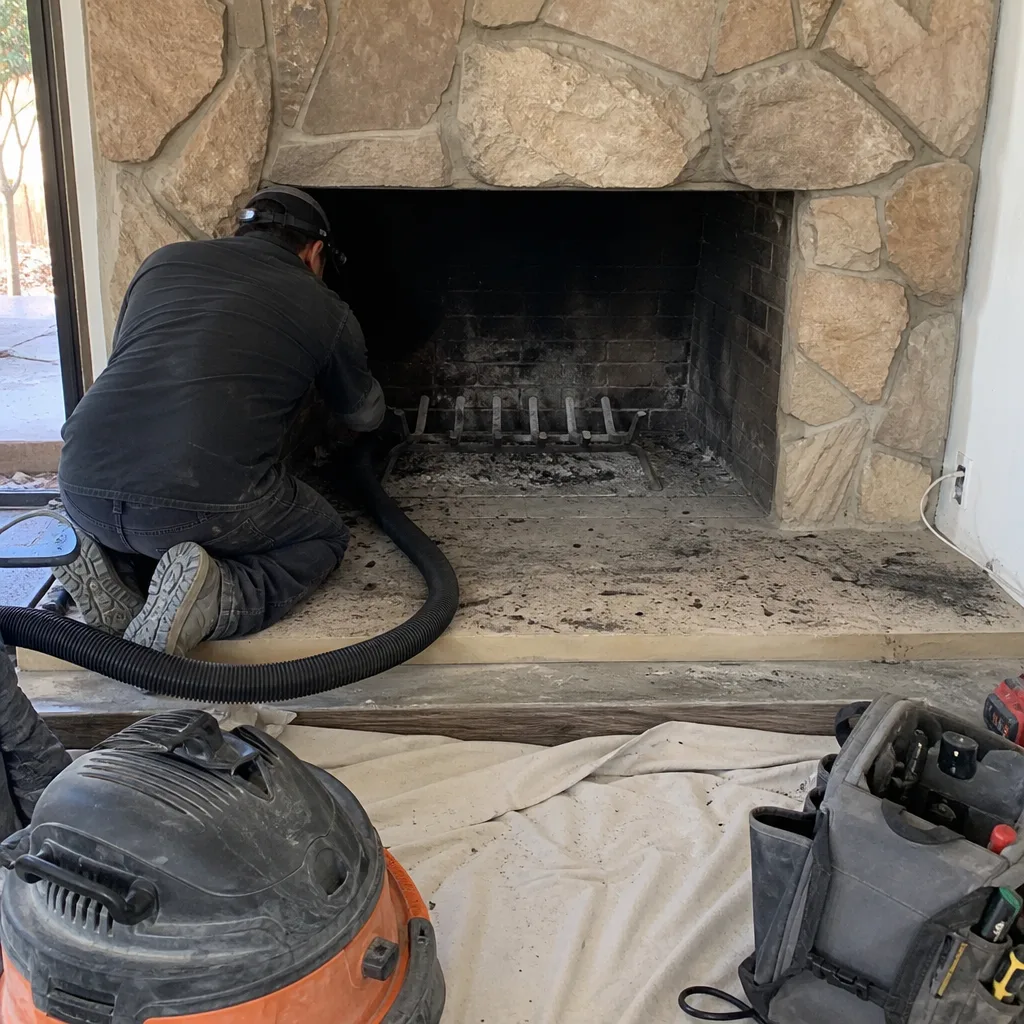
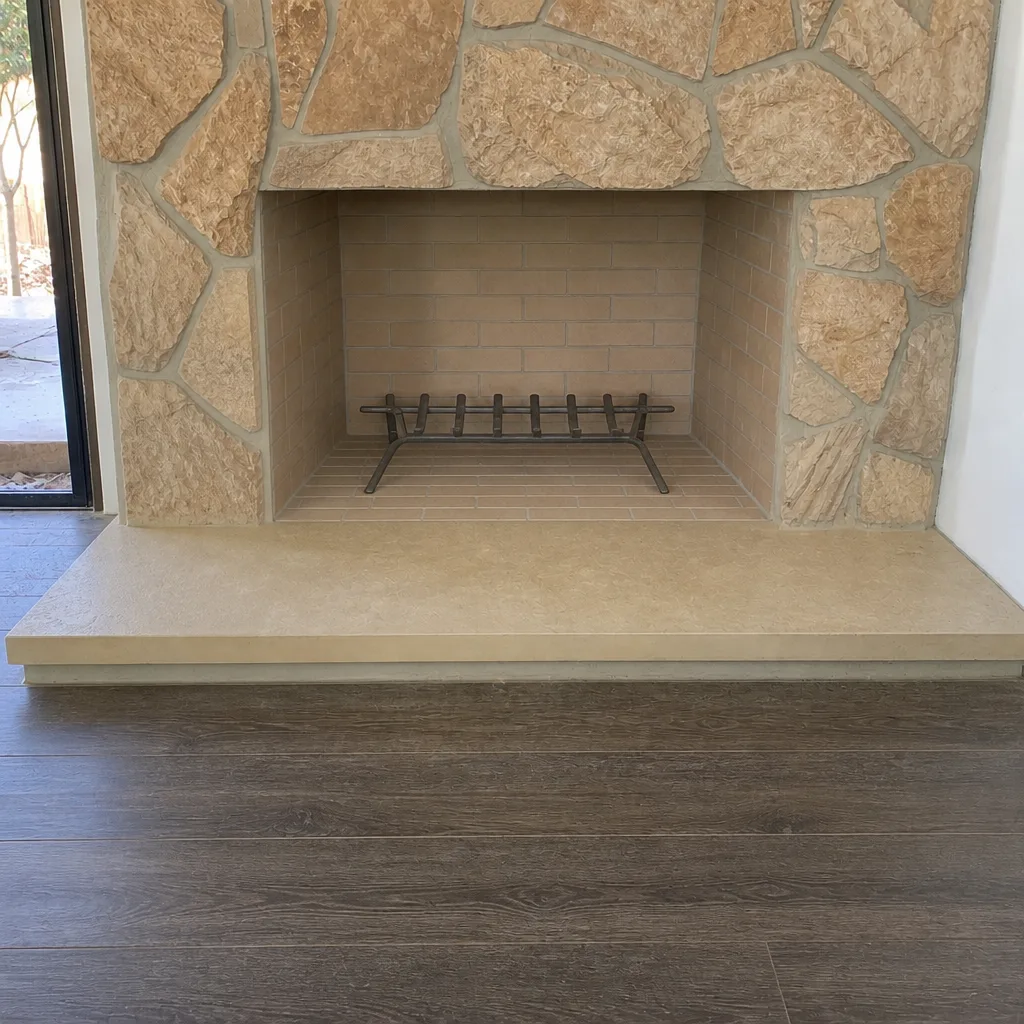
See the difference
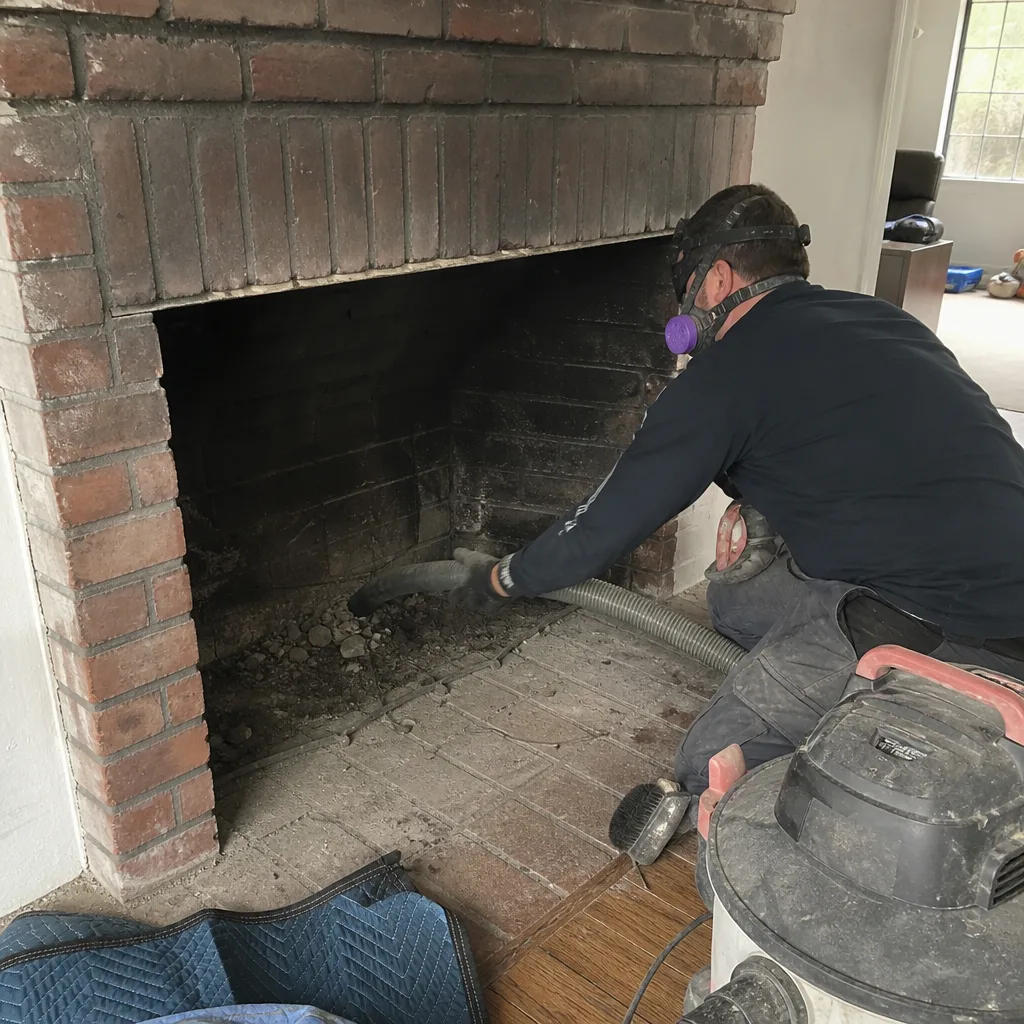 Before
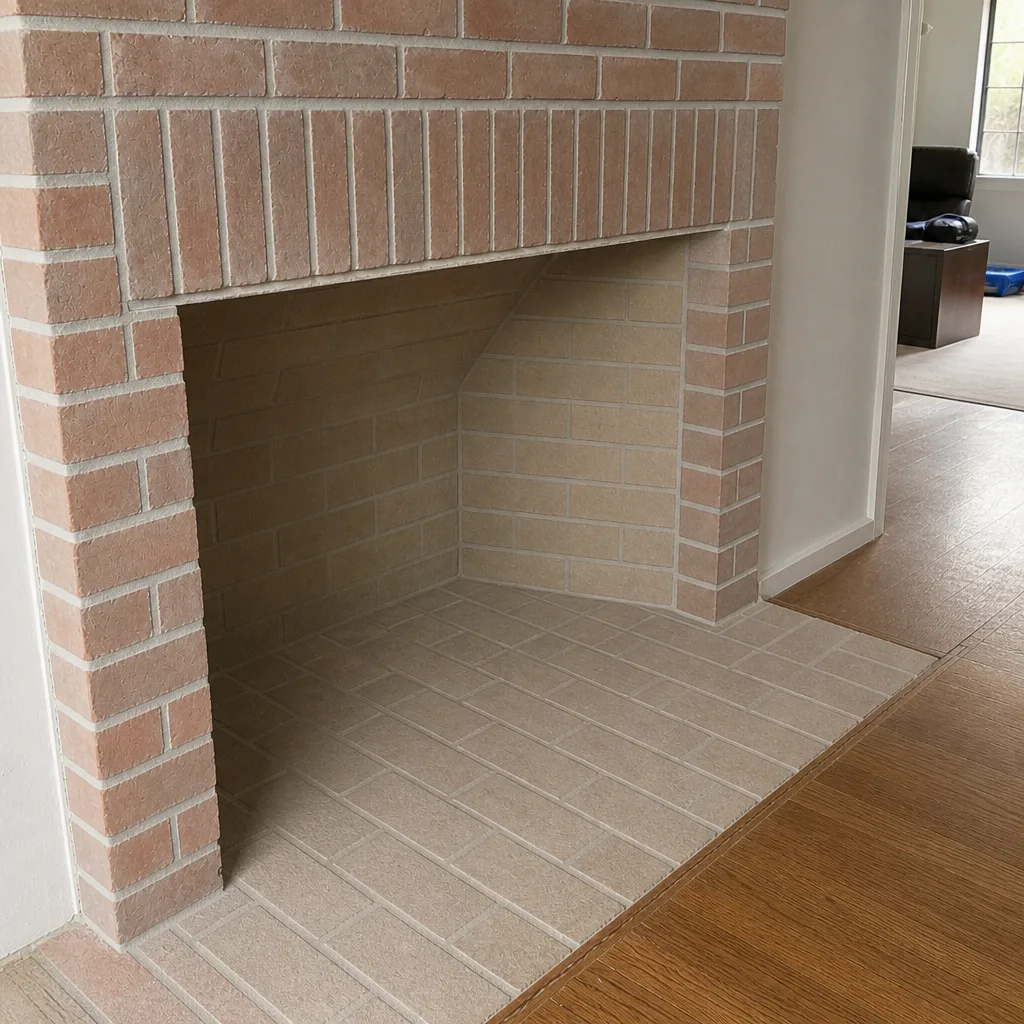 After
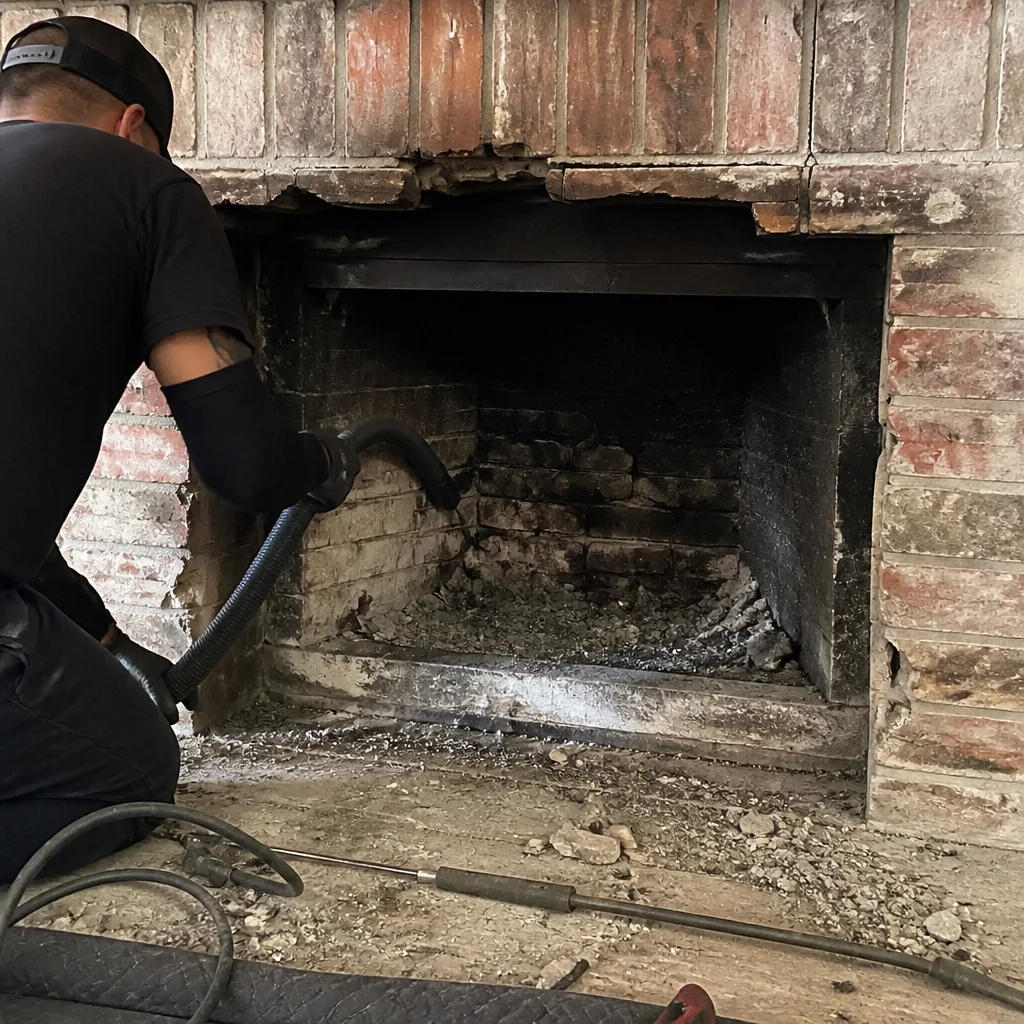 Before
 After
 Before
 After