
Last updated November 4, 2026
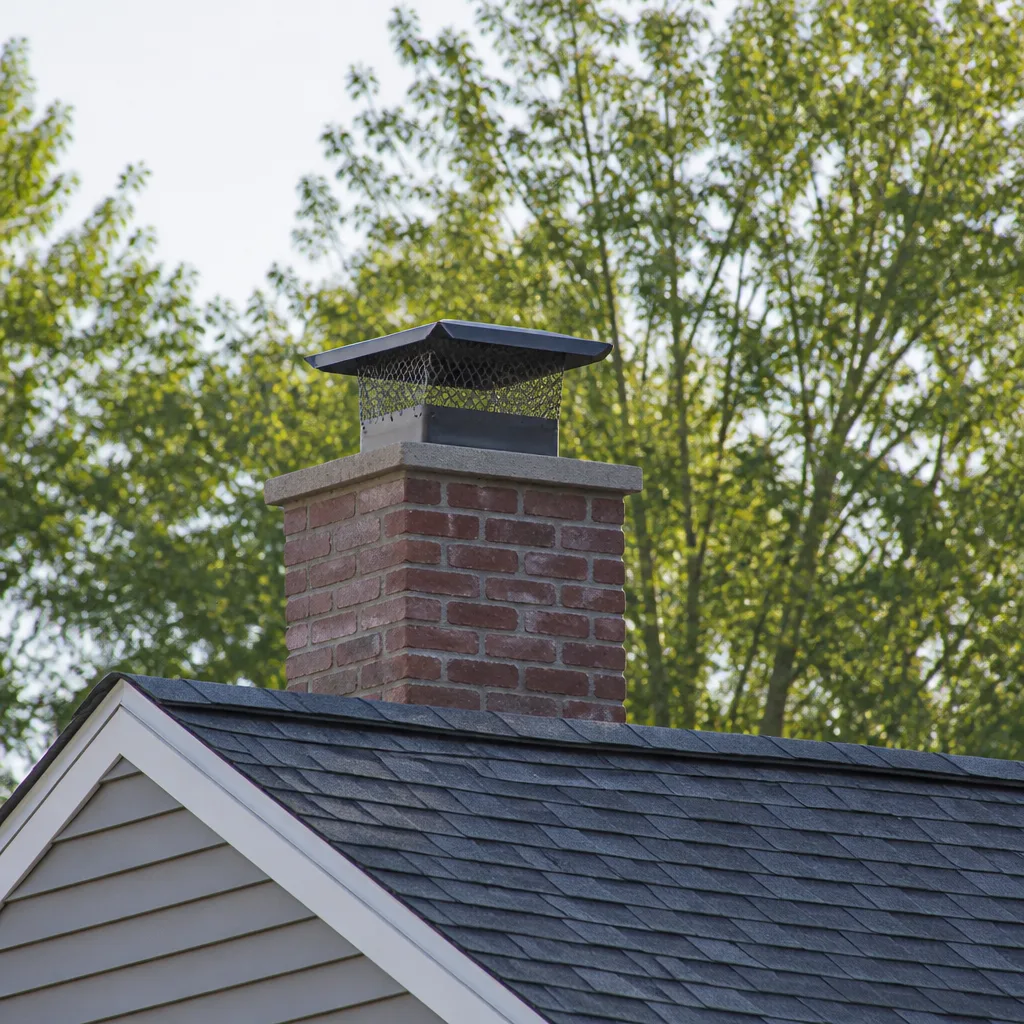 Sweep & inspection
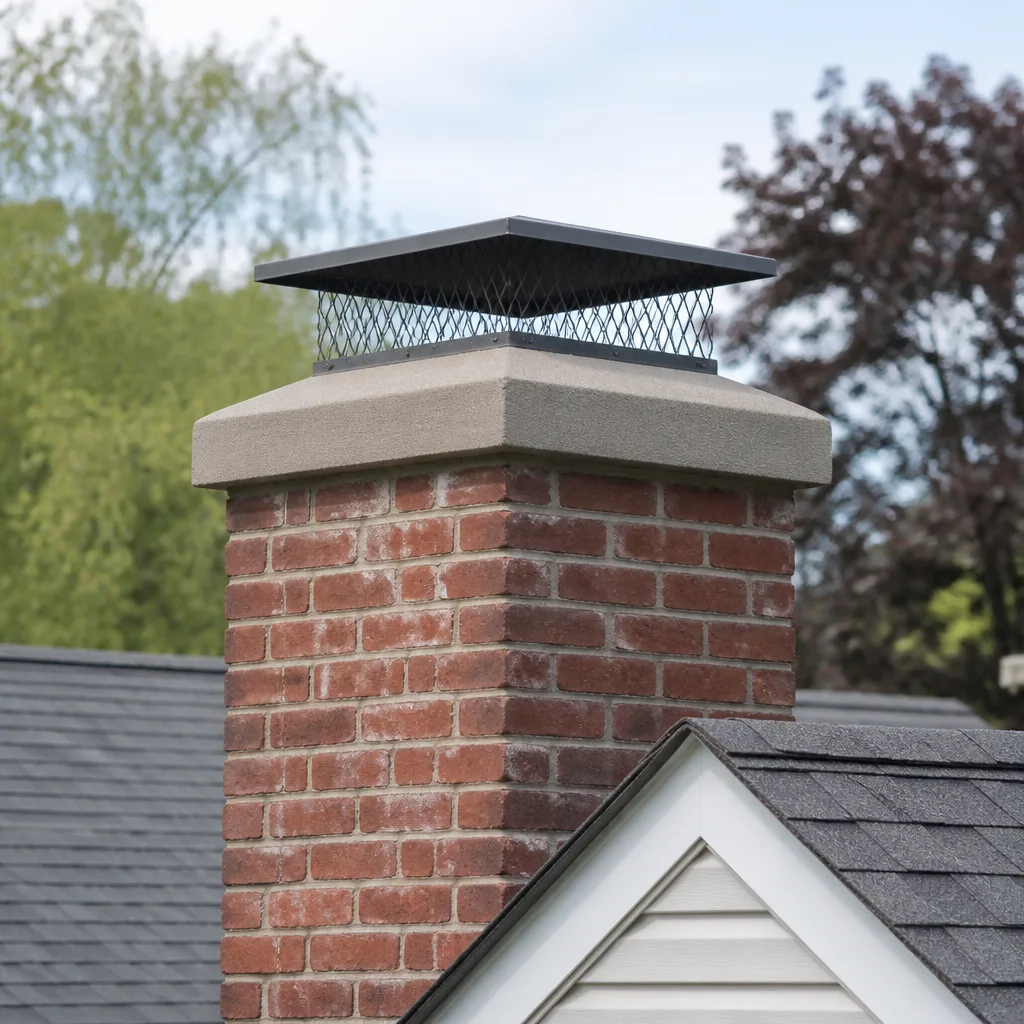 Caps & crowns
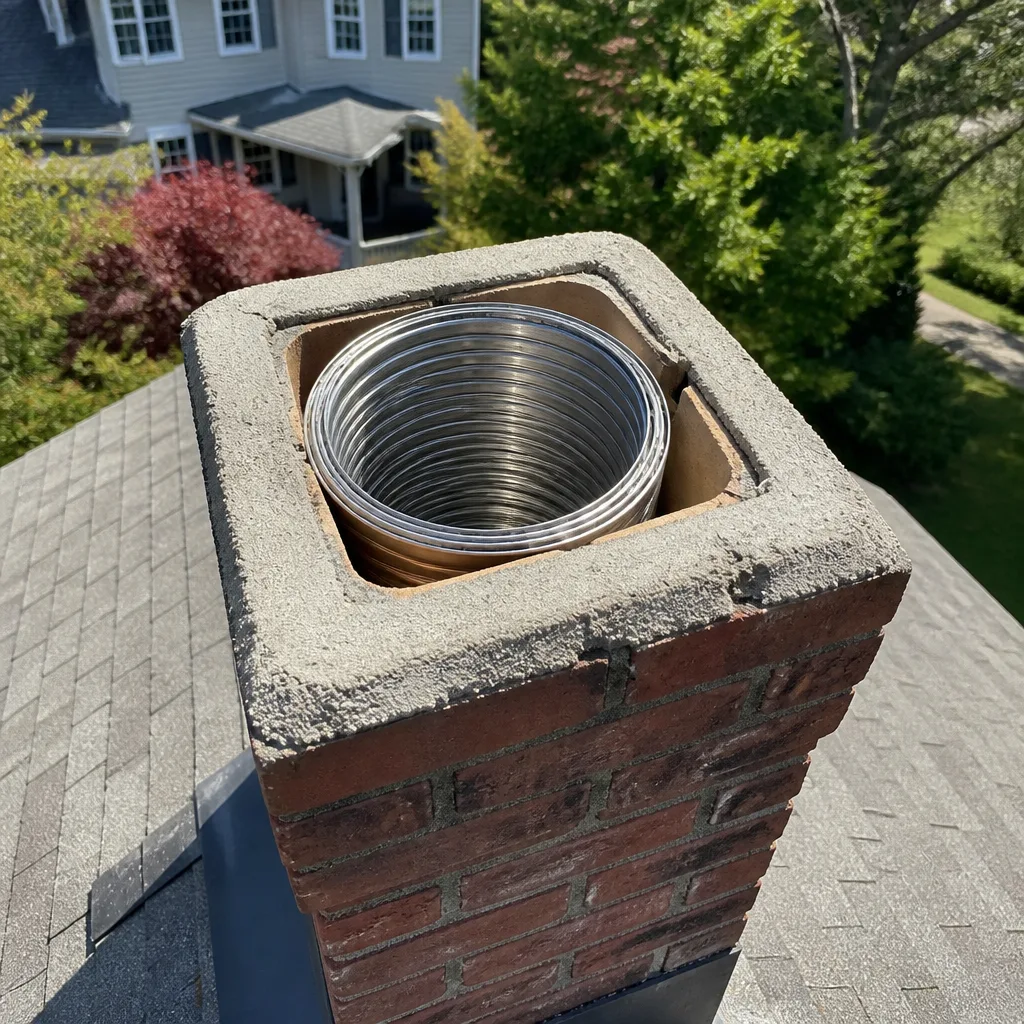 Flue relining
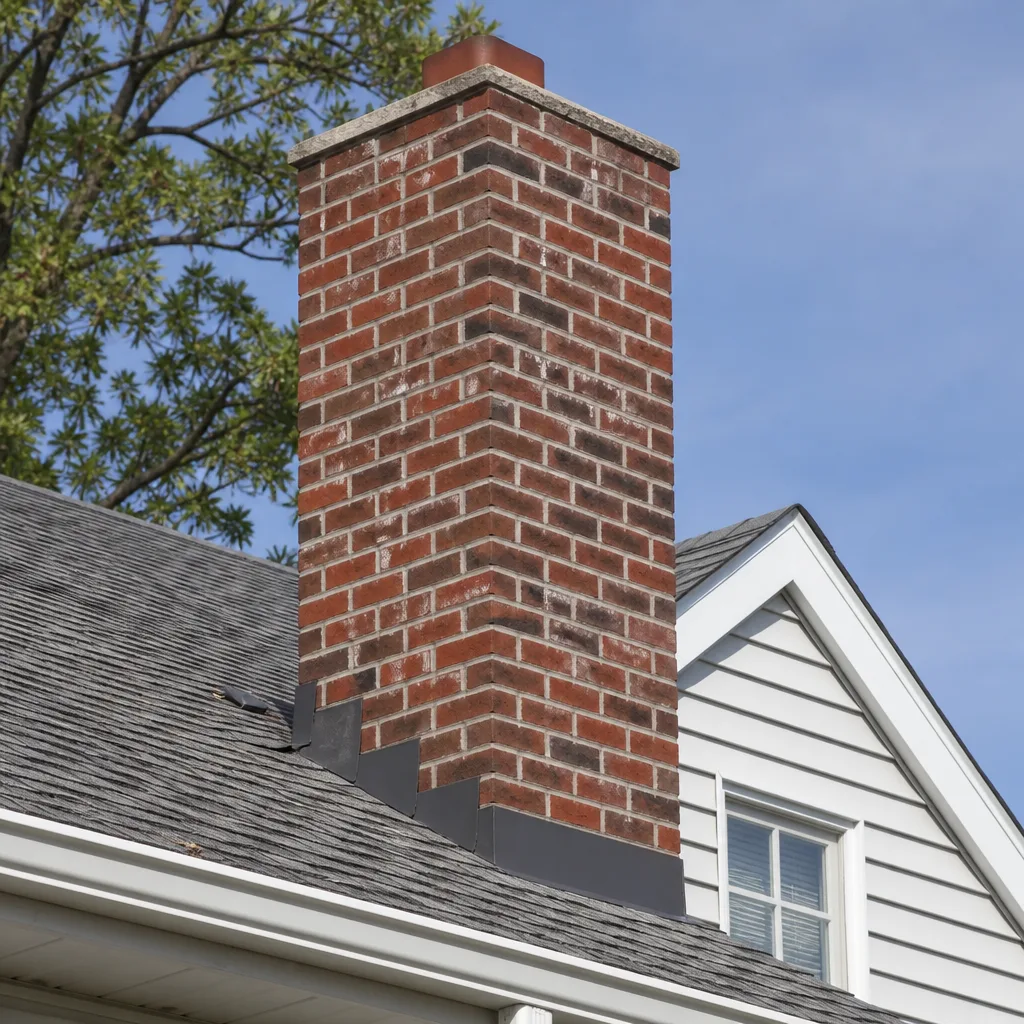 Masonry repair
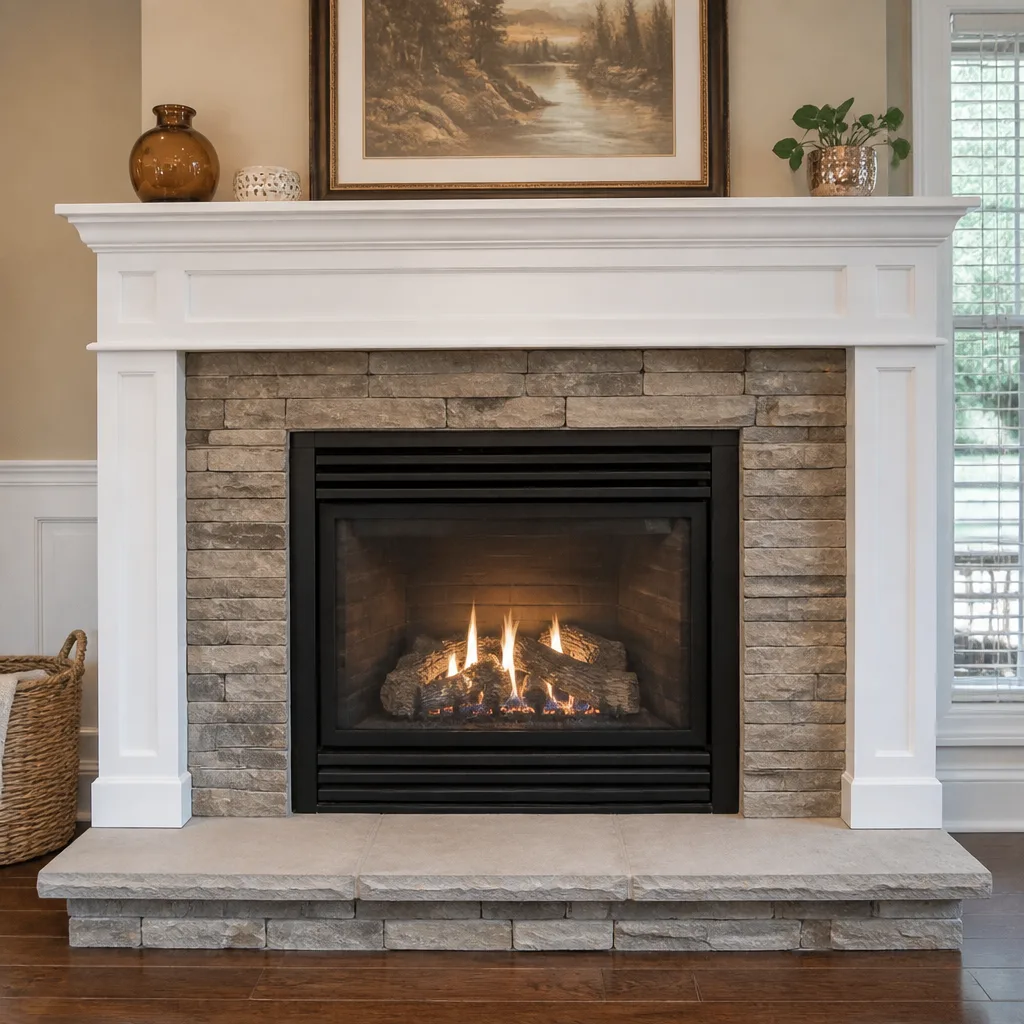 Gas fireplace service
Level 1 sweep and inspection to the NFPA 211 annual standard - flue, crown, cap, and flashing checked and photographed
Chimney sweep logs do not sweep chimneys. They loosen some creosote - which then falls where a brush and vacuum still have to collect it.
Chimney Cleaning Warning Signs: A San Pedro Homeowner’s Reference Guide
A chimney fire doesn’t announce itself in advance. But a flue that’s building toward one leaves evidence in the firebox, on the damper, and around the crown that a homeowner can spot without climbing on the roof. Most San Pedro homeowners only learn their chimney needed attention after smoke backs up into the living room or a musty smell takes over the house. This guide covers the quiet, early indicators that show up weeks or even months before a problem becomes dangerous, because prevention is cheaper than repair and a lot less stressful than a house fire.
Styles & brands we work with
- Sweep & inspection
- Caps & crowns
- Flue relining
- Masonry repair
- Gas fireplace service
Quick Answer
The earliest chimney warning signs in San Pedro are usually visual or olfactory, not dramatic. Look for flaky or shiny creosote buildup inside the firebox, white staining on exterior brick, a smoky smell when the fireplace is cold, or popping sounds during burns. Any of these means the flue should be inspected by a chimney sweep before the next fire.
Table of Contents
- What Different Creosote Stages Look Like Inside the Firebox
- The Specific Sounds a Chimney Makes That Indicate Problems
- Exterior Warning Signs Visible From the Ground in San Pedro
- Odor Patterns That Indicate Specific Problems
- Warning Signs Specific to Gas Fireplace Inserts
- Dryer Vent Warning Signs Homeowners Misattribute to Other Appliances
- Common Mistakes to Avoid
- When to Call a Professional
- Frequently Asked Questions
- The Bottom Line
What Different Creosote Stages Look Like Inside the Firebox
Creosote is the residue left behind when wood smoke cools and condenses inside the flue. It is the primary fuel source for chimney fires, and the texture of creosote tells you more about the risk than the quantity does. A thin, dusty layer of gray or brown powder is normal and expected. It brushes away with a standard chimney sweep. But when the deposit changes character, the risk climbs.
Flaky, crusty creosote that looks like dark cornflakes attached to the flue wall is the second stage. This is harder to remove and burns hotter than the powdery first stage. The third stage is the most dangerous: a tar-like, shiny glaze that looks like black glass. It is concentrated fuel, it adheres tightly to the flue liner, and it can ignite at temperatures a normal fireplace easily reaches. If you shine a flashlight up from the firebox and see a shiny, lacquered surface rather than rough brick or metal, that is a flue that needs professional attention before another fire is lit.
San Pedro’s mild winters mean fireplaces often get used in short, intermittent bursts rather than long daily burns. That pattern actually promotes creosote formation because the flue never fully heats for an extended period, so smoke condenses on a cooler liner. In our experience, second-stage creosote builds in San Pedro flues faster than homeowners expect. The firebox itself will also show clues: a dark, oily film on the damper plate or firebrick corners often indicates the same deposits are active higher in the flue.
We stock and install Chimney Sweep San Pedro tools and materials from professional-grade suppliers like Copperfield for routine cleanings and HeatShield for ceramic flue resurfacing when creosote has compromised the liner. Knowing which product fits the flue condition is the difference between a one-visit fix and a recurring problem.
The Specific Sounds a Chimney Makes That Indicate Problems
Chimneys are not silent. A properly functioning flue makes a low, steady draw sound during a fire. Certain other sounds warrant attention.
- Popping or crackling during burns: This is not the normal snap of burning wood. A sharp popping sound from inside the flue often means thermal stress on the liner, typically from rapid temperature change or an existing crack that opens as the flue expands. If you hear it repeatedly in the same spot, have the liner inspected.
- Rumbling during high winds: A low, throaty rumble when the wind blows across the chimney usually indicates downdraft and a cap that isn’t doing its job. The cap may be missing, undersized, or damaged. This is also the most common time for cold air to push smoke odors back into the house.
- Dripping sounds when not in use: If you hear water dripping inside the chimney on a clear day, that is not residual rain. It means flashing failure around the roofline, a cracked crown, or water pooling inside the flue and finding its way down. Water inside a chimney accelerates liner deterioration and can stain interior walls around the firebox.
- Rustling or scratching in the flue: Animals do not politely knock. Birds, squirrels, and raccoons enter chimneys in every part of San Pedro, and their nesting material becomes both an airflow blockage and a fire hazard the next time you light a fire.
We bring the parts. When a rumbling chimney on a windy San Pedro afternoon turns out to be a failed cap, a replacement cap from Famco or Copperfield can usually be installed the same visit. When the problem is a cracked flue liner, DuraFlex flexible liner systems give us a relining option that fits offset or damaged flues without a major rebuild.
Exterior Warning Signs Visible From the Ground in San Pedro
You do not need a ladder to spot many chimney problems. Walk around the house and look up at the chimney from the ground. Three specific signs show up over and over in San Pedro homes.
- White efflorescence staining on the brick: Efflorescence is a white, chalky residue that appears when water moves through masonry and carries mineral salts to the surface. It means water is getting inside the chimney structure. The staining itself is cosmetic, but the moisture behind it is not. Left unaddressed, that moisture degrades mortar joints and eventually spalls the brick face.
- Missing mortar between brick courses: Stand at ground level and look at the horizontal and vertical joints. If you can see gaps where mortar should be, the chimney’s weatherproofing has failed. The mortar joints are the chimney’s first line of defense against water, and gaps let water travel deep into the masonry structure. Repointing, which is replacing the damaged mortar, is a standard repair that prevents far more expensive rebuilds.
- Rust streaks below the cap: Rust bleeding down the brick below the crown or cap means metal components, usually the cap or the damper assembly, are corroding. Rust streaks also mean water is carrying that corrosion down the chimney face, which worsens the moisture problem. A rusted cap should be replaced before it fails entirely and falls into the flue.
The mild climate in San Pedro means homeowners do not deal with freeze-thaw damage the way mountain towns do, but water is still the enemy. A cracked crown or failed flashing lets rainwater in during Southern California’s winter rain season, and that water works on the flue liner year-round even when the fireplace sits unused for months.
Odor Patterns That Indicate Specific Problems
Your nose is a surprisingly accurate chimney diagnostic tool. The key is matching the smell to the condition it indicates. Three odor patterns matter most.
A smoky smell when the fireplace is cold: This is the one homeowners most often dismiss as normal. It is not. A cold fireplace should not smell like smoke. That odor means the flue is pulling air back down into the house, which is either a downdraft problem from a missing or damaged cap, or an open damper that is allowing flue air to circulate into the room. In either case, it is a fixable issue that a chimney sweep can identify in one inspection.
A musty, damp smell: Musty odors indicate moisture intrusion, animal entry, or both. A chimney that smells like a basement after rain usually has a flashing or crown problem somewhere, and the smell is coming from water-saturated creosote or nesting material inside the flue. The fix involves finding the water entry point, drying the flue, and cleaning out whatever has been soaking in it.
A sharp, acrid smell: This is the most serious odor pattern. A strong chemical or acrid smell that intensifies when you open the damper usually indicates active, stage-three creosote that has been heated and partially burned. It is the smell of a chimney that was close to a chimney fire at some point. If you smell this, do not light another fire until the flue has been professionally cleaned and inspected.
Since 2016, we have handled every category of these odor complaints in San Pedro. The fix is rarely as simple as a cleaning, and it is rarely as expensive as a full rebuild. The trick is catching the smell early and tracing it to its source before it becomes a structural problem.
Warning Signs Specific to Gas Fireplace Inserts
Gas fireplace inserts are not maintenance-free. They do not produce creosote the way wood fires do, but they produce byproducts and they can develop problems that homeowners misattribute to the appliance itself.
A lazy, orange flame on a gas insert that should burn blue and tall is a sign of incomplete combustion, often from a clogged burner or a blocked ventilation path. Soot building up on the glass or around the log set means the gas-to-air mixture is off, and that soot is collecting inside the flue as well. A gas smell, even a faint one, is never normal and should be addressed immediately by a technician.
Gas inserts also have venting systems that need to be checked for proper draft. A vent that is partially blocked will cause the burner to shut off unpredictably, or deposit condensation inside the flue that corrodes the liner from the inside. The inspection process for a gas insert is different from a wood-burning fireplace, but it is just as necessary. A sweep, inspection, and repair in one visit is what the full-service model is built around.
For gas inserts with damaged venting, we source DuraFlex flexible liner systems and accessories from Olympia Chimney to make the repair without tearing apart the surround. Homeowners who call chimney sweep services for a wood fireplace often do not realize the same company should be checking their gas insert once a year too.
Dryer Vent Warning Signs Homeowners Misattribute to Other Appliances
Dryer vents are chimney work too. A dryer is a combustion appliance that exhausts hot, lint-laden air through a duct, and when that duct clogs, the result is the same as a clogged chimney: heat and fuel trapped in a confined space. Lint is as flammable as any creosote deposit.
The warning signs are specific and often blamed on the dryer itself. If clothes take longer than one full cycle to dry, the dryer is working harder to push air through a restricted vent. The dryer feels unusually hot on the outside because that heat has nowhere to go. The laundry room becomes humid during a cycle. You can smell burning or hot fabric when the dryer runs. The vent flap on the outside of the house does not open fully during operation. Any one of these means the vent should be cleaned.
Dryer vent cleaning is part of the same fire-safety mission as chimney sweeping. Lint accumulation in a vent is not a dryer problem, it is a ventilation problem, and it is one of the most direct ways a San Pedro home becomes a fire-safety risk. Professional-grade materials like a proper exterior Famco termination fitting complete the job so the cleaned vent stays protected from the outside.
Common Mistakes to Avoid
- Assuming the chimney is fine because you only burn a few times a year. Intermittent use creates the cool-flue conditions that promote creosote accumulation. A fireplace used ten times a year can have more creosote than one used every night, because the flue never gets a sustained hot burn to cook off deposits.
- Using the smell test alone. A chimney can be dangerously clogged and smell fine. When the air pressure changes, the smell changes. The absence of an odor is not the presence of safety.
- Sweeping creosote yourself with a store-bought brush. Without knowing the flue condition, a homeowner can push a brush through a cracked liner and make the problem worse. It is also dangerous work on a ladder, and the brush will not diagnose the stage of creosote or the condition of the liner.
- Ignoring the exterior because the interior seems fine. The flue liner can be in good shape while the crown, cap, and flashing are failing. The exterior is the first thing weather hits, and San Pedro’s rainy-season downpours are enough to test any weakness.
- Waiting for the smoke to back up before calling. Smoke in the room is a late-stage warning. By the time smoke is rolling back into the house, the flue has already failed at its job, and the conditions that caused it have been building for months or longer.
- Mixing chimney and dryer vent cleaning into a DIY afternoon. The tools are different, the access points are different, and the risks are different. A dryer vent that is cleaned badly just moves the lint deeper into the duct where it is harder to reach and far more dangerous.
- Assuming a new home has a clean chimney. Home sales in San Pedro move fast, and chimneys are rarely inspected during escrow. The previous owner’s usage and maintenance habits, good or bad, come with the house. A sweep and inspection after closing is a cheap insurance policy.
When to Call a Professional
Call a chimney professional when any of the warning signs in this guide shows up: shiny or flaky creosote in the firebox, popping sounds during burns, dripping sounds when not in use, white staining or missing mortar on the exterior, smoky or musty odors when the fireplace is cold, or dryer vent symptoms like slow drying and a hot dryer cabinet. These are not conditions that resolve on their own. They get worse with every fire or every dryer cycle, and the repair grows more expensive the longer it waits.
Chimney Sweep San Pedro offers free estimates in San Pedro. Call (833) 576-1522. We answer 24/7. Fast dispatch from 7am to 7pm, Sunday through Friday.
Frequently Asked Questions
A standard chimney sweep and inspection in San Pedro typically runs between $180 and $350 depending on the flue condition, the type of fireplace, and the amount of creosote present. The written estimate after the initial inspection sets the final price, and the estimate is free. Call (833) 576-1522 to schedule a look.
A wood-burning fireplace should be swept after every cord of wood burned, or at minimum once per year. A gas insert should be inspected annually for vent blockages and burner condition even though it does not produce creosote. The National Fire Protection Association recommends annual inspection for all chimneys and vents.
Skipping sweeping lets creosote accumulate in the flue. That creosote eventually becomes fuel for a chimney fire, or it restricts the draft enough to push smoke and carbon monoxide into the living space. The damage from a chimney fire can crack the liner and transfer heat to the surrounding framing. The longer you skip it, the more the eventual repair costs.
Only if the existing liner is cracked, spalled, or no longer performing its job. A cracked clay liner allows heat and gasses to reach combustible framing. Depending on the damage, options include ceramic resurfacing with the HeatShield system or relining with a DuraFlex flexible liner. A camera inspection shows you the actual condition, so you are not taking a recommendation on faith.
You can, but you shouldn’t. The right brushes and rods cost money, the work puts you on a roof with a ladder, and a DIY sweep will not tell you whether the liner is cracked, the cap is failing, or the creosote has reached a dangerous stage. A professional cleaning includes the inspection that catches the quiet warning signs this guide describes.
A basic chimney sweep cleans the flue and leaves. A full-service chimney and ventilation company cleans, inspects, and repairs in the same visit. That means if the sweep reveals a cracked crown or a damaged cap, the repair part is on the truck and the job is finished before the crew leaves. That is the model Chimney Sweep San Pedro built around professional-grade brands like Copperfield, Famco, and DuraFlex, not whatever is on the discount shelf.
The Bottom Line
Chimneys in San Pedro do not fail overnight. They give warning for weeks and months before a fire becomes a risk: changes in creosote texture, specific sounds during burns and storms, white staining on brick, musty or acrid odors, and dryer vents that slowly stop doing their job. The homeowners who catch these early signals spend a few hundred dollars on cleaning and repair. The ones who don’t eventually pay for a new liner, a masonry rebuild, or worse. A free estimate takes the pressure off. The warning signs are there to be read. The only question is whether you read them in time.
Written by the team at Chimney Sweep San Pedro, serving San Pedro since 2016.
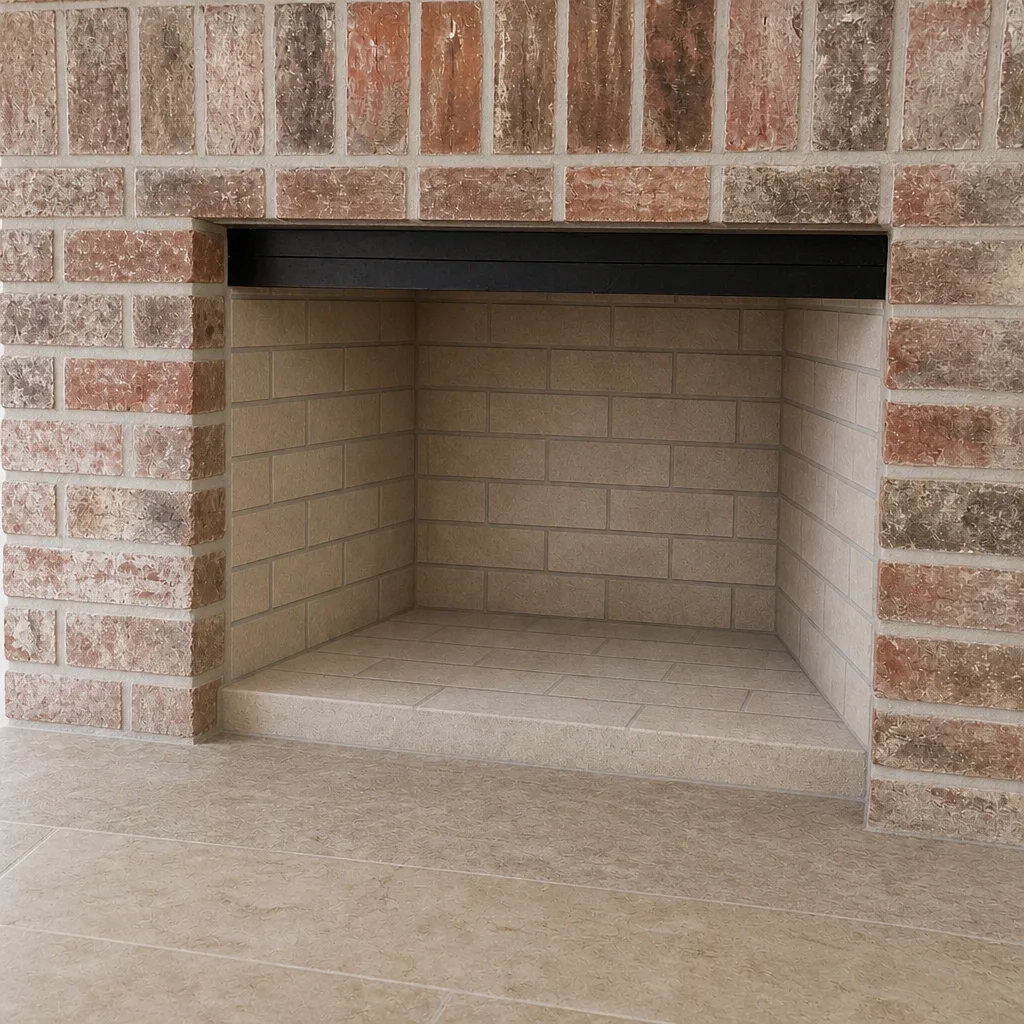
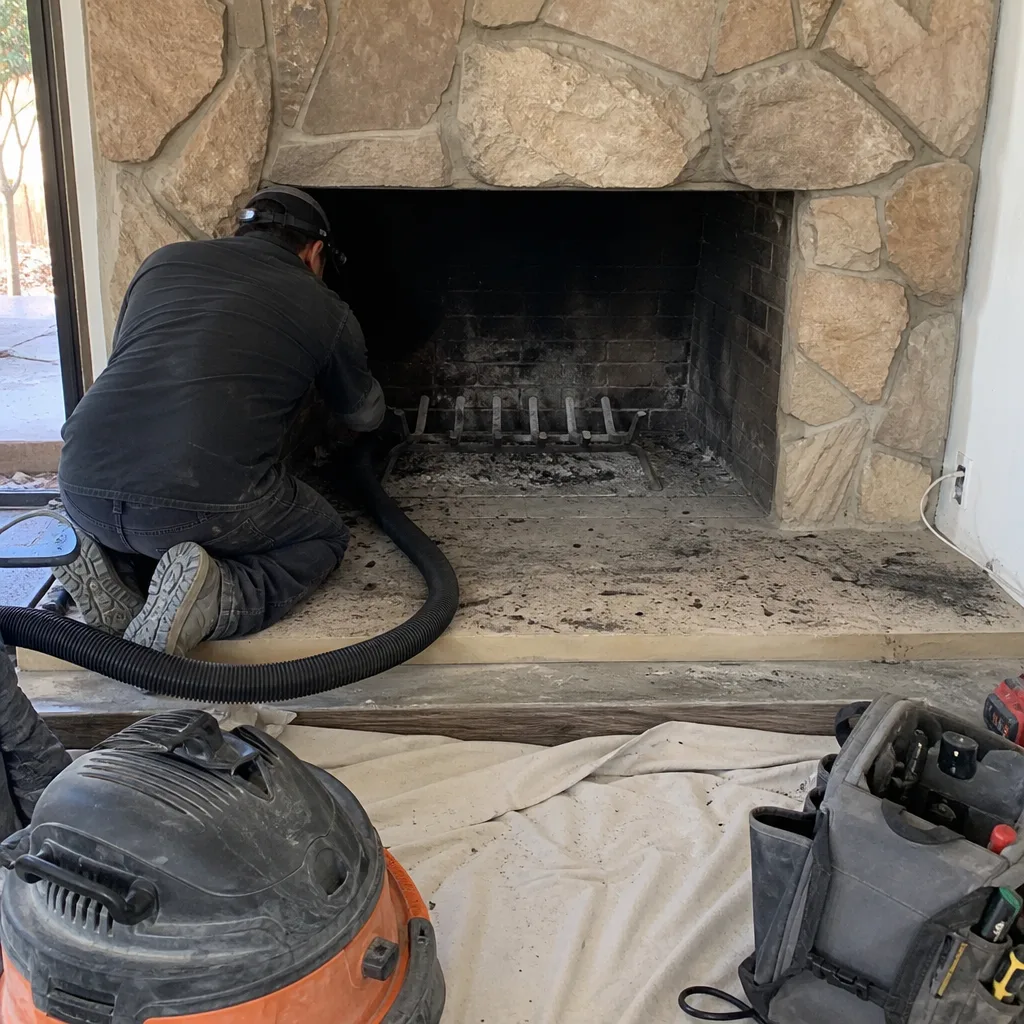
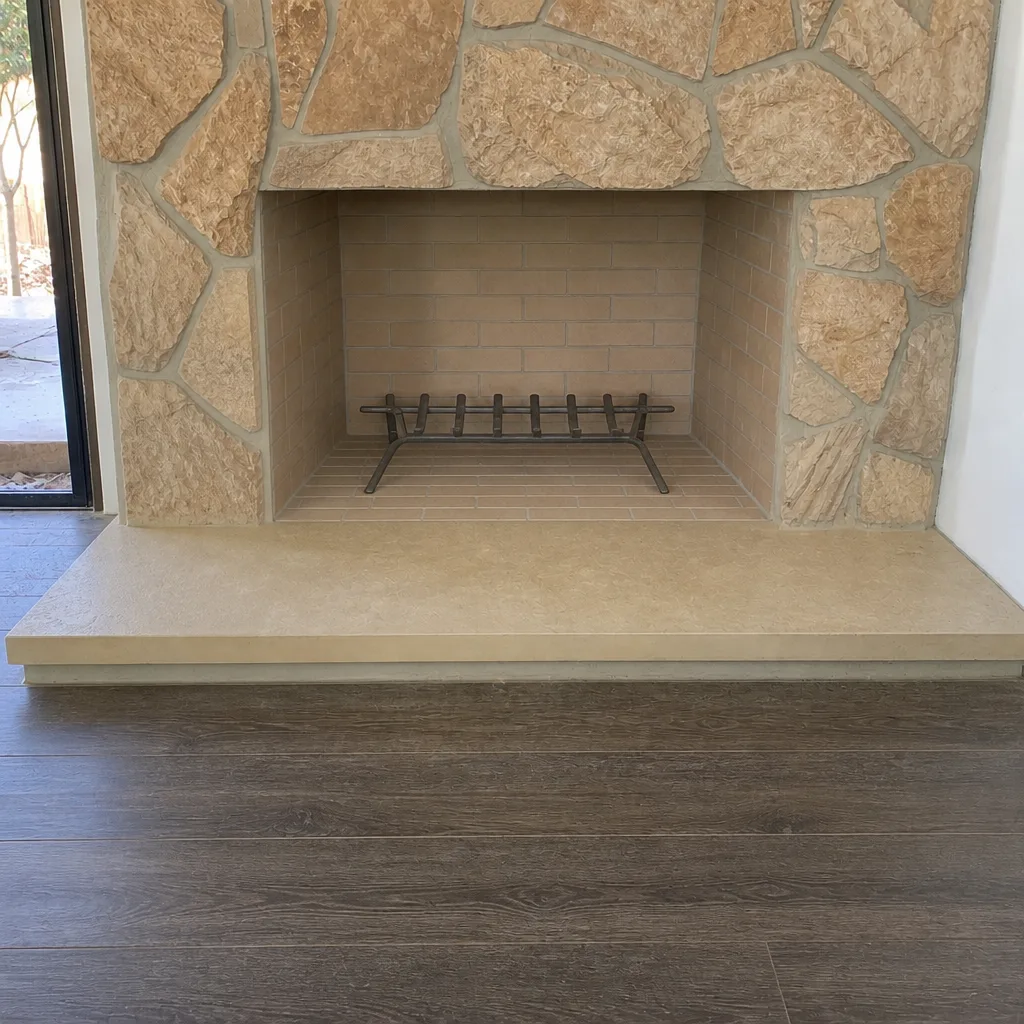
See the difference
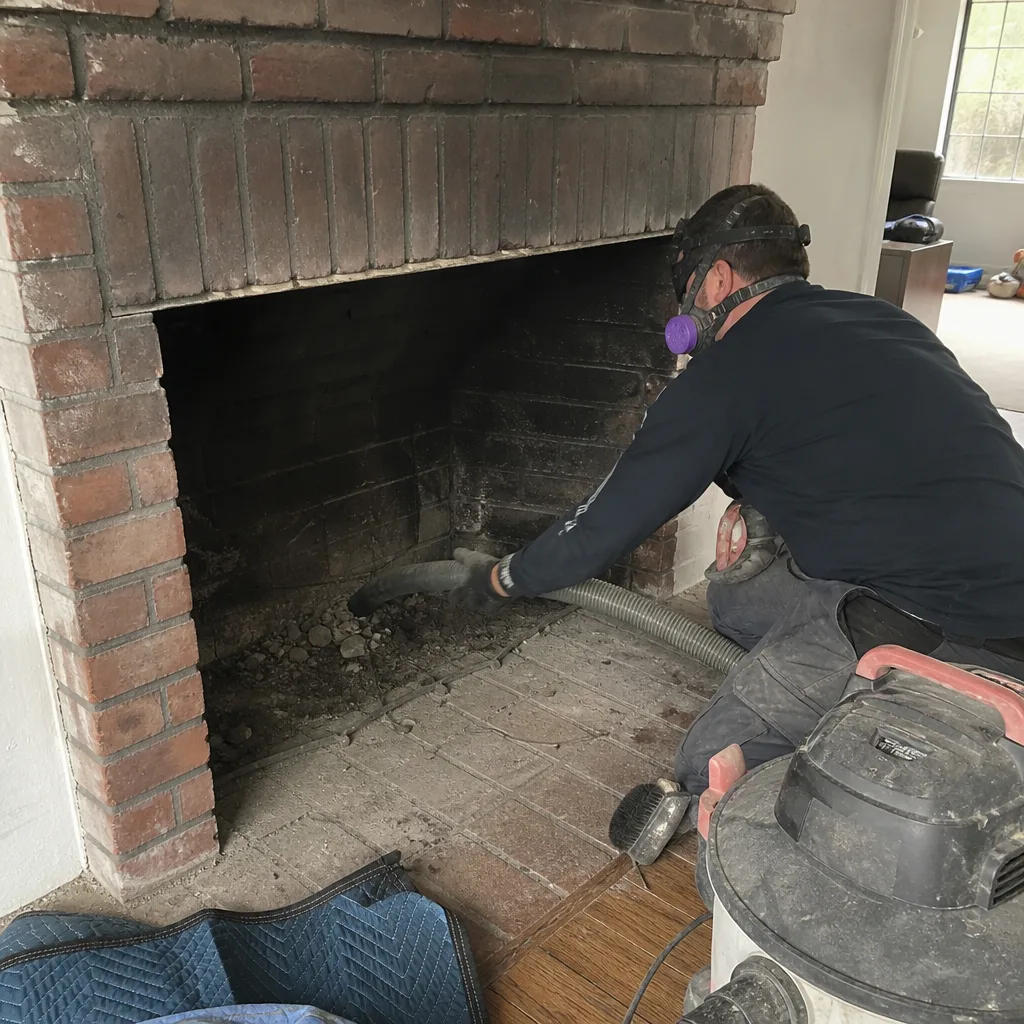 Before
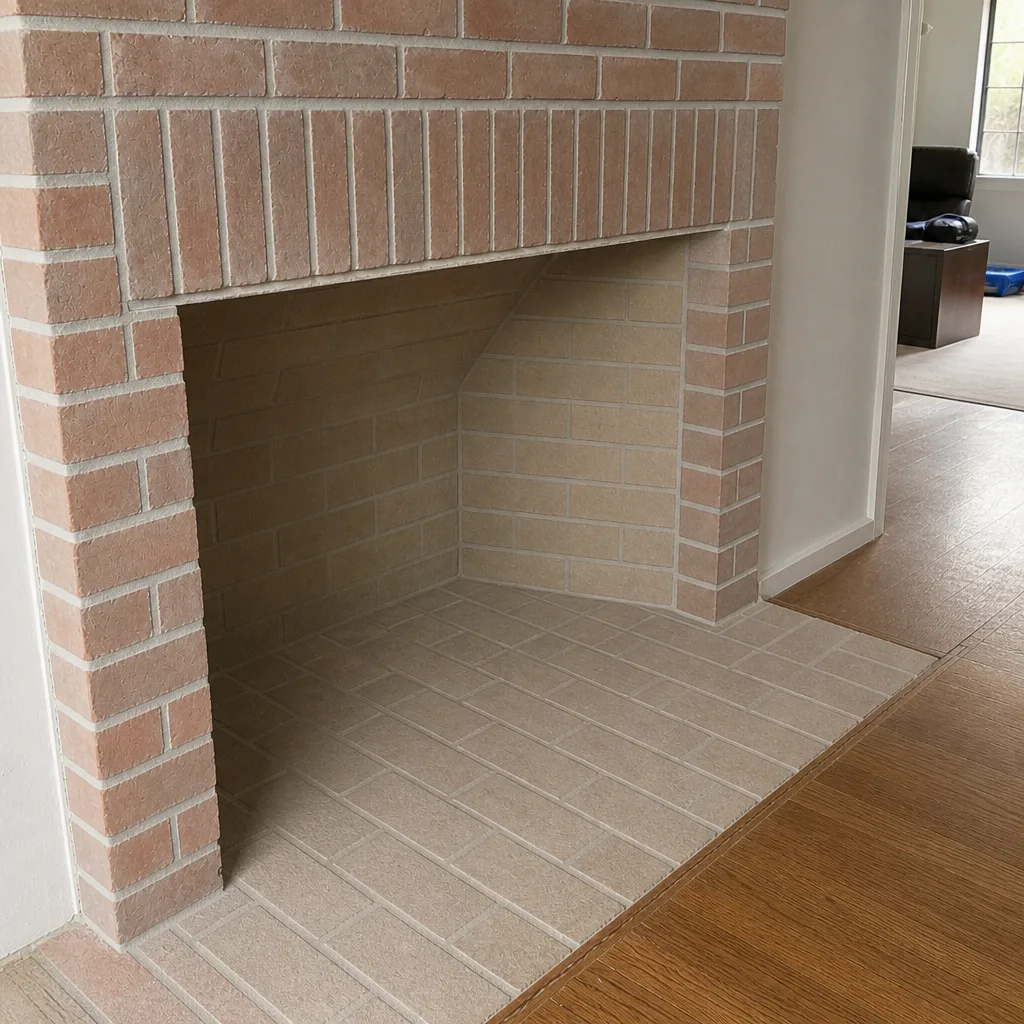 After
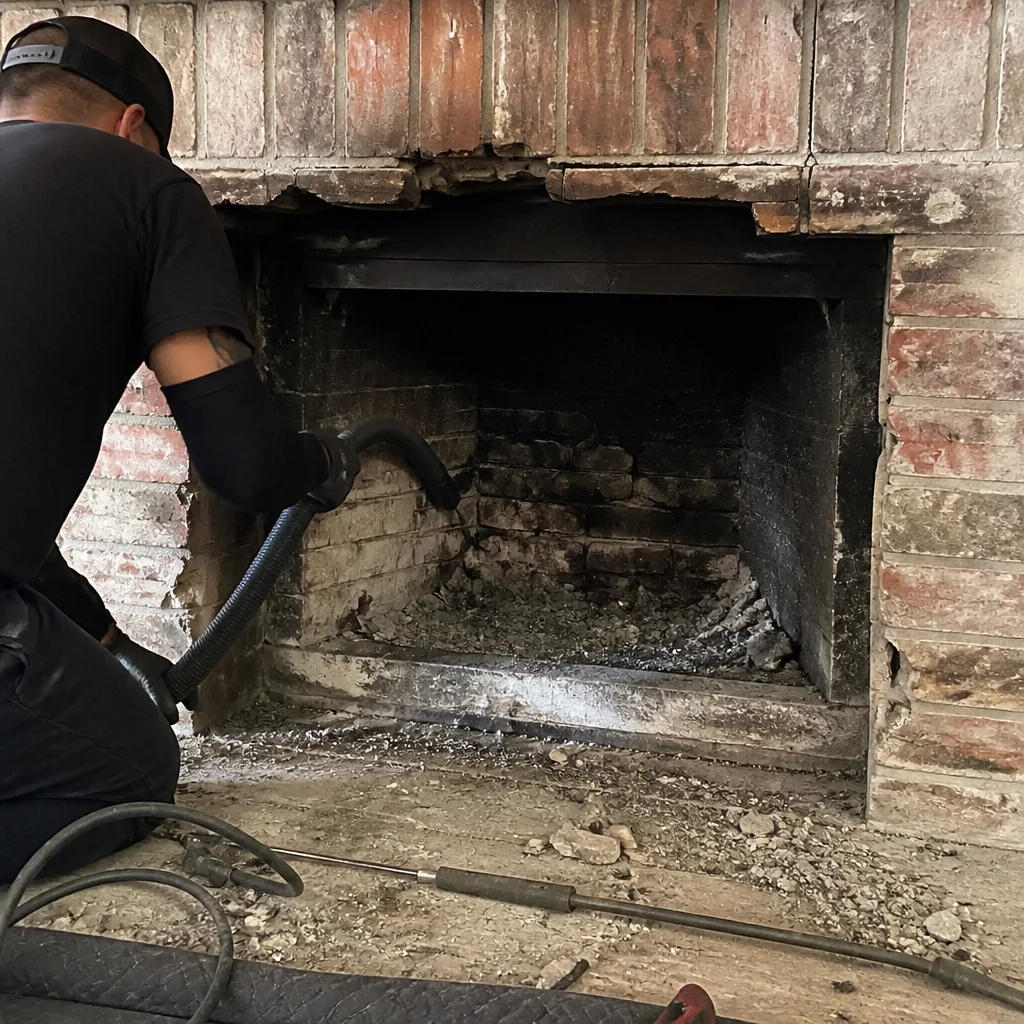 Before
 After
 Before
 After