
Last updated November 4, 2026
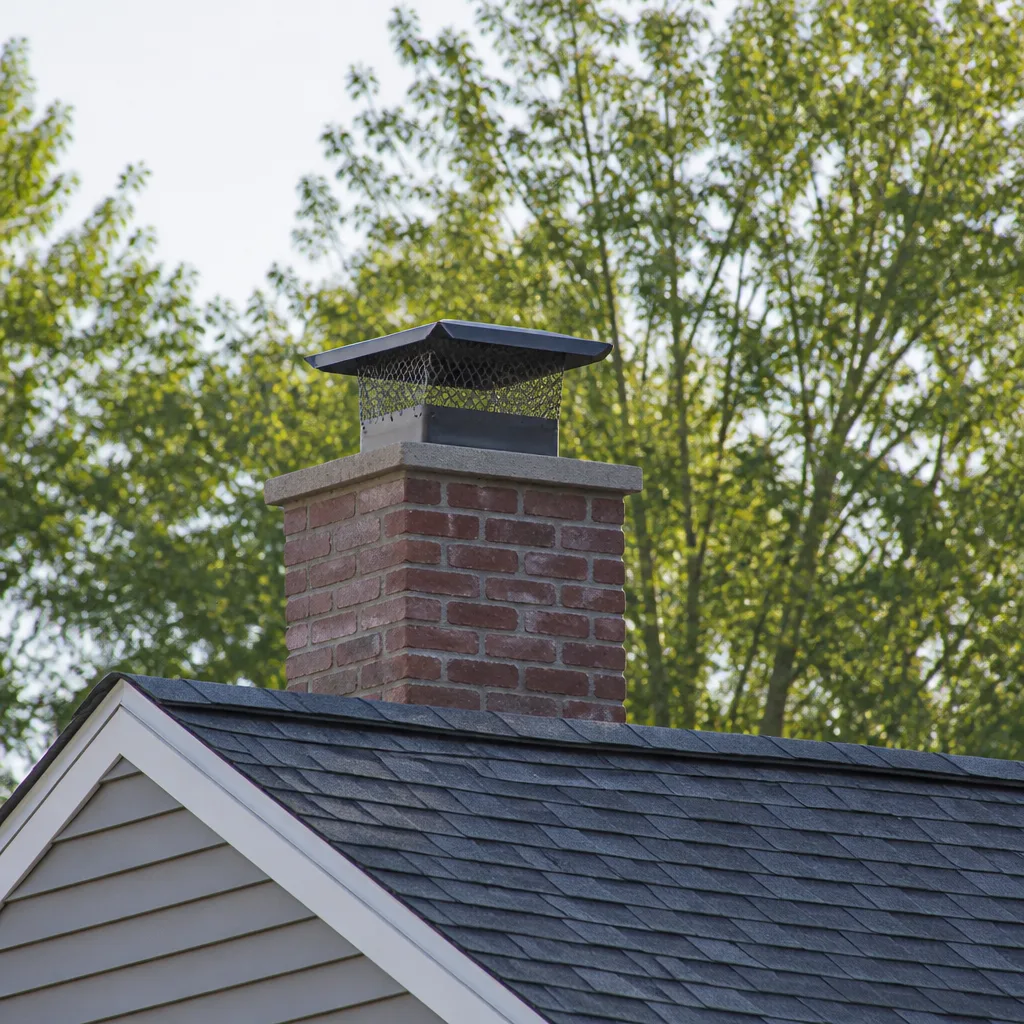 Sweep & inspection
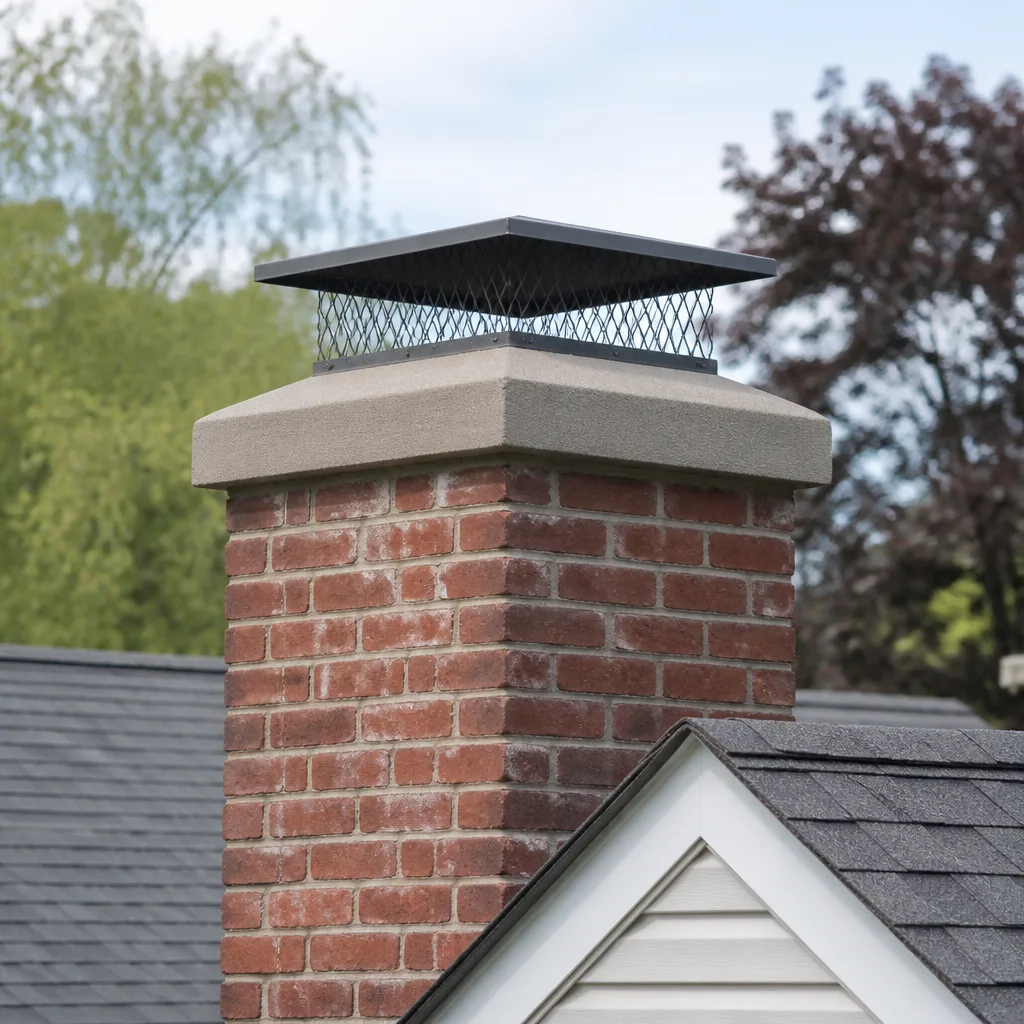 Caps & crowns
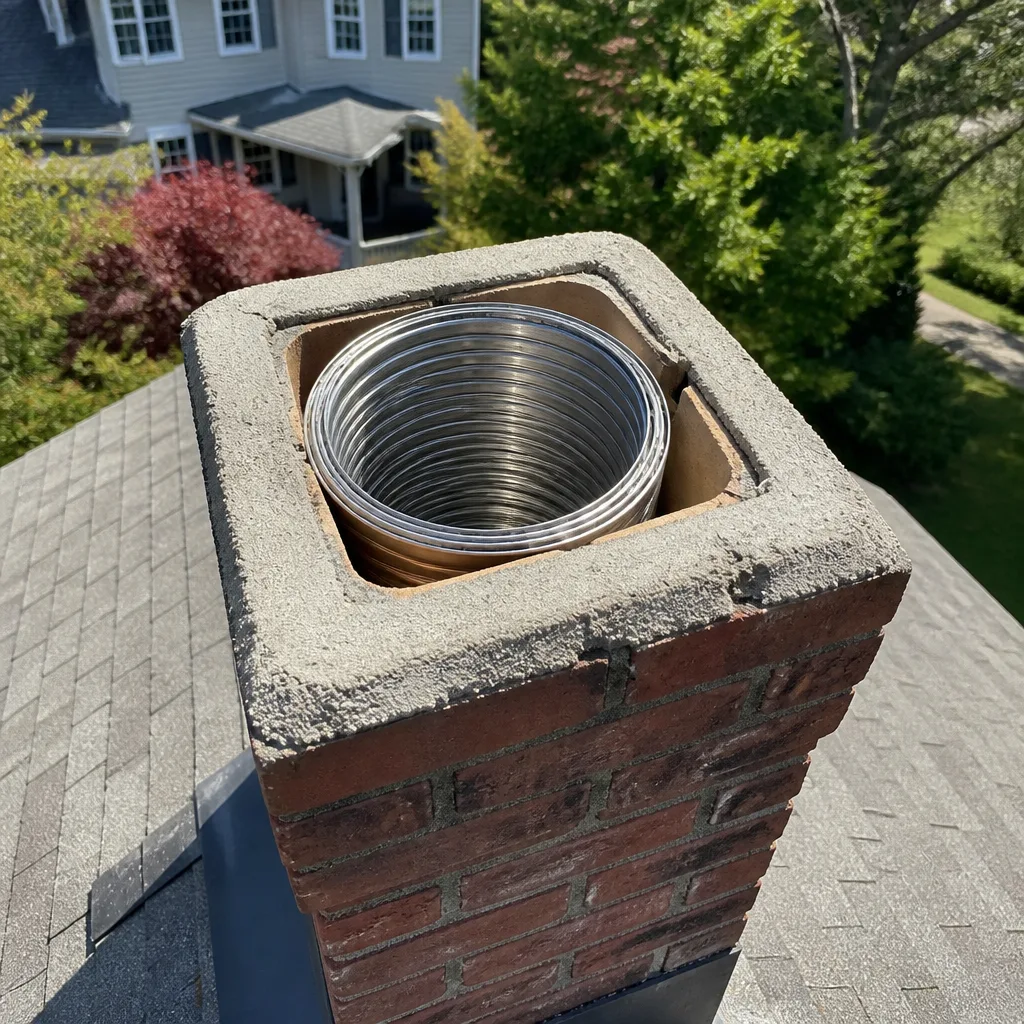 Flue relining
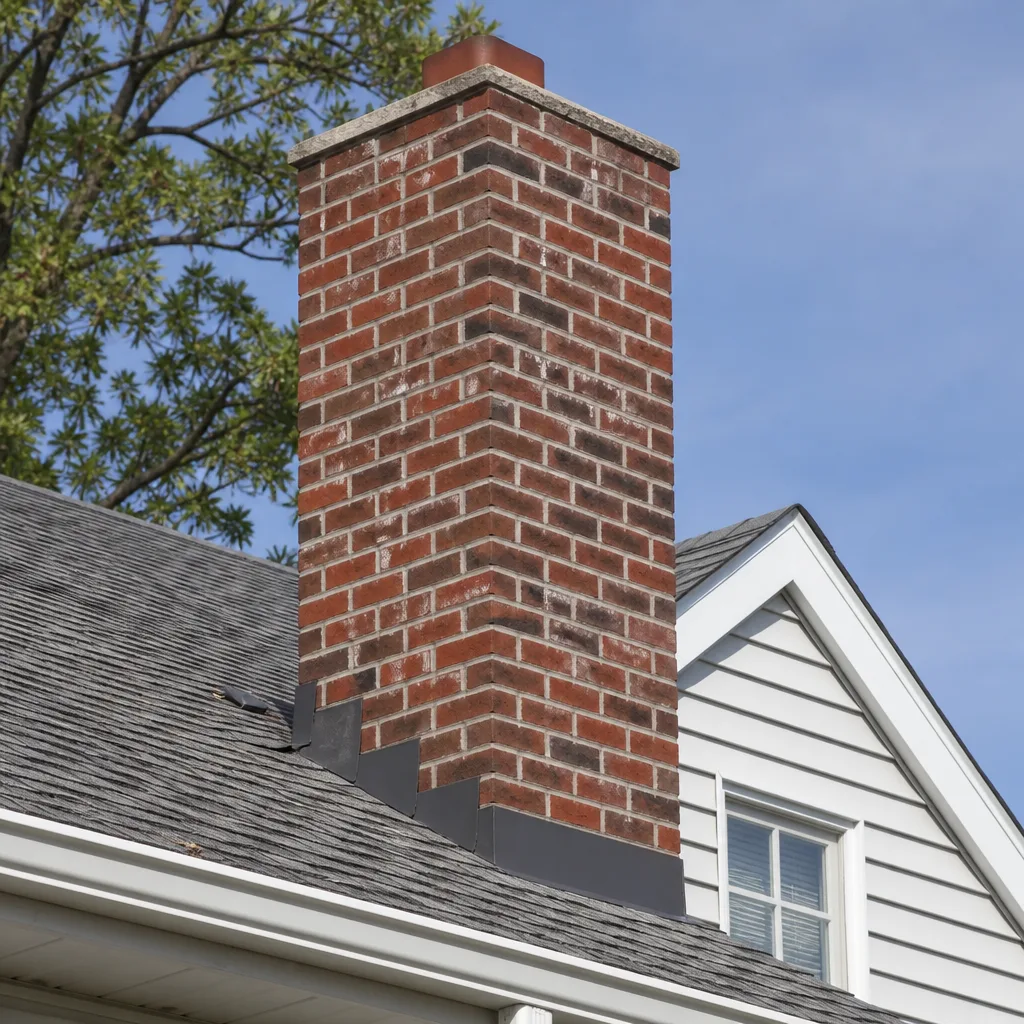 Masonry repair
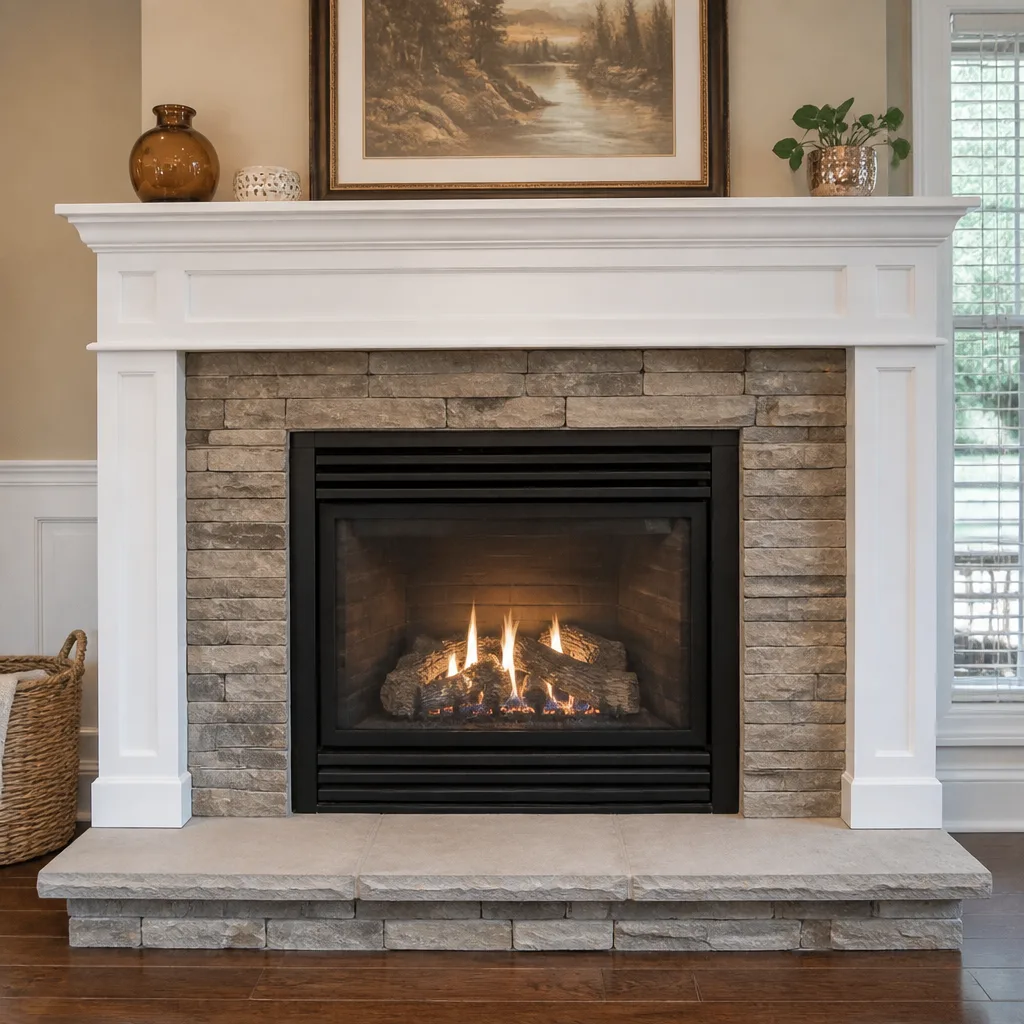 Gas fireplace service
Level 1 sweep and inspection to the NFPA 211 annual standard - flue, crown, cap, and flashing checked and photographed
Chimney sweep logs do not sweep chimneys. They loosen some creosote - which then falls where a brush and vacuum still have to collect it.
Choosing the Right Chimney Cleaning Brand: A Buyer’s Guide for San Pedro
Most homeowners shopping for a chimney sweep focus on the final bill, but there’s a better question to ask first: what materials are going into the job? A contractor who names the products they use by brand – HeatShield, Gelco, Olympia Chimney – is telling you something useful about how they source supplies and whether they can actually finish the repair. In San Pedro, where many homes still burn wood through older masonry flues, that distinction matters more than the quote. This guide explains which professional product categories homeowners should recognize, why grade matters, and how to ask the right questions without sounding like you’re interrogating anyone.
Quick Answer
Choosing the right chimney cleaning brand in San Pedro comes down to three product categories: rotary cleaning systems that remove creosote effectively, creosote modifiers that treat residue between sweeps, and liner repair systems like HeatShield that restore a damaged flue without a full reline. The brands a company stocks and installs – DuraFlex, Gelco, Olympia Chimney, Famco, Copperfield – signal whether they’re equipped for full-service repair or just a basic sweep. Ask any contractor two questions: which liner system they install, and whether they stock stainless steel caps and terminations from professional suppliers rather than galvanized hardware-store parts.
Styles & brands we work with
- Sweep & inspection
- Caps & crowns
- Flue relining
- Masonry repair
- Gas fireplace service
Table of Contents
- Professional-Grade vs. Consumer-Grade Chimney Products: Why It Matters
- Rotary Cleaning Systems: SootEater, Gardus, and What They Actually Do
- Creosote Modifiers: What Rutland Does and Does Not Do
- Liner Systems Explained: DuraFlex vs. HeatShield Resurfacing
- Caps and Chase Covers: Stainless Steel vs. Galvanized in San Pedro
- The Two Questions That Reveal a Contractor’s Material Grade
- Why a Company That Stocks Quality Materials Is Structurally Different
- Common Mistakes to Avoid
Professional-Grade vs. Consumer-Grade Chimney Products: Why It Matters
Chimney products split into two worlds. The first is the hardware-store aisle: consumer-grade brushes, off-brand creosote logs, galvanized caps that rust through in a few seasons near the harbor. The second is the wholesale supply network that credentialed chimney professionals use – names like Olympia Chimney and Copperfield, which sell the same materials to contractors across the country. The difference is not just longevity. It’s fit, metallurgy, and whether the product was manufactured to handle repeated thermal cycling in a real flue.
In San Pedro, the stakes are specific. Homes here run wood fires through short, cooler seasons, but they run them consistently from November through February. Creosote still builds. Flue tiles still crack. A consumer-grade brush may leave that residue behind, and a galvanized cap may fail while a stainless Gelco replacement would still be sound. The brand names are not decorative. They tell you which supply chain your contractor buys from, and that tells you whether they can get the right part when something beyond a sweep is needed.
Three product categories matter most for homeowners: rotary cleaning systems, creosote modifiers, and liner repair systems. Each answers a different question about how a chimney is actually maintained.
Rotary Cleaning Systems: SootEater, Gardus, and What They Actually Do
A rotary cleaning system is a flexible rod that spins a brush head at the end, driven by a drill, to scour creosote and soot from the flue walls. SootEater and Gardus are the two names most commonly stocked by professional sweeps. They work faster and more thoroughly than a manual wire brush, especially on round metal flues where a fixed brush may not make full contact.
Here’s what to understand about rotary systems:
- They remove mechanical deposits, not glazed creosote. That hard, shiny third-degree creosote requires chemical treatment or mechanical removal with specialized tools, not a standard rotary sweep.
- They are the standard for modern stainless steel liners. DuraFlex and similar flexible liners have corrugated walls that a rotary brush can follow without snagging.
- They do not replace inspection. A rotary sweep cleans; a camera inspection verifies the flue is actually clean and intact afterward.
A company that uses a rotary system is not automatically better than one using a traditional brush. But if a contractor cannot name the cleaning system they use or looks confused when you say SootEater, that’s an answer in itself. Professional Chimney Sweep San Pedro work includes cleaning with equipment matched to the liner type, followed by a visual verification that the job is done.
Creosote Modifiers: What Rutland Does and Does Not Do
Rutland makes a range of creosote treatments – powders, sprays, and logs – that chemically alter creosote to make it easier to remove at the next sweep. They are a useful maintenance tool between professional cleanings, but they are not a substitute for one.
Here’s the honest breakdown:
- What they do: They dry out sticky creosote or convert some of it to a more brittle form that a brush can remove more easily. This can make your next sweep more effective.
- What they do not do: They do not eliminate creosote. They do not clean the flue. They do not make a dirty chimney safe to burn.
We’ve seen San Pedro homeowners run a creosote log every month and assume they can skip the annual sweep. The residue is still there; it just looks different. The right use of these products is between professional cleanings, as directed, while keeping to a regular sweep schedule. A contractor who stocks Rutland shows they understand maintenance chemistry. A contractor who sells you a creosote log as a replacement for a sweep is selling you a problem.
Liner Systems Explained: DuraFlex vs. HeatShield Resurfacing
When a chimney flue is cracked, deteriorated, or never had a proper liner, there are two professional repair paths. Both are legitimate. They solve different problems.
DuraFlex flexible liner systems are stainless steel liners installed inside the existing flue. They are the right choice when the original clay tile liner is too far gone to salvage, or when the flue is offset in a way that makes a rigid liner impractical. A DuraFlex liner creates a new, continuous path for exhaust and is sized to the appliance. Installation is a structural job, not a maintenance call – it requires proper termination, insulation where needed, and a connection at the appliance.
HeatShield resurfacing is a ceramic repair system that restores damaged flue walls without installing a new liner. A contractor applies the HeatShield material to the interior of the existing flue, filling cracks and gaps and leaving a smooth, insulated surface. It’s often the right choice when the damage is localized or moderate and the original flue structure is still sound. The advantage is cost: resurfacing normally runs less than a full reline because it uses the existing flue as the structure.
Which one is right for your San Pedro home depends on the condition of the flue. Here’s the decision path:
- Camera inspection first. No reputable contractor should recommend either system without showing you video of the flue’s condition.
- Assess the liner. If the flue has extensive cracks, missing tiles, or gaps between sections, a DuraFlex liner may be the safer long-term path.
- Assess the damage. If the cracks are narrower and the flue structure is intact, HeatShield resurfacing can restore it without the cost of a full reline.
- Ask for a written recommendation with reasoning. The contractor should be able to tell you why one is better for your flue, not just quote you a number.
Lifespan for both systems is measured in years of service, not seasons. Proper installation and yearly maintenance keep either path working for a long time. The point is that a company offering both – not just selling you the one product they happen to carry – is giving you a real choice.
Caps and Chase Covers: Stainless Steel vs. Galvanized in San Pedro
The cap on top of your chimney does more than keep rain out. It keeps birds and rodents from nesting, prevents downdrafts, and protects the flue from debris. In San Pedro, where homes sit close to the harbor, cap material is not a minor detail. Galvanized steel is common in hardware stores because it’s cheap. It also corrodes sooner than stainless when exposed to moisture and the temperature swings of a working flue.
Stainless steel caps from professional suppliers like Gelco or Lyemance are the better play for a few reasons:
- Corrosion resistance: Stainless steel holds up to moisture without the zinc coating that eventually wears off galvanized parts.
- Fit: Professional caps come in more sizes and configurations, which means a better fit over your particular flue tile or liner.
- Longevity: A stainless cap typically outlasts a galvanized one by a wide margin, especially when it has moving parts like a damper.
Chase covers – the metal tops that cover factory-built chimney chases – follow the same logic. A galvanized chase cover will eventually rust through. A stainless steel replacement, fabricated or sourced from a supplier like Famco, keeps water out of the chase for far longer. When you see rust streaks down the side of a chimney, that’s usually a galvanized cover or cap failing.
The Two Questions That Reveal a Contractor’s Material Grade
You do not need to become a chimney expert to evaluate a contractor. Two questions will tell you most of what you need to know without sounding adversarial.
Question 1: “Which liner system do you install?”
A professional will answer with a brand or a system: HeatShield, DuraFlex, or a comparable name. They will also ask you questions about your fireplace and offer to inspect the flue before recommending anything. A sweep-only operation will give you a vague answer about “relining” or tell you they don’t do that kind of work. There’s nothing wrong with a sweep-only company being honest about that; the problem is when they claim to handle repairs but cannot name their materials.
Question 2: “Do you stock the parts, or order them?”
This is less about speed than capability. A company that stocks Gelco caps, Famco terminations, and Olympia Chimney parts has made an investment in being able to complete repairs. They are not pausing your job to wait on a delivery from a general supply house. A contractor who says they can “get anything” is often ordering consumer-grade parts from a big-box retailer. The question also reveals whether they work with professional wholesale networks, which is a proxy for whether they do this work regularly enough to justify those accounts.
Why a Company That Stocks Quality Materials Is Structurally Different
There’s a structural difference between a sweep-only operation and a full-service chimney and ventilation company, and the products they stock are the visible marker of that difference. A sweep-only crew can clean a chimney. They show up with brushes, rods, and a vacuum, and they leave. If the inspection finds a cracked flue, a failed cap, or a deteriorating liner, they hand you a referral card or tell you to “keep an eye on it.”
A company that stocks professional-grade materials operates differently. They carry DuraFlex liner systems, HeatShield ceramic repair materials, and stainless steel caps and terminations from suppliers like Gelco and Famco. That inventory investment only makes sense if they are actually doing the repair work that those materials support. It also means the same technician who cleans your chimney can fix what the inspection finds – whether that’s a new cap, a resurfaced flue, or a full reline – without a second visit from a different contractor.
There’s an accountability issue here too. When a company installs a product from a named manufacturer, that manufacturer’s warranty and reputation are on the line with yours. The contractor has a reason to install it correctly. When a contractor picks up whatever cap was cheapest at the supply house, the accountability for how it performs ends at the curb.
In San Pedro, this matters because the housing stock is older and varied. Many homes have masonry chimneys built decades ago that were never relined or have original clay tiles now showing their age. Dryer vent cleaning is part of the same picture – it’s the same fire-safety mission, just a different exhaust path. A full-ventilation company treats both as part of one system, because they are. The fire risk from a clogged dryer vent is real and documented; the fire risk from a cracked flue is real and documented; and both are solved with the same approach: inspect, clean, repair with the right materials, verify.
Common Mistakes to Avoid
- Choosing a contractor by price alone. A $79 sweep that skips the camera inspection or leaves creosote behind costs more than a proper sweep when the problem reappears or worsens. The lowest quote is often lowest because it covers the least work.
- Assuming all caps and liners are the same. Stainless steel and galvanized are not interchangeable, and a DuraFlex liner is not the same repair as a HeatShield resurfacing. Material choice changes what you pay and how long the fix lasts.
- Skipping the camera report. Any sweep that does not include a visual verification of the flue after cleaning is leaving you without proof the job is done. Ask to see the before and after.
- Using creosote logs as a substitute for sweeping. They’re maintenance, not cleaning. The residue is still in the flue, and the fire risk does not go away because the creosote changed form.
- Ignoring a dryer vent because it’s separate from the chimney. San Pedro homes with laundry rooms on interior walls often have long dryer exhaust runs that collect lint quickly. That lint is fuel, same as creosote, and it needs the same regular attention.
- Replacing a galvanized part with another galvanized part. If a cap or chase cover failed from corrosion, the replacement should be stainless. Repeating the same material choice gets you the same failure later.
- Not asking who sources the materials. A contractor who cannot name their liner system or cap supplier has not invested in a repair capability. They’re a cleaning crew, which is fine – as long as you know that’s what you’re getting.
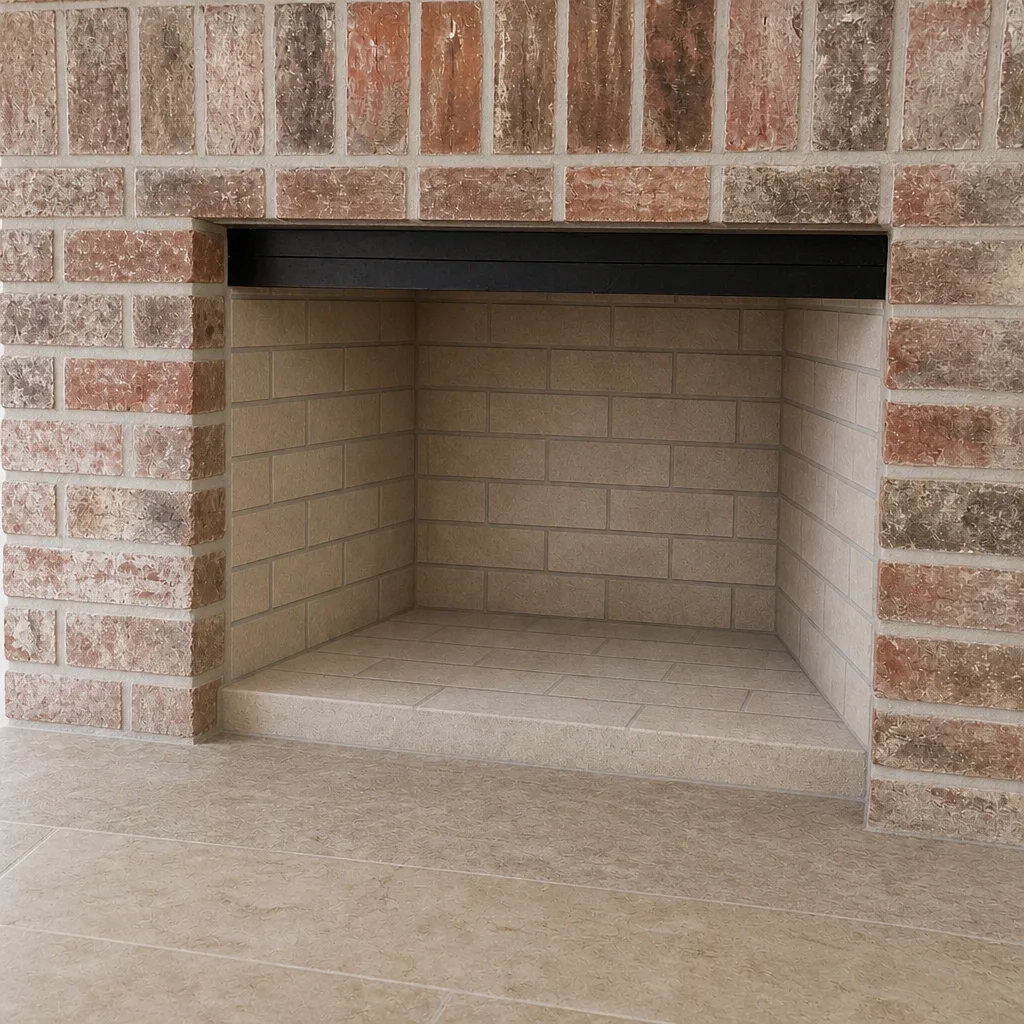
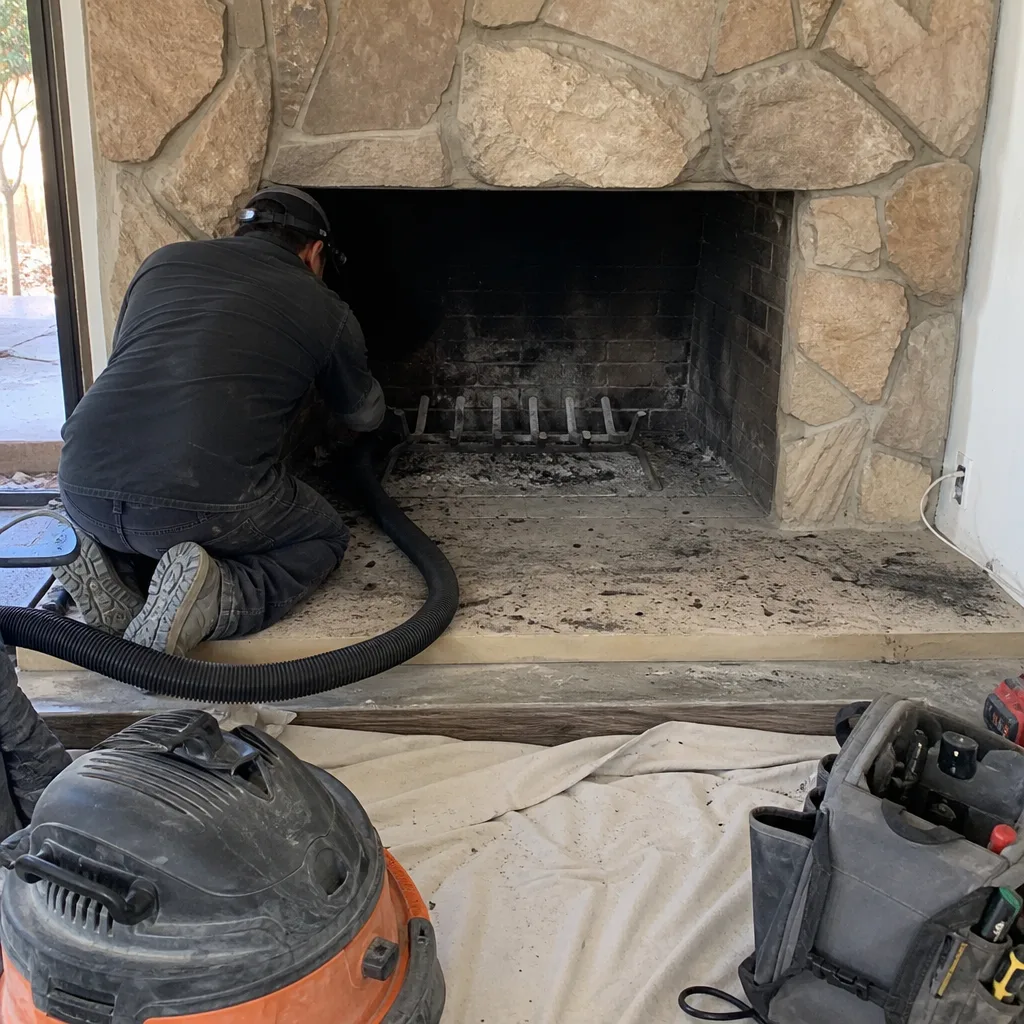
See the difference
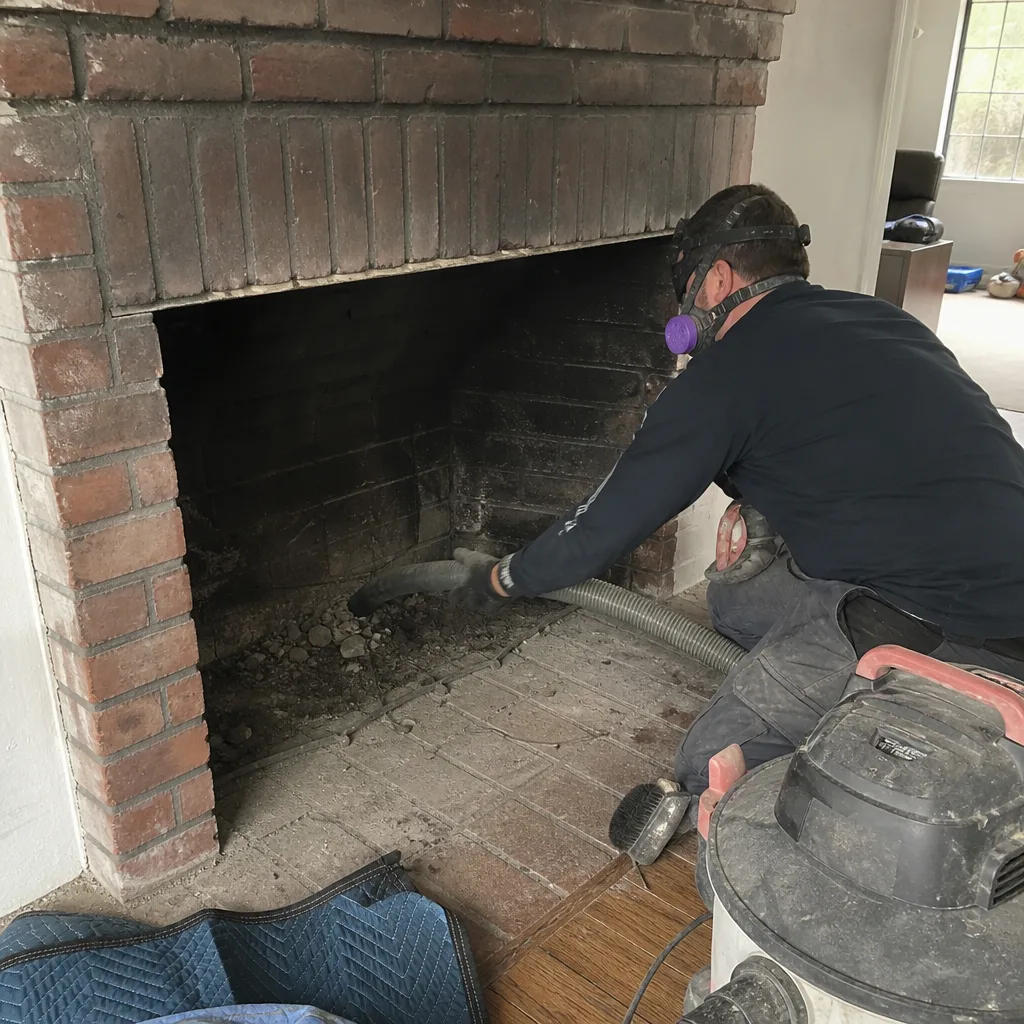 Before
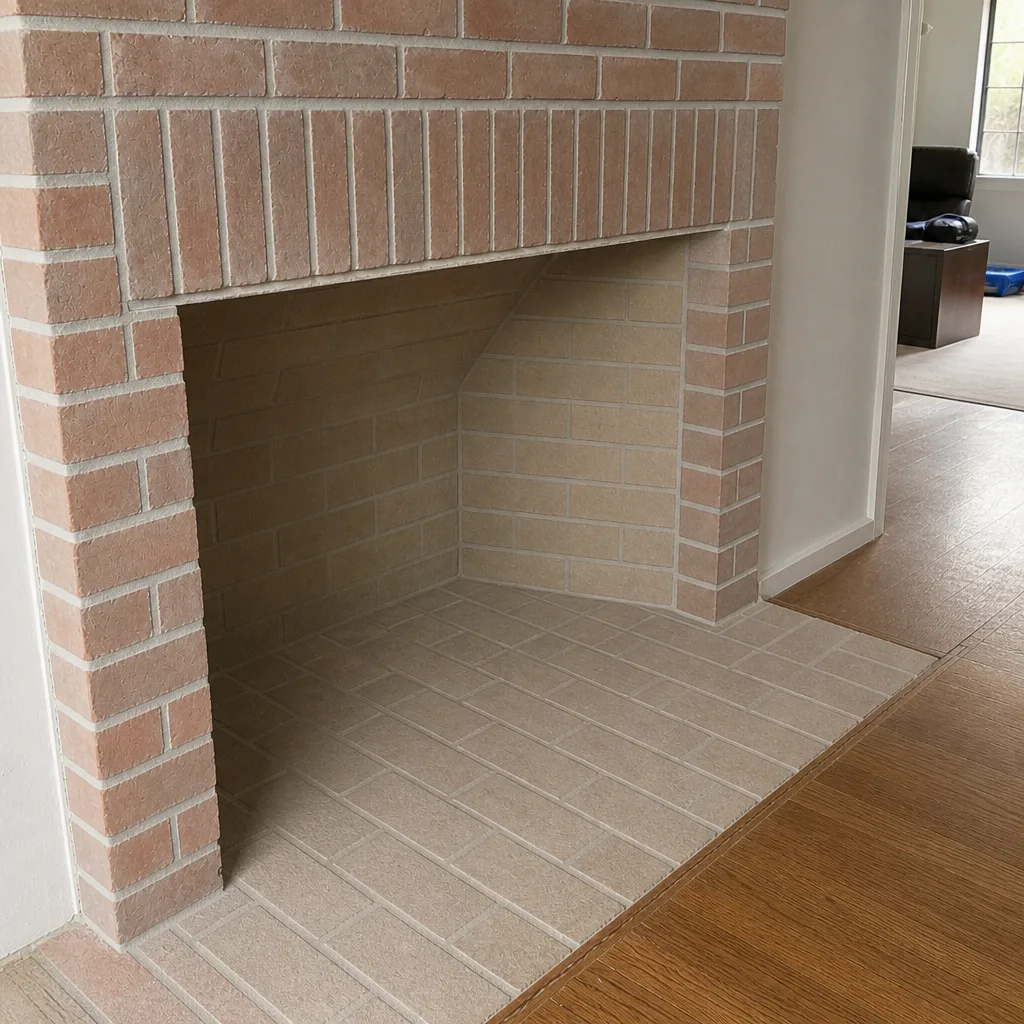 After
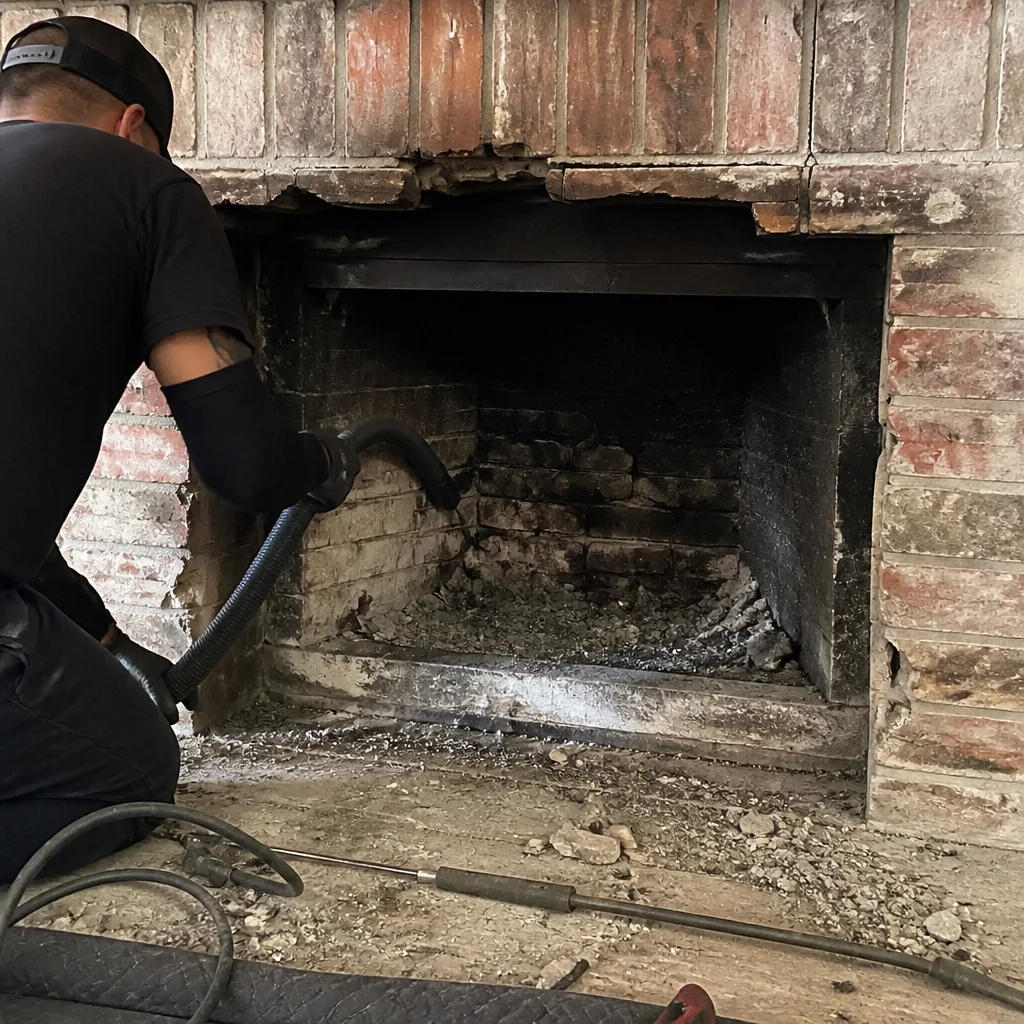 Before
 After
 Before
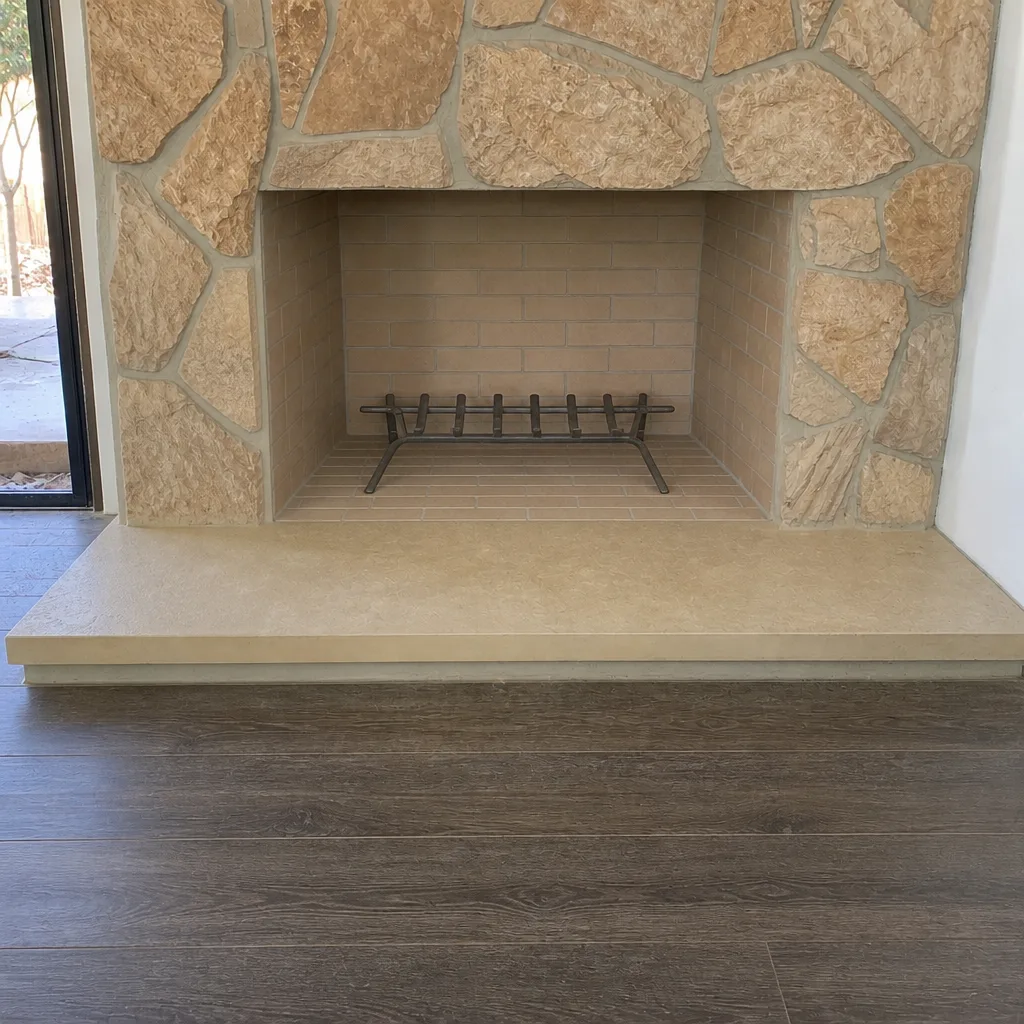 After
When to Call a Professional
If you see flaking creosote, notice smoke entering the room, or have not had the chimney inspected in more than a year, call a professional before the next fire. If you see rust streaks from a cap or chase cover, or water staining near the fireplace, that’s corrosion or leakage that will get worse. If your dryer takes longer than one cycle to dry a load, the vent may be clogged. These are all calls for a ventilation specialist who can inspect, clean, and repair in one visit. Chimney Sweep San Pedro offers free estimates in San Pedro – call (833) 576-1522. We answer 24/7. Fast dispatch from 7am to 7pm, Sunday through Friday.
Frequently Asked Questions
Professionals use rotary cleaning systems like SootEater or Gardus for mechanical creosote removal, creosote modifiers like Rutland between sweeps, and liner repair systems like HeatShield or DuraFlex when the flue needs structural work. The specific products depend on the liner type and the condition of the chimney, but professional-grade tools are built for repeated use on real flues, not occasional homeowner maintenance.
A chimney sweep in San Pedro is priced per job by written estimate, typically based on the chimney’s height, liner type, and condition. The estimate is free, and no repair work should be quoted without a camera inspection first. Call (833) 576-1522 for an exact quote.
Not necessarily. Narrow cracks in an otherwise sound flue can sometimes be repaired with a HeatShield ceramic resurfacing system, which fills the cracks and restores the flue without a full reline. Extensive cracking, missing tiles, or gaps between sections usually calls for a DuraFlex stainless steel liner. The deciding factor is a camera inspection that shows the actual condition of the flue.
Once a year for a wood-burning fireplace, regardless of how often you use it. San Pedro’s burning season runs roughly from November through February, which is enough to build up creosote even with moderate use. A yearly sweep also gives you the inspection that catches problems before they become expensive.
Creosote accumulates in the flue. First-degree creosote is sooty and easily removed; second-degree is flaky; third-degree is a hard, glazed coating that requires chemical treatment and mechanical removal. The heavier the buildup, the higher the risk of a chimney fire. Even below the fire threshold, a clogged flue can push carbon monoxide back into the house. If you have not swept in over a year, call (833) 576-1522 to schedule before the next burn.
Yes. Galvanized caps and chase covers corrode sooner in San Pedro’s harbor-adjacent climate, where moisture and temperature cycling are constant. Stainless steel from suppliers like Gelco or Lyemance lasts significantly longer and fits more precisely over the flue, which keeps out rain, birds, and debris more effectively.
The Bottom Line
The brands behind your chimney cleaning and repair products are not just jargon. They’re a signal of where your contractor buys materials, what repairs they can actually perform, and whether they’ll be accountable for the result. Professional-grade rotary systems, creosote modifiers, and liner repair products matter in San Pedro because older homes with active fireplaces need more than a once-over with a hardware-store brush. Ask what your contractor stocks. Ask what liner they install. Ask to see the flue yourself. The answers will tell you whether you’re hiring a full-service specialist or a sweep-only crew, and that’s the difference between a chimney that’s actually safe and one that just looks clean. Call (833) 576-1522. We answer 24/7. Fast dispatch from 7am to 7pm, Sunday through Friday.
Written by the team at Chimney Sweep San Pedro, serving San Pedro since 2016.