
Last updated November 4, 2026
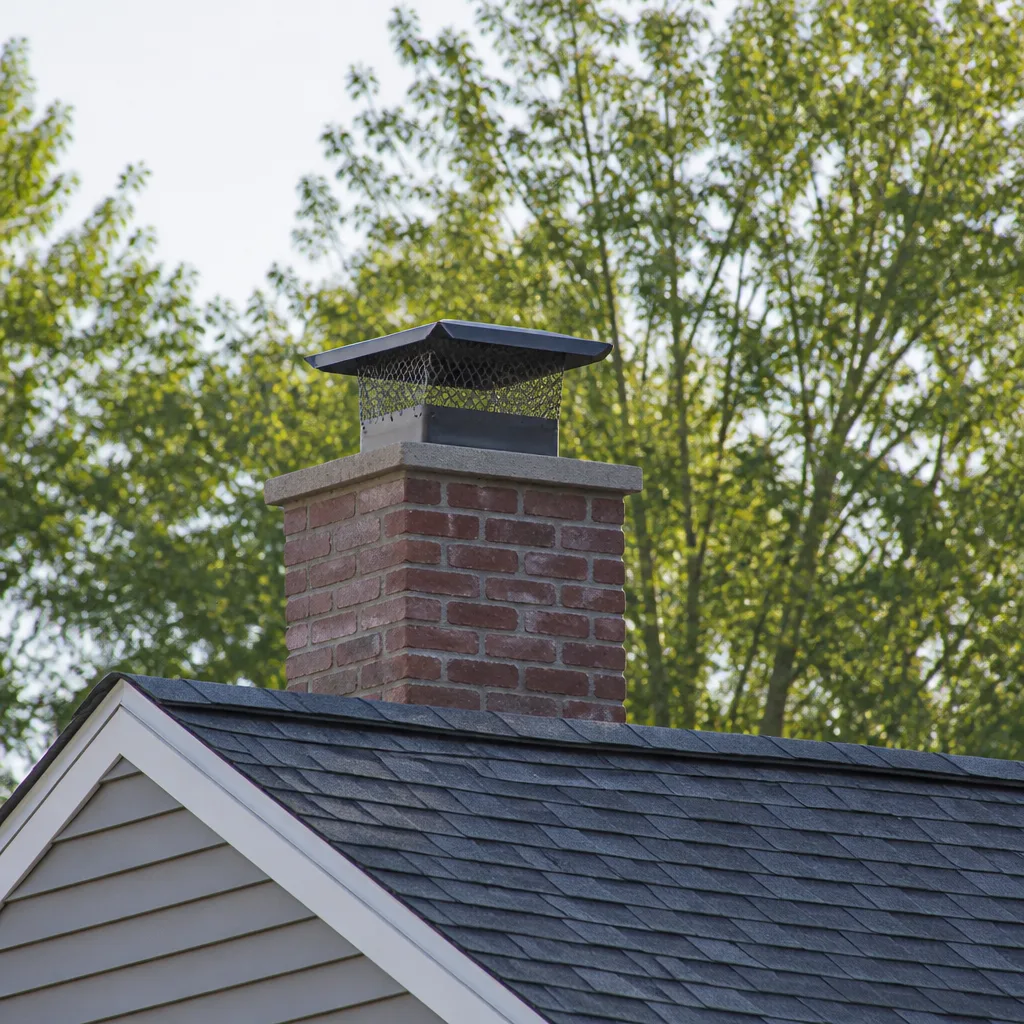 Sweep & inspection
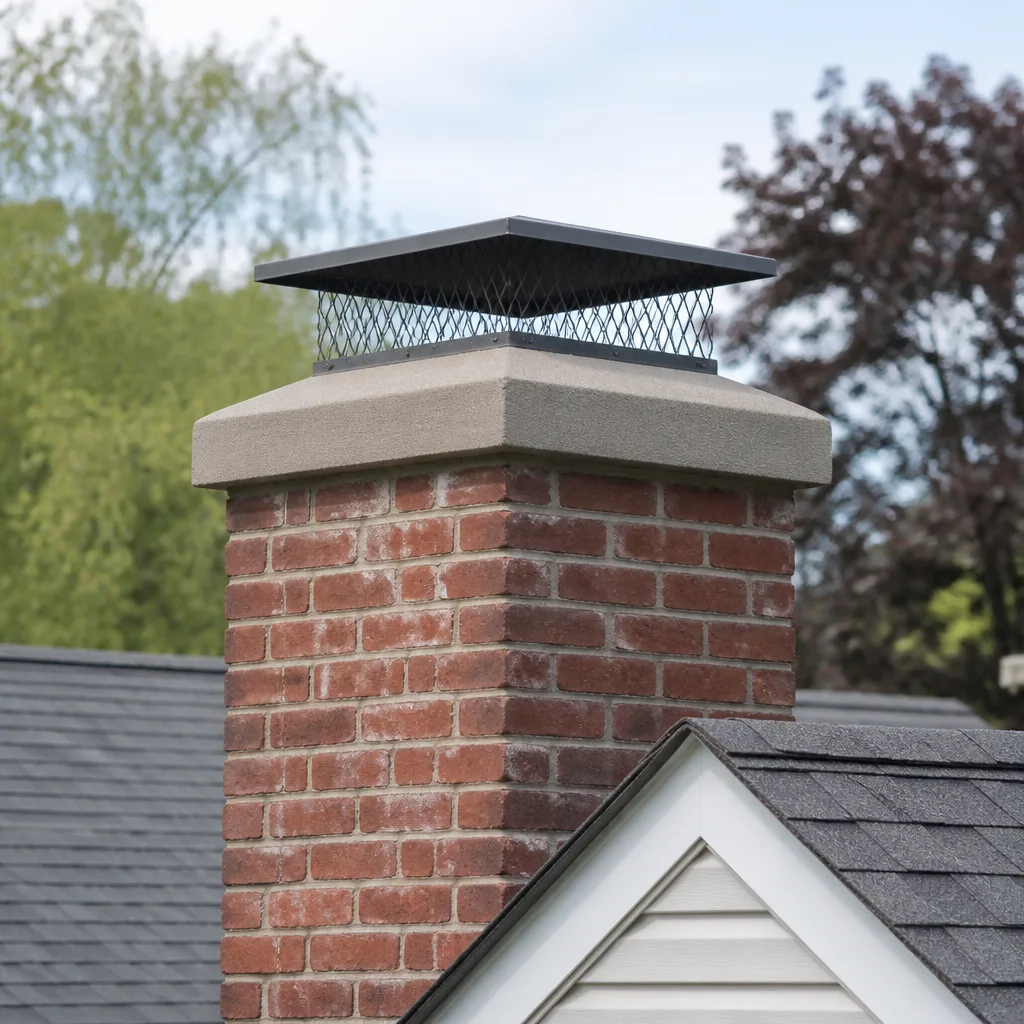 Caps & crowns
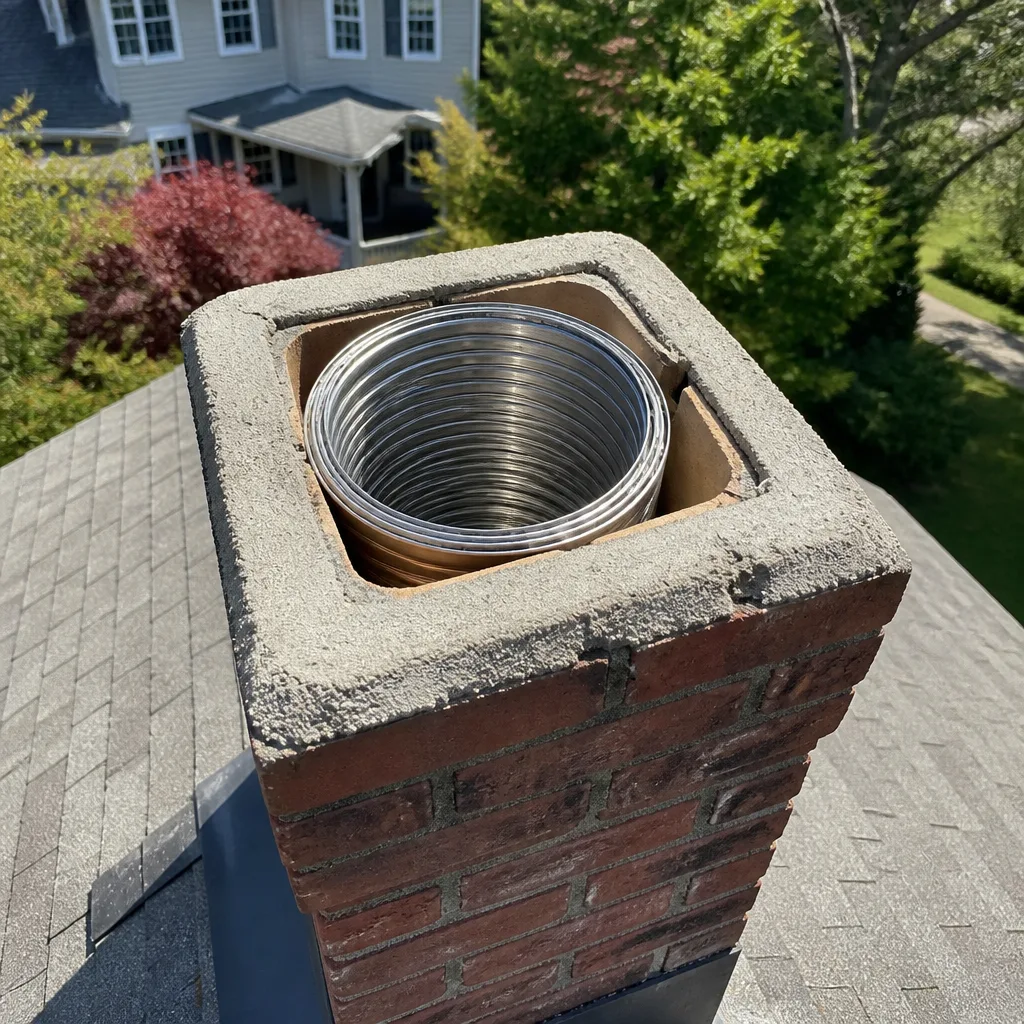 Flue relining
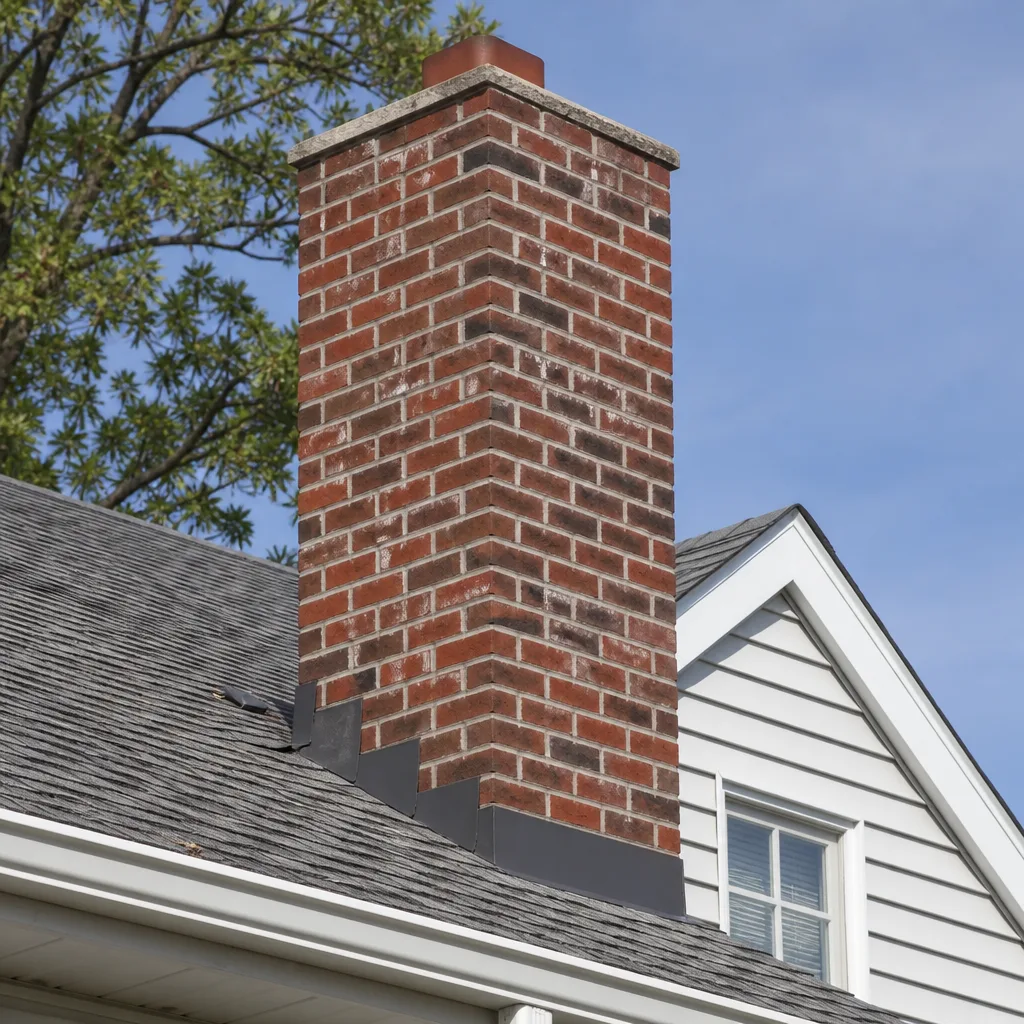 Masonry repair
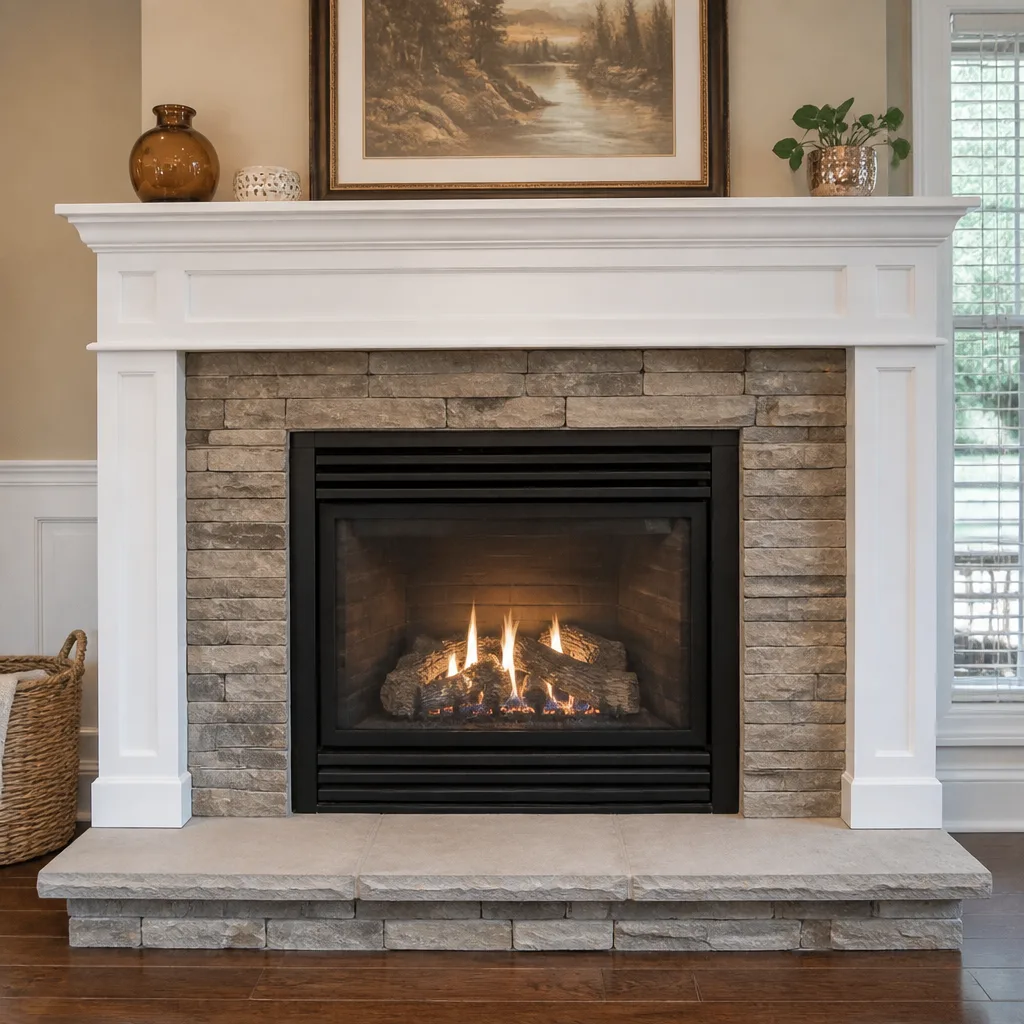 Gas fireplace service
Level 1 sweep and inspection to the NFPA 211 annual standard - flue, crown, cap, and flashing checked and photographed
Chimney sweep logs do not sweep chimneys. They loosen some creosote - which then falls where a brush and vacuum still have to collect it.
How to Hire a Chimney Cleaning Contractor in San Pedro: A Step-by-Step Guide
In California, nothing stops someone from buying a brush set and calling themselves a chimney sweep. No license exam, no apprenticeship requirement, no proof of training. The credential that separates a trained technician from an opportunist is CSIA certification. Most homeowners in San Pedro have never heard of it, and that knowledge gap is exactly what unqualified operators count on. This guide gives you the filters, the questions, and the red flags to spot before you let anyone near your flue. It will show you exactly how to hire a chimney sweep with the training, insurance, and documentation to do the job safely.
Quick Answer
Hire a chimney cleaning contractor in San Pedro by verifying CSIA certification on the CSIA website, confirming they carry general liability and workers’ compensation insurance, and asking five specific questions about camera inspection, liner access, findings policy, disposal, and quote structure before you book. A legitimate estimate will include a written report and line-item pricing, not a flat “$49 special.” Comparing a sweep-only contractor against a full-service chimney company matters because a contractor who also repairs liners has no incentive to hide problems.
Styles & brands we work with
- Sweep & inspection
- Caps & crowns
- Flue relining
- Masonry repair
- Gas fireplace service
Table of Contents
- What CSIA Certification Actually Means and How to Verify It
- The Five Questions to Ask Before Booking
- Red Flags in Ads, Quotes, and First Contact
- How to Compare Quotes Apples-to-Apples
- Why Hiring a Full-Service Chimney Company Matters
- Insurance, Paperwork, and What Should Be in Writing
- Chimney Work in San Pedro: What Local Conditions Actually Change
- Common Mistakes to Avoid
- When to Call a Professional
- Frequently Asked Questions
What CSIA Certification Actually Means and How to Verify It
CSIA stands for the Chimney Safety Institute of America. A contractor who holds this certification has passed a written exam covering chimney codes, clearances, combustion principles, and inspection procedures. They have also agreed to follow a code of ethics. It is not a lifetime badge. Technicians must recertify every three years through continuing education or re-examination.
Here is what CSIA certification does not mean. It does not mean the company is licensed by the state of California, because California does not issue a specific chimney sweep license. It does not mean the technician is insured. Those are separate checks. What it does mean is that the person on your roof or at your fireplace has been tested on the technical knowledge that prevents house fires and carbon monoxide problems.
Verifying a CSIA credential takes about sixty seconds. Go to the CSIA website, open the “Find a Certified Professional” search tool, and enter the company name or the technician’s name. If nothing comes up, ask the company directly for the technician’s CSIA number. A legitimate certified sweep will give it to you without hesitation. In our experience, the companies that get defensive about this question are the ones that do not hold the credential.
Why does this matter more than a business license in San Pedro? Because a business license only proves someone paid a fee to operate. It says nothing about whether that person knows how much clearance a wood stove needs from combustible framing, or how to identify a cracked flue tile behind a layer of soot. CSIA certification is the closest thing this industry has to a competency test.
The Five Questions to Ask Before Booking
These five questions will expose more about a chimney contractor in two minutes than an hour of reading their website. Ask them on the phone, before you agree to a visit.
- Do you inspect the liner with a camera, and is the inspection included in the sweep price? A brush removes soot. A camera sees the cracks, gaps, and deterioration behind it. Any contractor who charges extra for a camera inspection, or does not do one at all, is cleaning blind. You would not pay a mechanic to change your oil and skip looking at the engine.
- What happens if you find a problem during the sweep? The answer should be simple: you get a written report with photos, and a recommendation, and the decision is yours. If the answer is vague or pushes you to make a decision on the spot, that is a sales operation, not an inspection.
- Do you carry general liability and workers’ compensation insurance, and can I see the certificates? If a worker gets hurt on your property and the company has no workers’ comp, you can be dragged into a claim against your own homeowners policy. General liability protects you if the work damages your home. A professional will email you the certificates before the appointment.
- How do you dispose of the creosote you remove? Creosote is a hazardous byproduct of wood burning. It should be bagged, sealed, and disposed of according to local waste rules, not dumped in your yard waste bin or left in a pile by the curb. This question is a knowledge test. The right contractor answers it without pausing.
- What does your written estimate look like? A real estimate for chimney cleaning has line items: sweep, inspection, disposal, any replacement parts. If the quote is a single number scrawled on a business card, keep looking. The written estimate is what protects you later.
Chimney Sweep San Pedro answers all five of these questions the same way every time, because they are the questions a trained professional expects to hear.
Red Flags in Ads, Quotes, and First Contact
Most bad hires announce themselves early. You just have to know what to listen for.
- “Whole house inspection for $49.” A chimney sweep is a specialized trade, not a loss leader for a larger upsell. This price means the person is coming in to find problems to sell you, and the problem is often invented or exaggerated. Legitimate sweeping in San Pedro costs what it costs because it requires training, insurance, and proper equipment.
- No written report offered. You should always leave the appointment with documentation of what was found and what was done. No report means no accountability. If something goes wrong months later, your memory against theirs is not a strong position.
- Pressure to buy a liner replacement on the first visit, without camera documentation. A liner replacement is a significant expense. A legitimate contractor will show you the camera footage, point to the specific defect, and let you think about it. Pressure to sign that day is a sales tactic, not a safety recommendation.
- A quote that is much lower than everyone else’s. This is not always a red flag, but when it is, the difference usually comes from somewhere specific: no insurance, no camera, no training, or no intention of doing a thorough job. Ask the five questions above and see what happens.
- A truck with no company name, or a company with no physical address. Who are you actually letting into your home? A real business has a verifiable identity. You should be able to search the company name and find a website, a phone number, and a person who answers.
How to Compare Quotes Apples-to-Apples
Two quotes for chimney cleaning in San Pedro can look similar as numbers and be completely different jobs. Here is how to line them up correctly.
A legitimate chimney cleaning estimate should include these line items:
- Sweep of the flue with the correct brush size and type for your liner
- Camera inspection of the full liner, top to bottom
- Creosote disposal as a separate or stated included cost
- Written report with photos and any recommendations
- Parts and materials, if any are replaced during the visit, itemized
What is often hidden in a lower quote:
- Camera inspection billed separately, or not done at all
- Disposal fees that appear only on the final invoice
- An unstated assumption that the flue is “easy” and will not need a second visit
- No report, so no documentation of what was cleaned or found
- Parts quoted at vague “TBD” prices that balloon after the work starts
When you compare two estimates, do not just compare the bottom line. Put them side by side and see which one actually lists the scope of work. A bare number is not a quote; it is a guess. The company that itemizes is the company that knows what the job is, and that is the company you want on your roof.
Why Hiring a Full-Service Chimney Company Matters
A sweep-only contractor has no financial reason to find problems they cannot fix. Think about that for a second. If someone makes their living purely from cleaning chimneys, and they encounter a cracked flue tile or a liner that is starting to separate, they have two options: tell you about it and refer you to someone else, or ignore it and move on to the next easy job. Some will tell you. Many will not, because finding the problem makes their day longer and does not make them a dollar.
A company that also does repairs has the opposite incentive. Finding a problem means they can fix it, and fixing it properly is part of their revenue. They are not doing you a favor by finding the issue. They are doing their job.
This is also where the distinction between cheap parts and professional-grade materials shows up. A full-service chimney company is more likely to stock and install products like DuraFlex flexible liner systems for relining damaged or offset flues, or use HeatShield ceramic resurfacing to extend flue life without a full reline. These are not products a sweep-only operator keeps on the truck, because a sweep-only operator is not doing relines. When the repair becomes necessary, you have already built a relationship with a company that has the access, the parts, and the training.
We have seen homeowners save a little money on a budget sweep, then end up calling us a year later because the $49 job never actually cleaned above the smoke shelf. The camera does not lie. If you want the full picture, hire a company that is equipped to act on it.
Insurance, Paperwork, and What Should Be in Writing
Before any contractor steps onto your property, you should have three documents in hand:
- Certificate of general liability insurance. This covers damage the contractor might cause to your home during the work. The certificate should name the company, the policy effective dates, and the coverage limit. It should come from the insurance agent or broker, on the agent’s letterhead, not typed up by the contractor.
- Certificate of workers’ compensation insurance. This covers injuries the technician might sustain on your property. Without it, the worker’s medical claim can land on your homeowners policy. Do not skip this one. In California, worker injury claims are expensive, and no certificate means you are the backstop.
- Written estimate. The estimate should describe the scope of work, the price, and the parts included. It should be clear enough that you could hand it to another contractor and they would know exactly what was promised. Estimates are free. The written estimate is what sets the final price.
Anything promised verbally should be reflected in the written estimate before you sign. “Oh, we will also check the smoke shelf” means nothing unless it is written down. Paper is how professionals communicate. It protects both parties.
In San Pedro, many homes have fireplaces that have been used for decades, which means soot and creosote buildup in places newer homes might not have. A thorough contractor has seen all of it. That experience is part of what you are paying for, and the paperwork should reflect the thoroughness of the job.
Chimney Work in San Pedro: What Local Conditions Actually Change
San Pedro has a mild coastal-adjacent climate. Winters are not severe. What this means for chimney maintenance is that the freeze-thaw cycles and heavy snow loads that damage chimneys in other states are not a factor here. The local living habits are what drive most of the work.
Wood-burning fireplaces in San Pedro tend to be used seasonally, not eight months a year. That means creosote accumulates differently. A fireplace that sits unused through spring and summer does not stay clean; it stays static, and whatever is in the flue stays there, drying and hardening. Glazed creosote, the hard, shiny, tar-like form that is most difficult to remove and most likely to fuel a chimney fire, forms more readily when creosote sits undisturbed for months. This is a real pattern we see in San Pedro homes.
Gas inserts are common here too. A gas insert still needs annual inspection, because the venting system can become blocked by debris, and gas appliances produce carbon monoxide. A blocked gas vent is not a less serious problem than a dirty wood flue. It is a different problem with a possibly more dangerous consequence, because carbon monoxide is odorless.
The other San Pedro-specific factor is the housing stock. Many homes in the area were built in the mid-century, which means original clay tile liners that are now seventy or more years old. Clay tiles crack. They separate. They allow heat and gases into places they should not go. If you own one of these homes, the camera inspection matters more, not less, because the liner is most likely original.
None of this changes the hiring process. It just means the stakes are higher. A trained technician who has worked on San Pedro fireplaces for years knows what to look for in a mid-century clay liner. A discount operator with a brush set does not.
Common Mistakes to Avoid
- Hiring on price alone. A chimney cleaning is not a commodity like gasoline. The difference between a $99 sweep and a properly done job is the camera, the training, the insurance, and the report. Choosing the cheapest quote often means paying again for a proper job later.
- Skipping the insurance check. We said it before, but it bears repeating: no workers’ comp certificate, no appointment. This is a non-negotiable step for any work on your property, and chimney work is no exception.
- Assuming a handyman can do the job. A general handyman who is good at drywall and painting is not automatically qualified to inspect a chimney liner. Chimney work has its own code requirements, fire clearances, and safety procedures. It is a specialized trade.
- Waiting until you smell smoke to call. The whole point of annual maintenance is to find problems before they become emergencies. By the time you smell smoke indoors or see soot stains on the wall, the problem has progressed.
- Not asking what happens if they find something. This question, asked before the appointment, tells you whether the contractor sees themselves as a cleaner or an inspector. You want the latter.
- Ignoring the dryer vent. Dryer vents are chimney work too. A clogged dryer vent is a leading cause of house fires. A full-service chimney company can often handle dryer vent cleaning in the same visit, which means one appointment instead of two.
- Not keeping the written report. Your chimney inspection report is documentation. Keep it. If you sell the home, it shows the fireplace was maintained. If there is ever an insurance question, it shows you did your part.
When to Call a Professional
Call a professional if your fireplace has not been inspected in over a year, if you are buying a home with a fireplace of unknown maintenance history, or if you notice any of these: a strong odor from the fireplace even when it is not in use, visible soot falling into the firebox, white staining on the exterior masonry, or a fire that seems to burn poorly or smoke into the room. These are not normal. They are signals that the venting system is not working the way it should.
If everyone in the household used the fireplace last winter and no one remembers when it was last swept, book the appointment. That is the simplest rule of all.
San Pedro homeowners can reach Chimney Sweep San Pedro at (833) 576-1522 for a free estimate. We answer 24/7. Fast dispatch from 7am to 7pm, Sunday through Friday.
Frequently Asked Questions
A chimney cleaning in San Pedro typically falls in a range that reflects the size of the flue, the amount of creosote buildup, and whether a camera inspection is included. Expect a legitimate sweep with inspection and report to cost more than the $49 or $99 promotional specials you see online. The written estimate sets the final price. Call (833) 576-1522 for an exact quote, estimates are free.
A wood-burning fireplace should be swept at least once per year, or more often if you burn fires frequently or use unseasoned wood. Gas fireplaces should be inspected annually even though they produce no creosote, because the venting can become blocked. The National Fire Protection Association recommends annual inspection of all chimneys, regardless of fuel type.
Yes. The camera inspection is the only way to see the condition of the flue liner from top to bottom. A brush removes surface soot; it does not reveal cracked tiles, separated mortar joints, or deteriorating liner sections. Any contractor who tells you the camera is unnecessary is telling you they do not want you to see what is in there.
If you skip it for a year, creosote continues to accumulate. If you skip it for several years, the creosote can reach a thickness and density that becomes a serious fire risk. Glazed creosote is extremely difficult to remove once it forms, and it can require chemical treatment or more invasive methods. The cost of neglect is always higher than the cost of maintenance.
That depends on what the camera shows. Minor gaps and cracks can sometimes be addressed with a system like HeatShield, which resurfaces the existing flue without removing the old liner. More severe deterioration requires a full reline, often with a DuraFlex flexible liner system. The decision comes down to the extent of the damage, and you should never be pressured to choose on the spot. A written report with photos is what gives you the information to decide.
The most important credential is CSIA certification, verified on the CSIA website. The company should also carry general liability and workers’ compensation insurance, and be willing to show you the certificates. A business license is not a competency credential. Ask for all three before you book.
The Bottom Line
Hiring a chimney cleaning contractor in San Pedro comes down to verification, not vibes. Verify the CSIA certification. Verify the insurance. Ask the five questions. Get everything in writing. The difference between a professional and an opportunist shows up quickly when you ask the right questions, because the professional has answered them hundreds of times and the opportunist has not. A clean chimney is not a luxury; it is fire protection for the house you live in. Take the time to hire someone who actually knows the difference between a brush and an inspection.
Call Chimney Sweep San Pedro at (833) 576-1522 for your free estimate. We answer 24/7. Fast dispatch from 7am to 7pm, Sunday through Friday.
Written by the team at Chimney Sweep San Pedro, serving San Pedro since 2016.
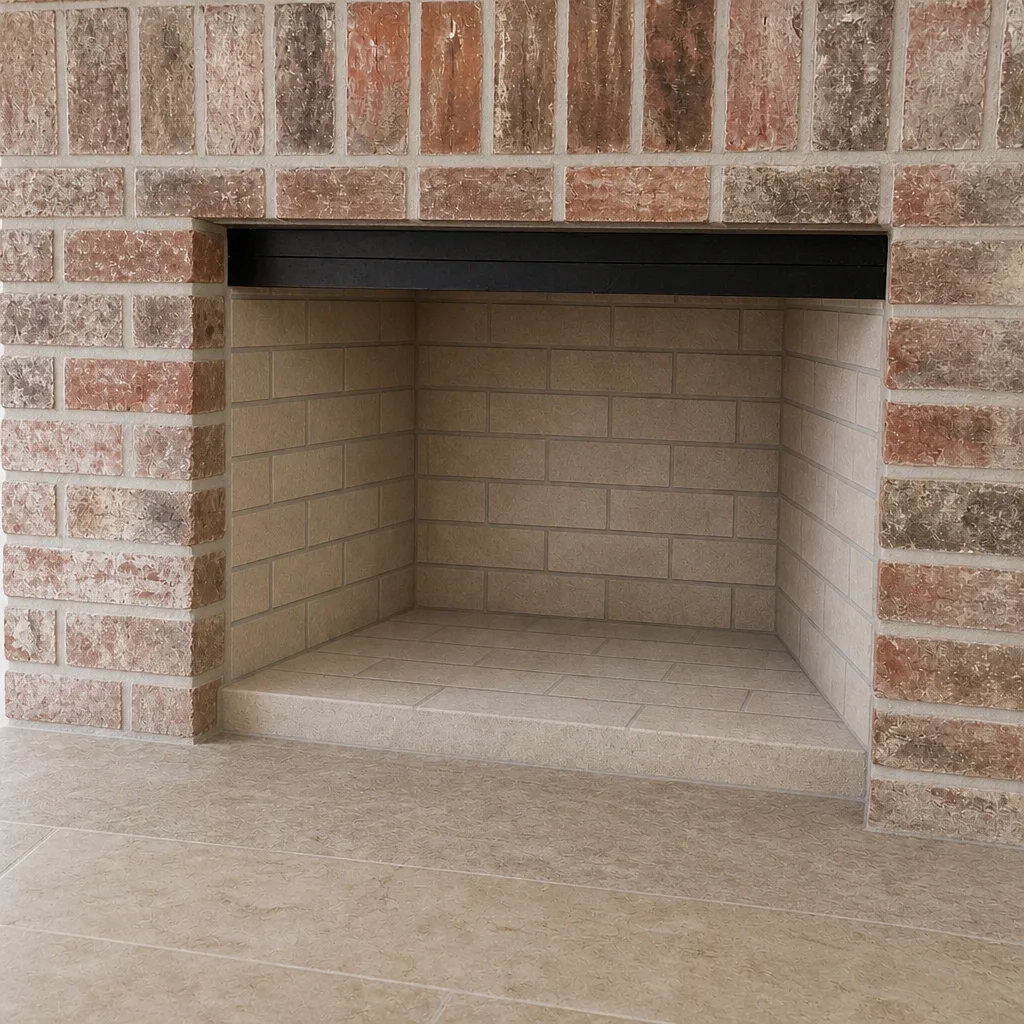
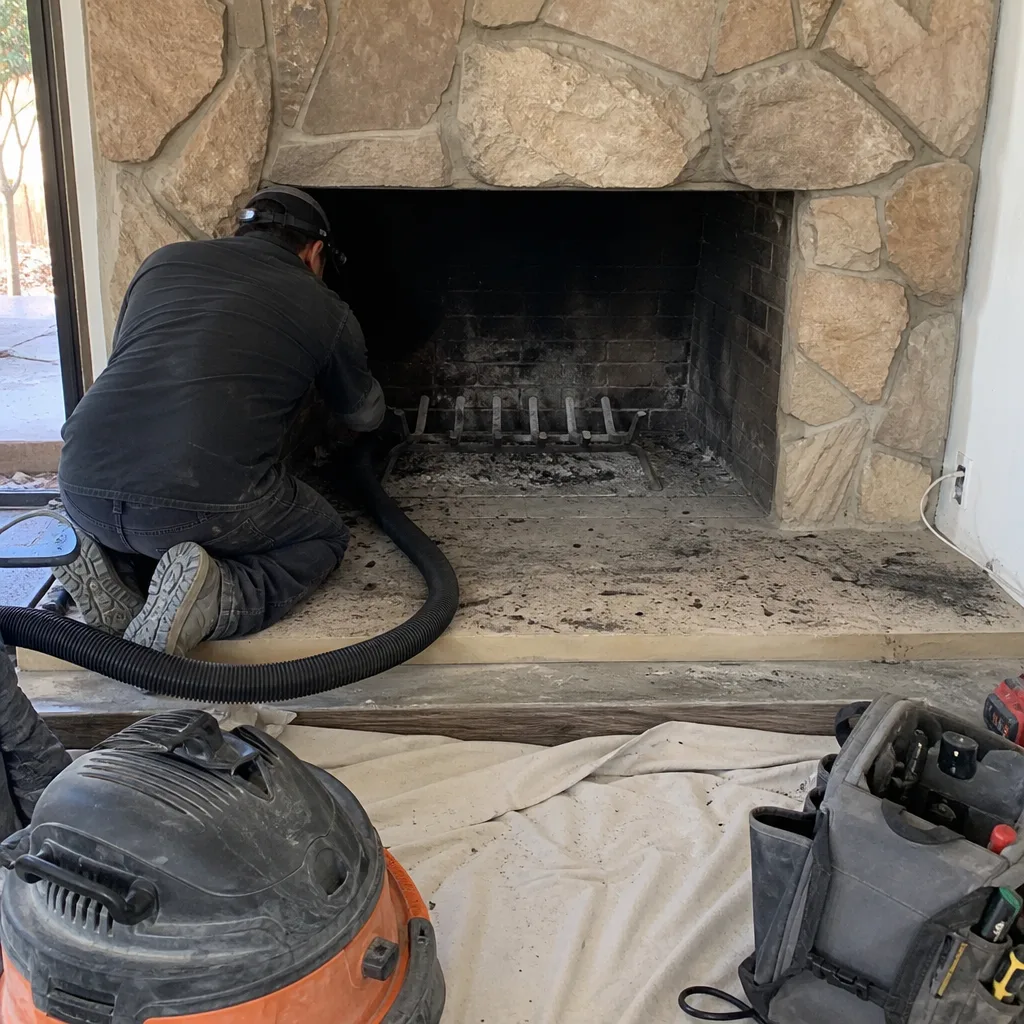
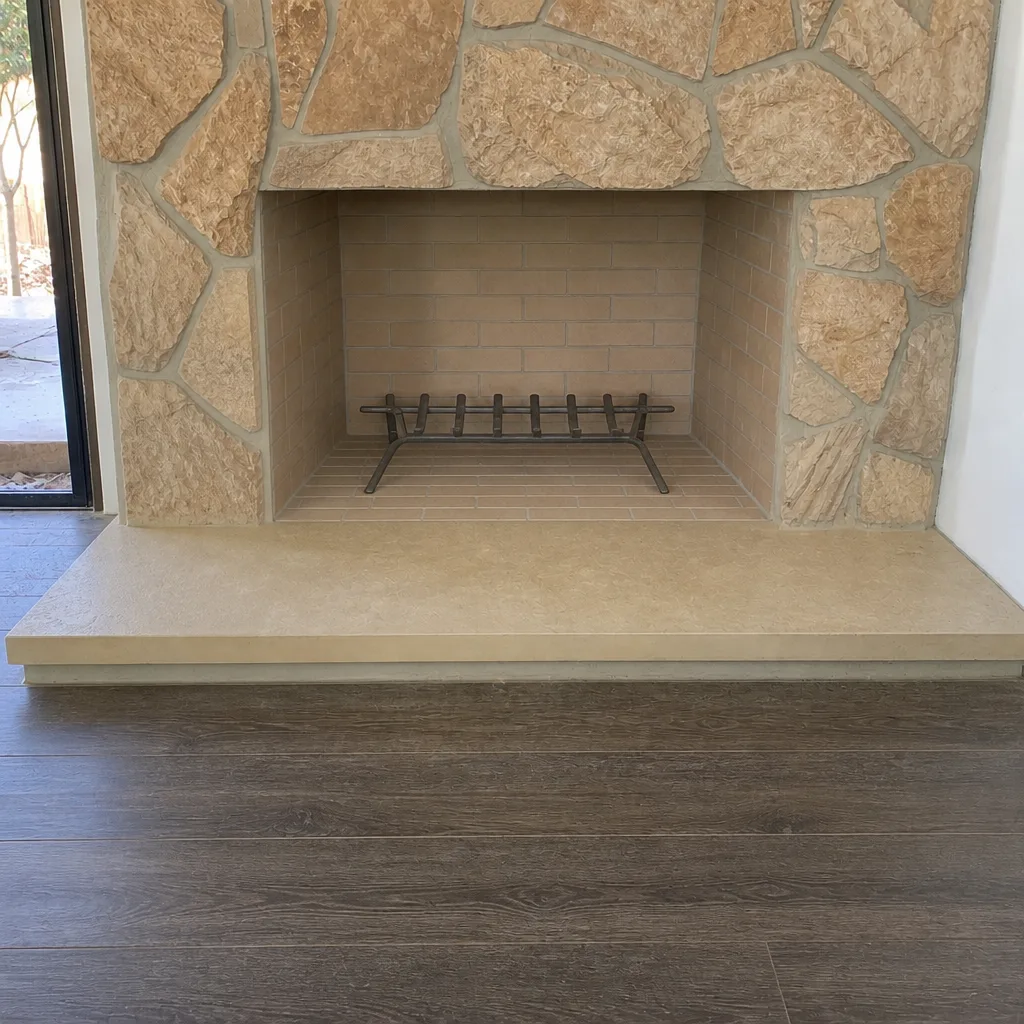
See the difference
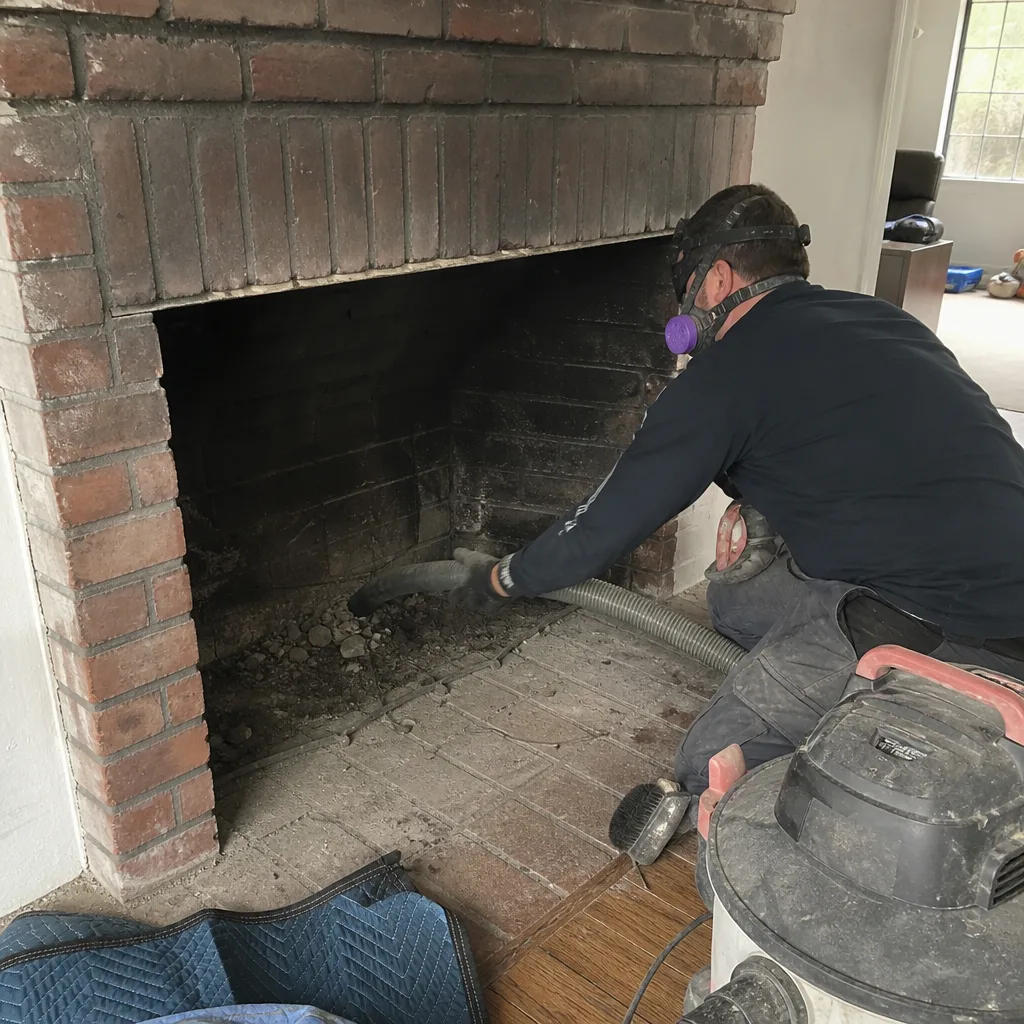 Before
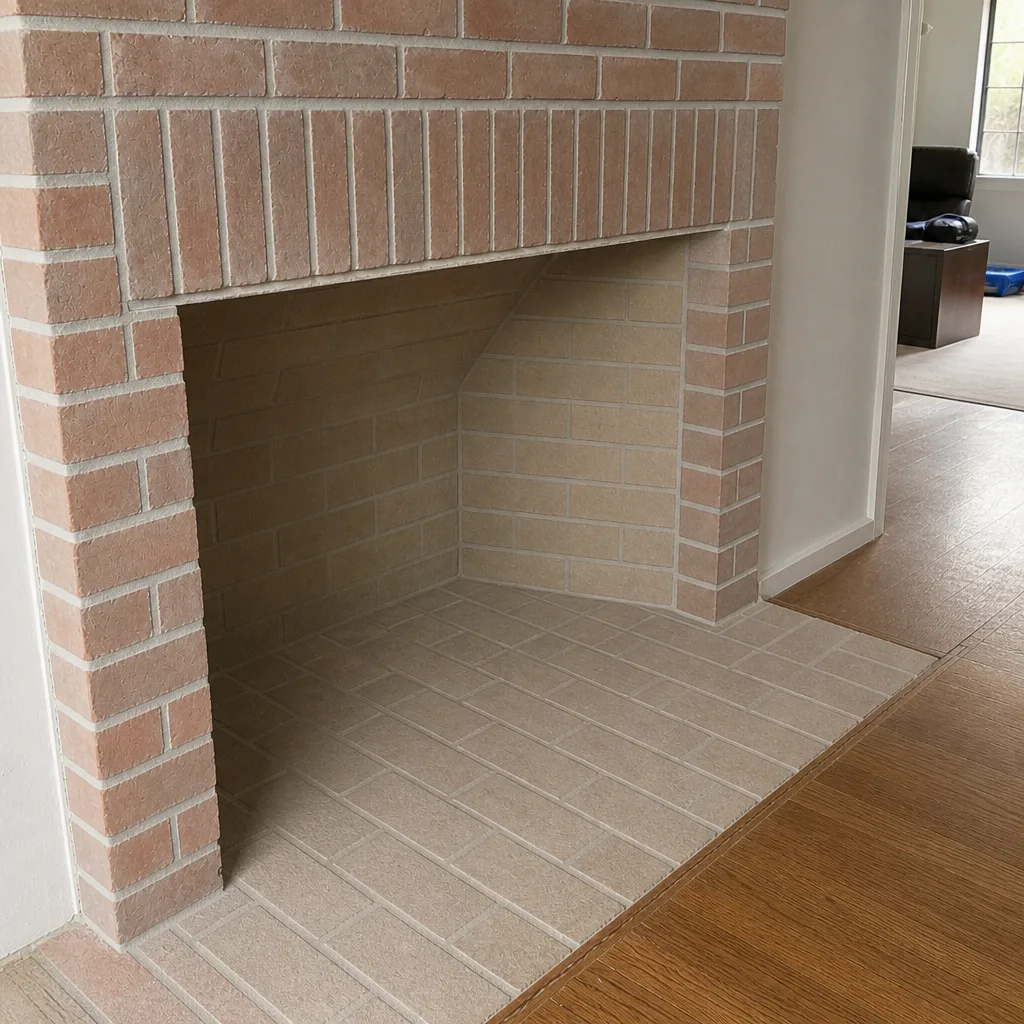 After
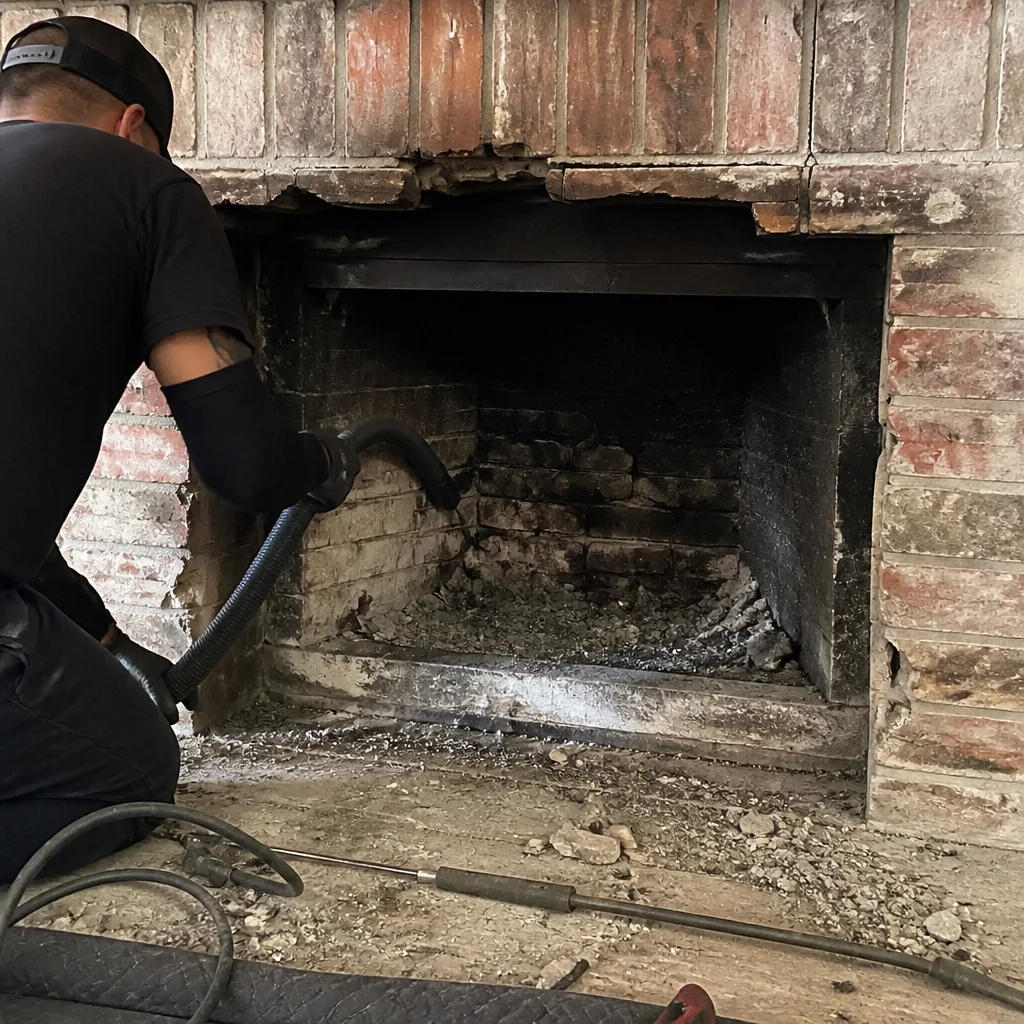 Before
 After
 Before
 After