
Last updated November 4, 2026
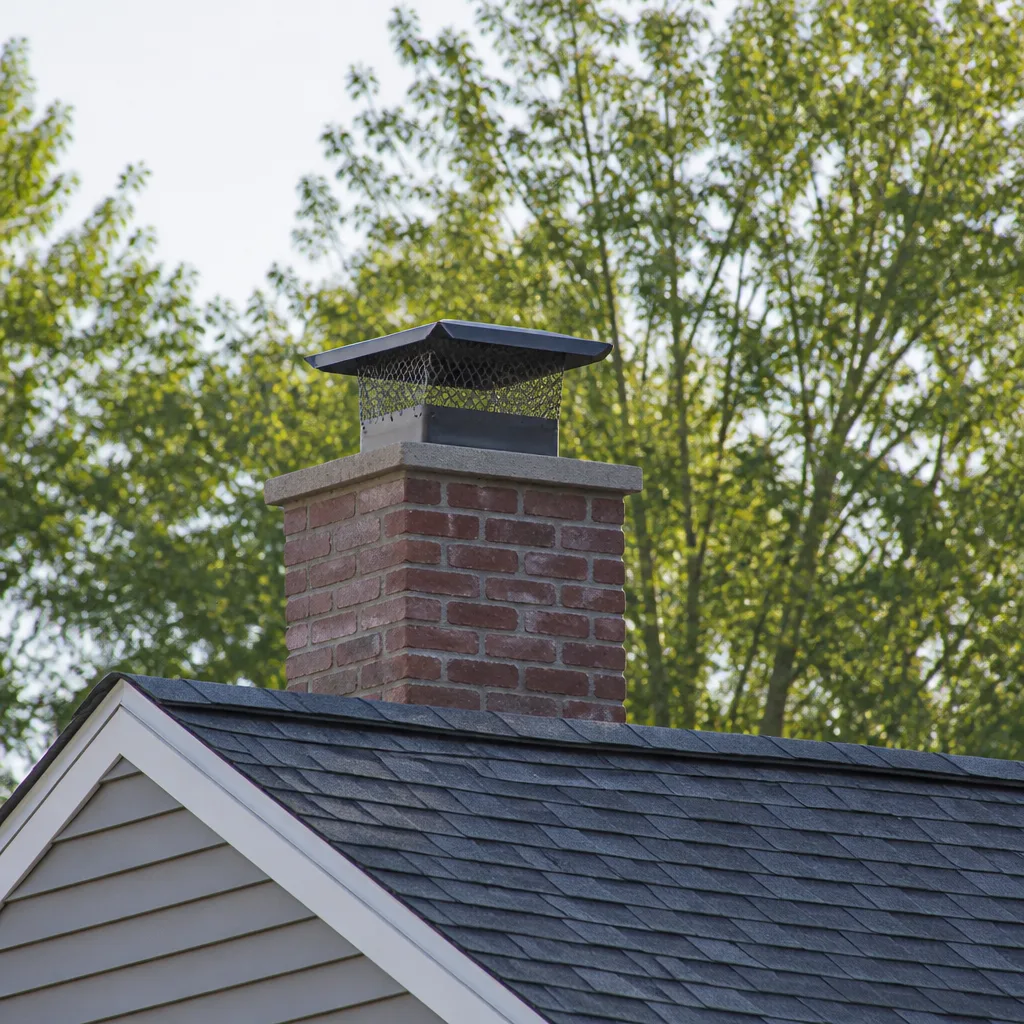 Sweep & inspection
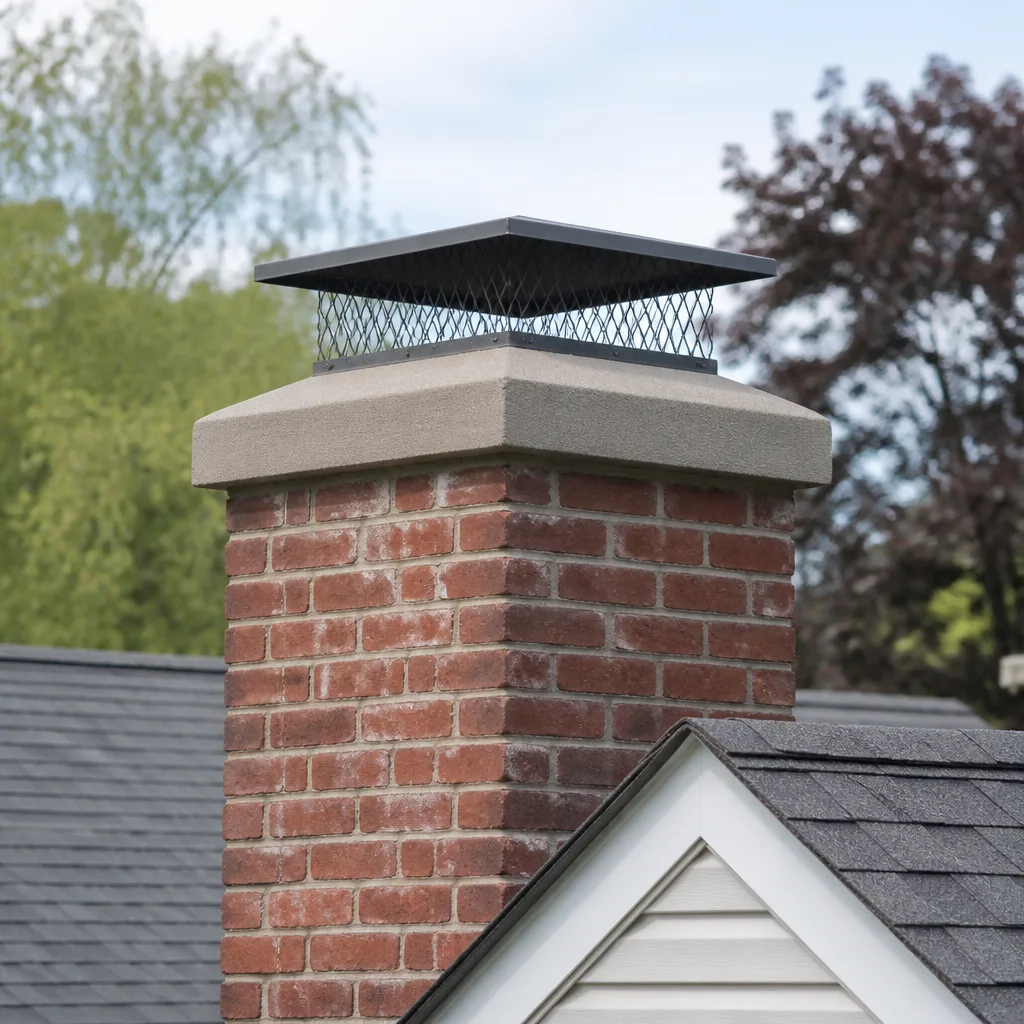 Caps & crowns
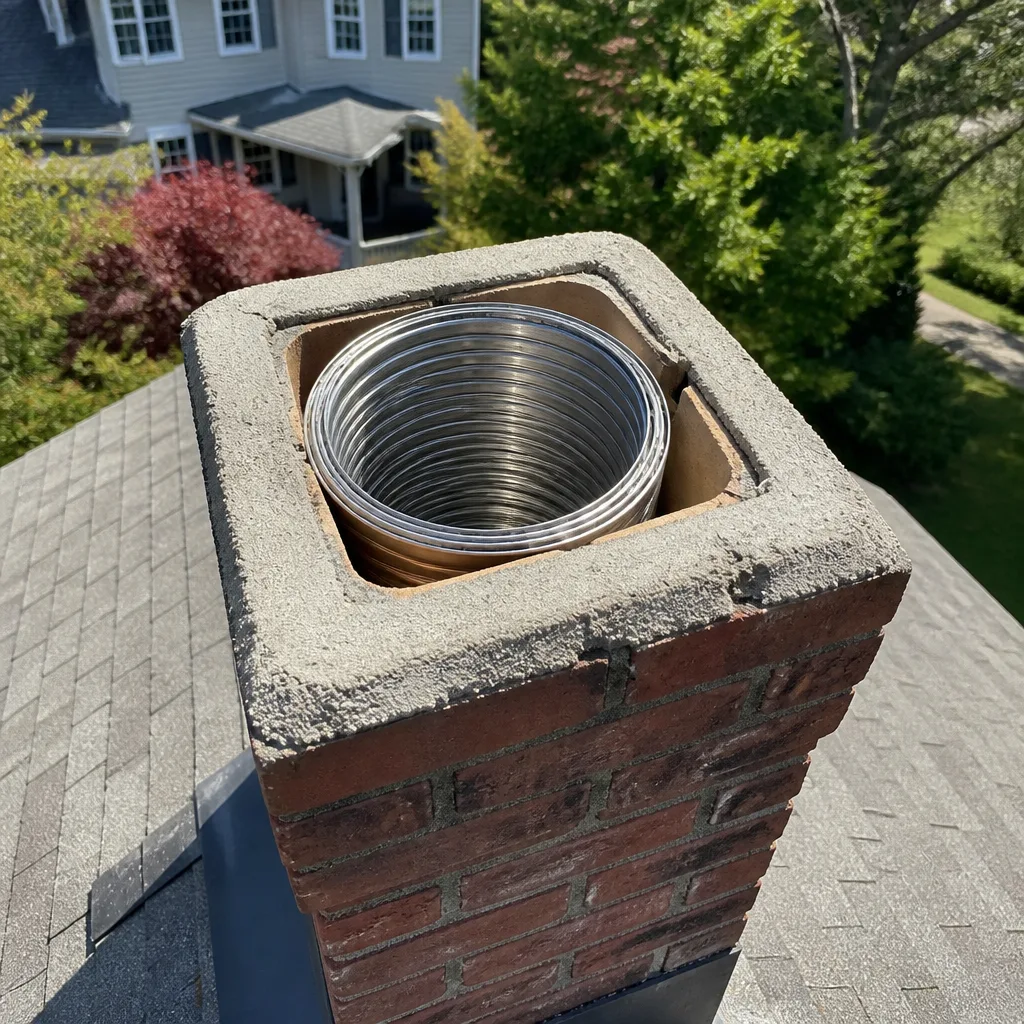 Flue relining
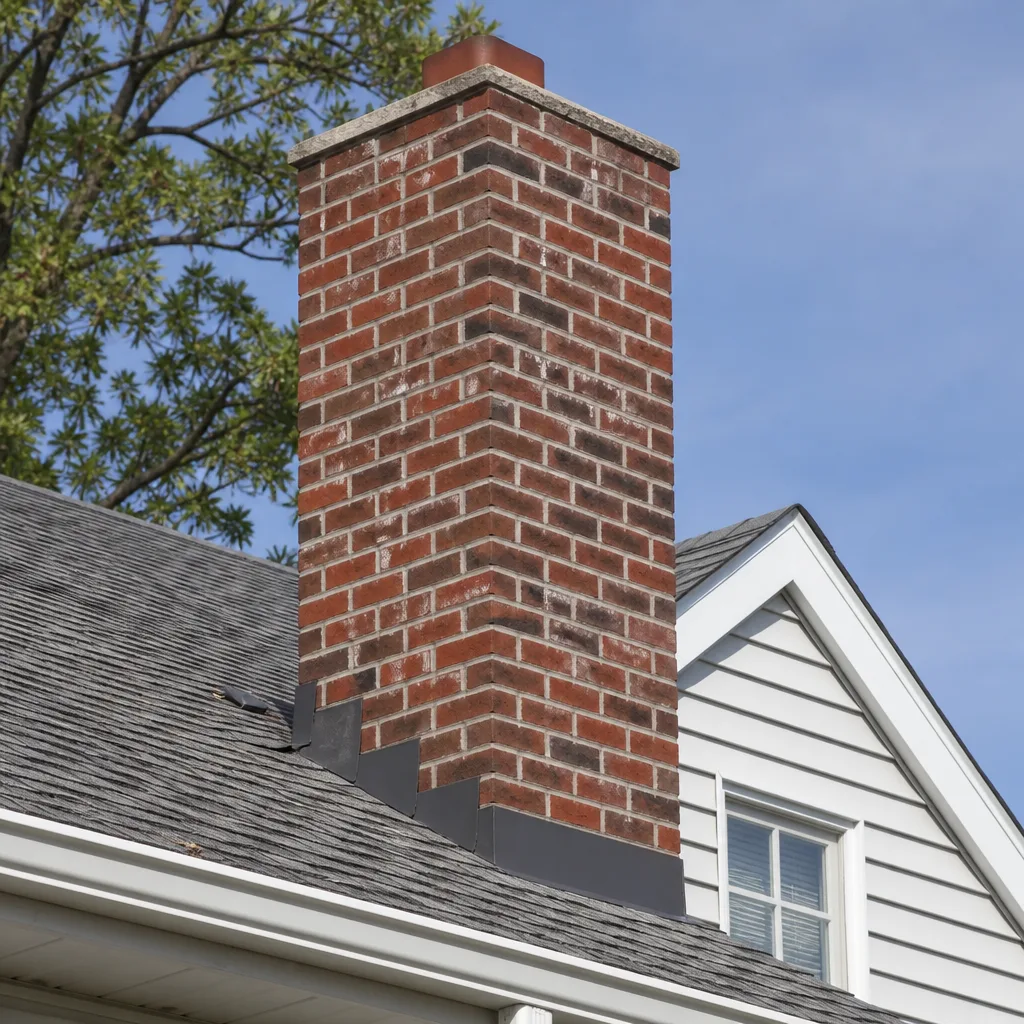 Masonry repair
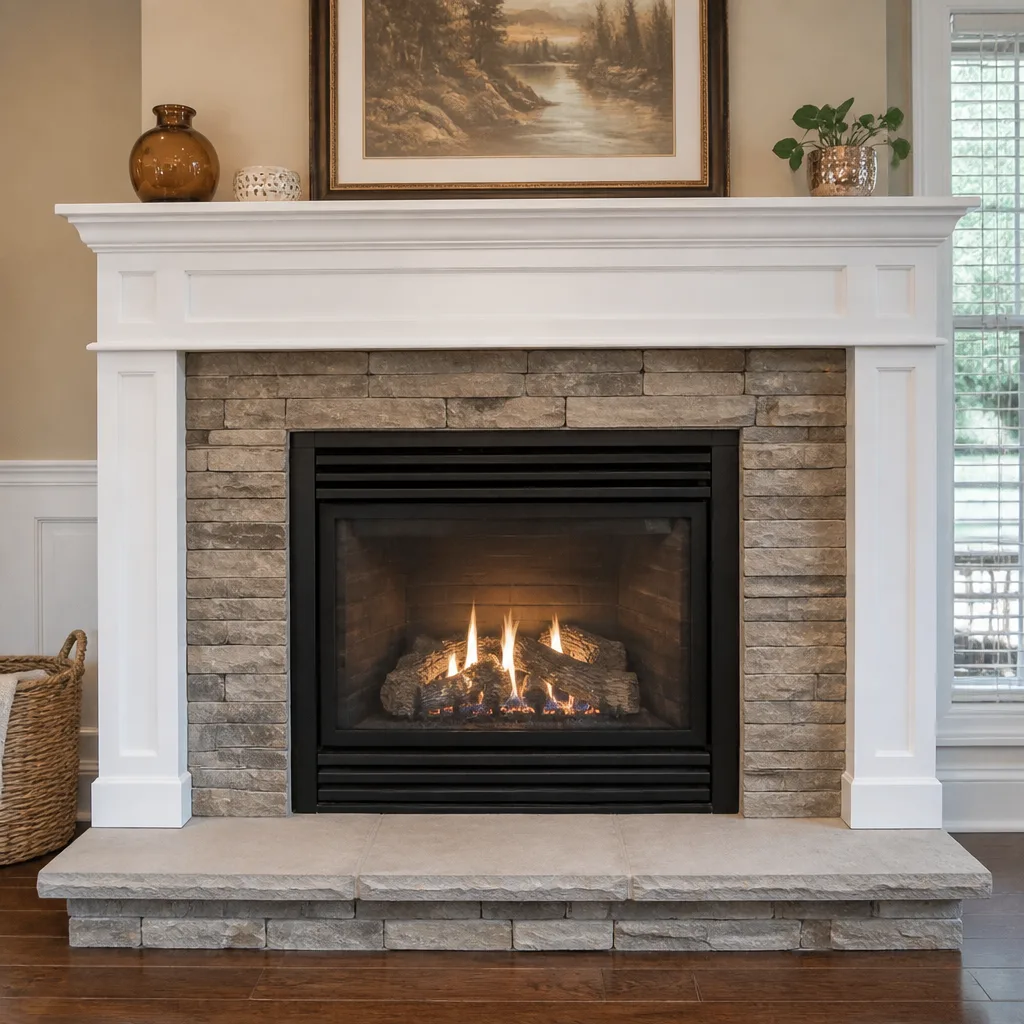 Gas fireplace service
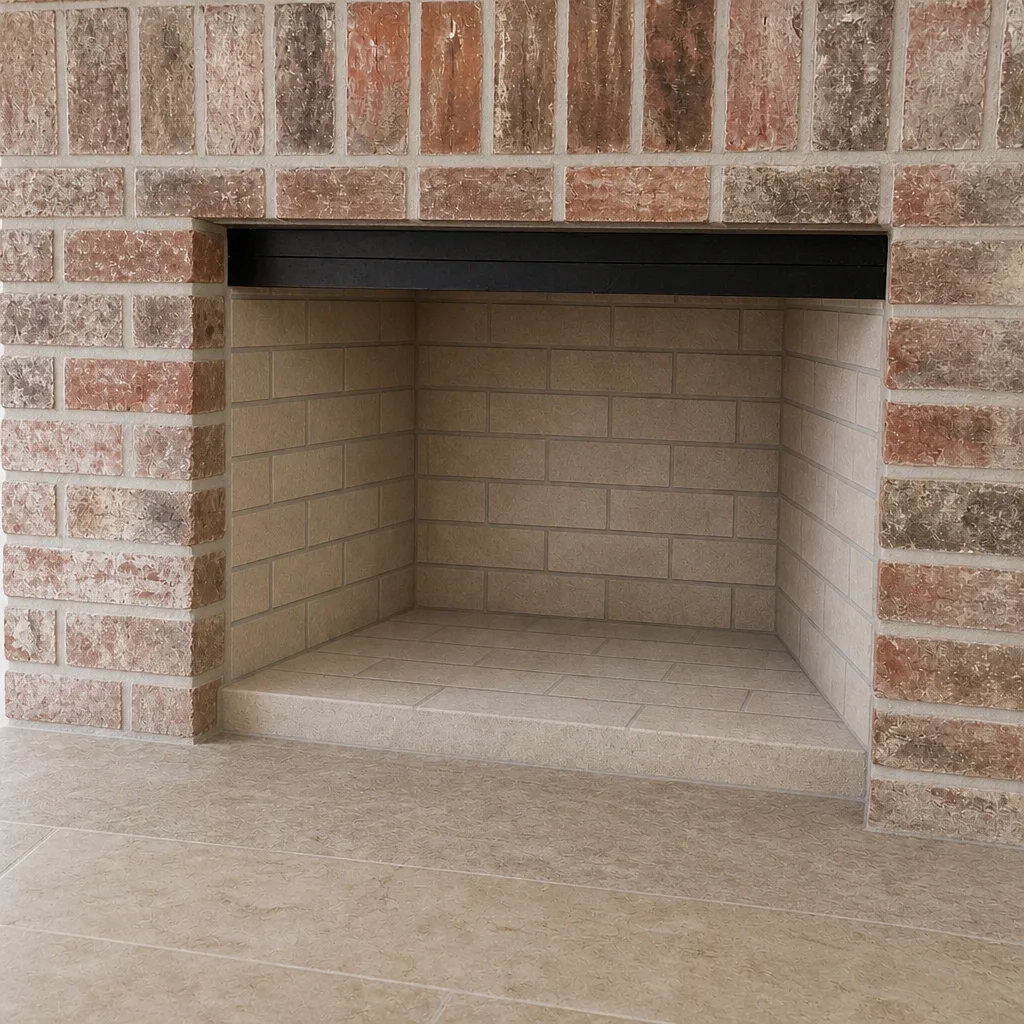
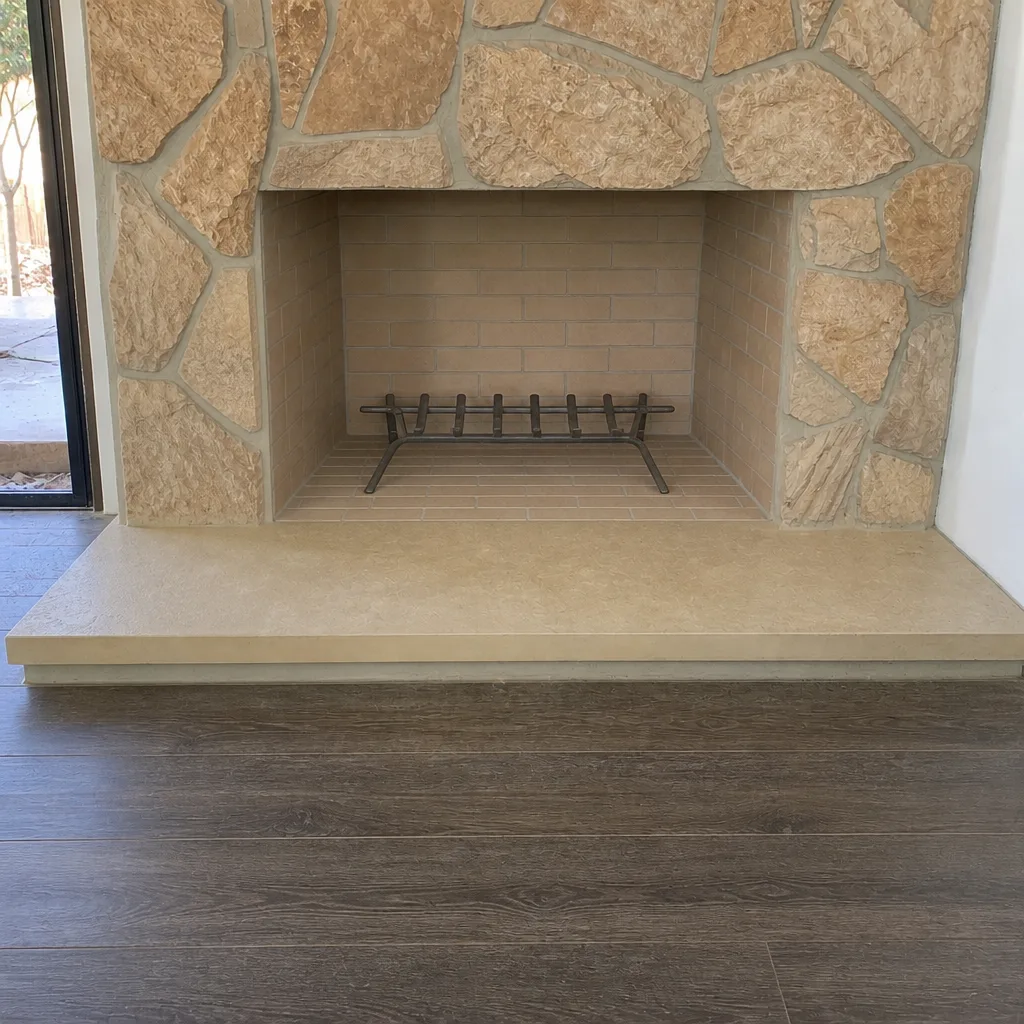
Level 1 sweep and inspection to the NFPA 211 annual standard - flue, crown, cap, and flashing checked and photographed
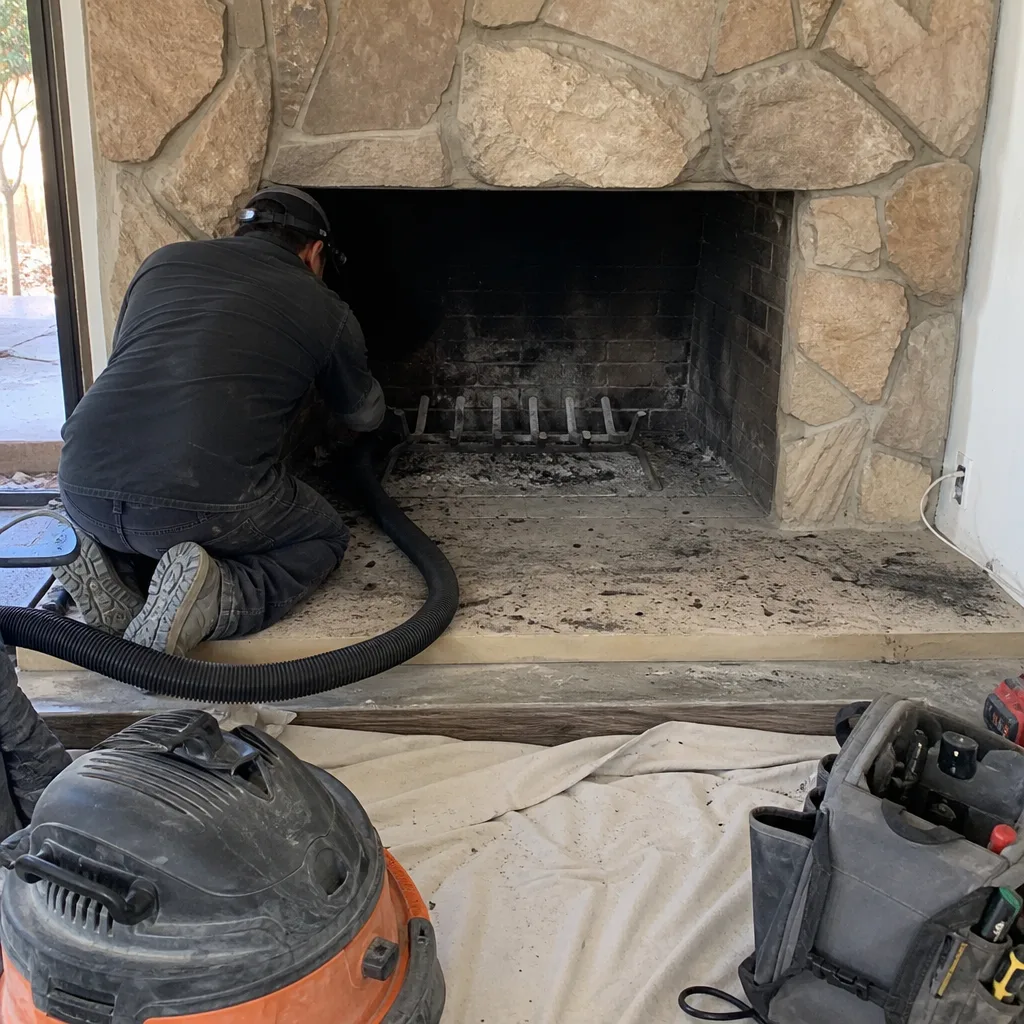
Chimney sweep logs do not sweep chimneys. They loosen some creosote - which then falls where a brush and vacuum still have to collect it.
Chimney Cleaning Permits, Codes & Inspections in San Pedro, CA: What You Need to Know
Most San Pedro homeowners assume a chimney sweep never requires a permit, and for the basic cleaning, they’re right. But the moment a technician discovers a cracked liner or a deteriorated firebox and recommends repair work, California building codes step in with real permit requirements. That distinction catches people off guard during home sales, insurance claims, and even routine refinancing when an inspector flags unpermitted work hidden inside a flue. This guide walks through exactly which chimney services in San Pedro are permit-exempt, which ones trigger Los Angeles County building permits, and what codes inspectors actually enforce.
Quick Answer
Routine chimney sweeping and visual inspections in San Pedro do not require a building permit under LA County code. However, chimney liner replacement, firebox rebuilds, and gas appliance venting changes tied to a chimney generally do require a permit, and the work must meet California Mechanical Code Section 802 and NFPA 211 standards. A Level 2 inspection documents condition and is legally required in specific situations like real estate transfers or after a chimney fire.
Styles & brands we work with
- Sweep & inspection
- Caps & crowns
- Flue relining
- Masonry repair
- Gas fireplace service
Table of Contents
- Which Chimney Services Are Permit-Exempt in San Pedro
- Which Chimney Services Require a Building Permit
- California Mechanical Code Section 802 and Your Chimney
- NFPA 211: The Standard Inspectors Actually Use
- What a Level 2 Inspection Is and When It’s Required
- How to Confirm a Contractor Is Actually Pulling Permits
- Common Mistakes to Avoid
- When to Call a Professional
- Frequently Asked Questions
Which Chimney Services Are Permit-Exempt in San Pedro
A standard chimney sweep in San Pedro falls squarely into the maintenance category. Los Angeles County does not require a building permit for cleaning out creosote, soot, or debris from a flue, smoke chamber, or firebox. The same applies to a visual chimney inspection, whether it’s a basic Level 1 check or a camera-scope evaluation of the flue interior. These are non-structural, non-invasive services that don’t alter the venting system, so the county treats them the same way it treats changing a furnace filter or cleaning gutters.
We’ve seen homeowners in San Pedro neighborhoods like Vista del Oro and Miraleste Pines schedule sweeps every year or two without ever touching a permit counter. That’s correct and appropriate. The permit-exempt list also includes:
- Chimney cap installation and replacement when no structural modification is involved
- Dryer vent cleaning, including the transition duct behind the appliance
- Basic mortar crown sealing that doesn’t require demolition of the existing crown
- Damper repair or replacement when the damper frame remains in original position
- Creosote removal using standard mechanical brushing or rotary whip systems
The key distinction is whether the work changes how the chimney vents, how it’s supported, or how it contains heat. Cleaning and inspecting don’t change any of those things. Repairs that touch liner material, firebox masonry, or the structural flue tile absolutely do. That’s where San Pedro homeowners need to pay attention.
Which Chimney Services Require a Building Permit
Liner work is the biggest permit trigger most San Pedro homeowners encounter. When a Chimney Sweep San Pedro technician finds a cracked clay tile liner or deteriorated mortar joints and recommends a new liner, LA County considers that a structural modification to the venting system. Installing a DuraFlex flexible liner system, for example, changes the flue’s cross-section, material composition, and connection points at the appliance. That requires a permit.
The same applies to firebox rebuilds. If the firebrick inside a wood-burning fireplace has broken down to the point where the firebox floor or walls need reconstruction, the county wants a permit because the firebox is part of the fire-resistive assembly that protects the home’s framing. Partial firebrick replacement in small sections can sometimes fall under maintenance, but a full firebox rebuild will not.
Here’s the practical breakdown of permit-required chimney work in San Pedro:
- Chimney liner replacement or installation: Requires a permit, whether it’s a rigid stainless liner or a flexible DuraFlex system for an offset or damaged flue.
- Firebox rebuild or major firebrick replacement: Requires a permit because it alters the fire-resistive assembly.
- Smoke chamber parging or rebuild: Generally requires a permit when it involves removing damaged material and rebuilding the chamber.
- Gas log insert installation venting through an existing chimney: Requires a permit because it changes the appliance connection and venting configuration under the California Mechanical Code.
- Chimney removal or partial demolition: Requires a permit, including removing a chimney above the roofline while leaving the firebox in place.
- Structural crown replacement with formwork and new concrete: A full crown demolition and re-pour is structural work and triggers a permit.
The permit process in San Pedro goes through the Los Angeles Department of Building and Safety, which has a district office serving the Harbor area. A licensed contractor pulls the permit, schedules inspections as required, and closes out the permit once the work passes. Homeowners who do the work themselves as owner-builders can pull their own permit, but structural chimney work is not the place to learn masonry trade skills.
California Mechanical Code Section 802 and Your Chimney
California Mechanical Code Section 802 governs how venting systems connect to appliances, and it applies directly to any San Pedro home with a gas log insert, gas fireplace, or gas water heater venting through a chimney. The section sets requirements for vent connector sizing, clearance from combustible materials, slope of horizontal runs, and the materials allowed for venting different categories of appliances.
For a homeowner, the practical implication is simple: if a gas appliance ties into the chimney, the entire venting path has to meet code. That includes the connector pipe from the appliance to the flue, the transition at the chimney base, and the flue interior itself. A chimney that was perfectly functional for a wood-burning fireplace may not meet code once a gas insert goes in, because gas appliances vent differently and produce different condensation characteristics. The moisture from gas combustion can break down old terra cotta liners faster than wood smoke does.
The inspector reviewing a permit application for a gas insert will check the existing flue sizing against the appliance’s BTU input and the flue’s cross-sectional area. Undersized flues create backdrafting risk. Oversized flues cause condensation and liner deterioration. Both are code problems. When we install a new liner for a gas appliance in San Pedro, we’re often resizing the flue to match the appliance, not just replacing what was there. That’s the difference between doing the job to code and doing it to look done.
The relevant point for this guide: if your contractor never mentions Section 802 when proposing a gas insert installation or liner replacement, they’re either not pulling permits or they don’t understand what the inspector will be checking. Either way, the homeowner carries the liability.
NFPA 211: The Standard Inspectors Actually Use
NFPA 211 is the National Fire Protection Association’s standard for chimneys, fireplaces, vents, and solid fuel-burning appliances. While it’s not a law by itself, LA County and the California Mechanical Code reference it as the accepted industry standard. Insurance adjusters lean on it after a chimney fire. Home inspectors reference it during property transactions. Fire marshals cite it when a chimney-related ignition occurs.
The standard covers three levels of inspection. A Level 1 inspection is a visual check of accessible portions of the chimney without specialized tools. It’s what a sweep performs during a routine cleaning when nothing has changed about the system. A Level 2 inspection adds camera evaluation of the flue interior, attic portions, crawlspace areas, and the exterior chimney structure. A Level 3 inspection involves opening up building components to access concealed areas, which happens only after a fire or when Level 1 and Level 2 suggest serious hidden problems.
NFPA 211 also sets the rules for chimney clearances. A masonry chimney requires a 2-inch minimum air space between the exterior of the chimney and any combustible framing. A factory-built chimney carries its own listed clearance requirements. In older San Pedro homes, especially those built before the 1960s, we see missing clearances regularly. Framing timber goes right up against the chimney chase, and over decades the heat cycling starts to break down the wood. The buyer’s inspector flags it, the sale stalls, and suddenly the homeowner is navigating a repair they didn’t know they needed.
The standard also addresses chimney height and termination. A chimney must extend at least 3 feet above the point where it passes through the roof, and at least 2 feet above any structure within 10 feet horizontally. That requirement exists to keep the smoke from re-entering the home through ridge vents, gable vents, or nearby windows. In San Pedro’s hilly terrain, a neighbor’s roof can sit higher than yours, and their added dormer can suddenly create a code violation on your side of the fence.
What a Level 2 Inspection Is and When It’s Required
A Level 2 inspection is a camera evaluation of the entire flue interior, plus the accessible exterior portions of the chimney, the attic penetration, and the appliance connection. The technician runs a camera system up the flue and records the condition of the liner, the mortar joints, and any obstructions or separations. The homeowner receives a written report documenting what the camera found, usually with photos or video of problem areas.
There are three situations where NFPA 211 dictates a Level 2 inspection, and LA County generally enforces this standard through real estate and insurance processes:
- Real estate transfer: When a property in San Pedro changes hands, the buyer’s home inspector typically recommends a Level 2 chimney inspection if the home has a fireplace or wood stove. Some lenders now make it a condition of financing an older home with a masonry chimney. The Level 2 documentation becomes part of the sale file.
- After a chimney fire: A chimney fire produces temperatures far beyond what the liner was designed to handle. Even if the fire was contained and extinguished quickly, the terra cotta tiles may be cracked, the mortar joints dried out, or the flue’s structural integrity compromised. A visual check from below cannot rule out hidden damage. The Level 2 camera inspection is the only way to know whether the flue is safe to use again.
- After a seismic event: Southern California sees enough ground movement that the standard includes post-earthquake inspection. A chimney that looks fine from the outside may have shifted at the roofline or separated at the flue liner joints. The 1994 Northridge earthquake demonstrated what seismic movement does to unreinforced masonry chimneys, and the standard has reflected that reality since.
The documentation from a Level 2 inspection serves multiple purposes. It satisfies the buyer’s inspector during a sale. It gives the insurance adjuster something to evaluate after a claim. And it gives the contractor a baseline for planning repairs. If the Level 2 shows cracked flue tiles, the subsequent liner installation has a documented justification, which matters when the permit application asks why the work is being done.
How to Confirm a Contractor Is Actually Pulling Permits
A contractor who never mentions permits for liner work is either doing the job unpermitted or hoping you don’t ask. In San Pedro, that creates a problem that surfaces years later when you sell the house. The buyer’s inspector flags the chimney liner, the city has no record of a permit, and now you’re explaining to a buyer why there’s unpermitted structural work in the flue. That conversation loses deals.
Here’s how to verify a contractor is doing it correctly:
- Ask for the permit number before work begins. A contractor pulling a permit gets a number from LA Department of Building and Safety. If they can’t produce it, they haven’t pulled it.
- Check the permit online. LA County has an online permit lookup. The permit should list the work type as chimney or fireplace related, with the contractor’s name and license number attached.
- Confirm the contractor is the permit holder. If the homeowner pulls the permit and the contractor does the work, the contractor may not be licensed for the scope. A legitimate contractor in California for structural chimney work holds a C-29 Masonry license or is working under a general contractor’s license with the appropriate class.
- Ask what inspections will be required. A liner replacement typically requires at least one inspection, sometimes two. The contractor should know the inspection points. A contractor who says no inspection is needed for liner work hasn’t done a permitted liner job.
- Get the signed final inspection card before you pay the final invoice. The permit close-out is the proof that the county accepted the work. Without it, the permit is open-ended and the work is effectively incomplete in the county’s eyes.
The company that never mentions permits for liner work saves you nothing. They transfer the liability to you. We source Copperfield brand materials and install them through a process that respects the permitting system. It takes a few extra days. It costs a little more up front. And it’s the only way the work actually protects you when it matters.
Common Mistakes to Avoid
- Skipping the permit on a liner replacement to save a few hundred dollars. The savings disappear the moment a buyer’s inspector asks for the permit record. Unpermitted liner work becomes a negotiating point against you, not a selling point for you.
- Assuming a gas insert doesn’t need a permit because the chimney already exists. The insert changes the venting system. California Mechanical Code Section 802 applies. The county treats it as an appliance installation, not maintenance.
- Confusing a Level 1 visual sweep with a Level 2 camera inspection. A sweep cleans the accessible flue. A Level 2 documents the entire interior with a camera. They are not the same service, and the Level 2 is what real estate transactions and insurance claims require.
- Accepting a contractor’s verbal claim that “the liner is fine” without camera evidence. Without a camera inspection and a written report, the opinion is worth what you paid for it. We use camera documentation precisely because it removes the guesswork from a recommendation.
- Paying for structural chimney work without verifying the contractor’s license class. Not every handyman with a ladder can legally rebuild a firebox or install a liner. A licensed masonry contractor carries the education and the liability insurance that protects you.
- Assuming the home inspector’s basic chimney note is enough for a property sale. Home inspectors do a visual walk-through. They often recommend a Level 2 chimney inspection as a follow-up. In San Pedro, we see that language in inspection reports constantly, and sellers who address it before listing move faster than sellers who wait for the buyer to demand it.
- Ignoring the dryer vent because it’s not technically a chimney. Dryer vent cleaning carries no permit requirement, but a clogged dryer vent is a house fire waiting to happen. It’s chimney-adjacent ventilation work, and the same mechanical codes that govern chimneys also govern dryer exhaust ducting.
When to Call a Professional
Call a chimney professional whenever the work involves anything beyond a basic sweep. A cracked liner, a firebox with crumbling firebrick, a gas insert installation, or an unresolved smoke problem all require someone who understands the codes, the permitting process, and the materials. In our experience, San Pedro homeowners who call early pay less than homeowners who wait until a buyer’s inspector starts asking questions.
Some situations are urgent. A chimney fire, even a small one, means the flue is compromised until a Level 2 inspection proves otherwise. A strong smoke smell when the fireplace isn’t in use often means a negative pressure problem or a liner breach. Water staining around the chimney chase suggests crown failure that will get worse. These are not do-it-yourself projects.
Chimney Sweep San Pedro offers free estimates in San Pedro. We work with DuraFlex, HeatShield, Copperfield, and Gelco materials, and we handle the permit process on liner work and firebox rebuilds. Call (833) 576-1522. We’ll schedule the estimate, document the condition with a camera inspection, and give you a written recommendation with the permit requirements clearly stated.
Frequently Asked Questions
No. Routine chimney sweeping and visual inspections are permit-exempt maintenance services under LA County code. The permit requirement starts when the work changes the venting system, such as liner replacement or firebox reconstruction.
A standard chimney sweep in San Pedro typically runs between $150 and $350, depending on the size of the flue, the amount of creosote buildup, and whether the fireplace has been recently maintained. The estimate sets the exact price before we begin. Call (833) 576-1522 for a free estimate.
The work gets done, and it may function fine for years. Then you sell the house, the buyer’s inspector calls out the unpermitted liner, and your sale either loses value or falls apart entirely. The county can also issue a code violation if the work comes to their attention, which forces a retroactive permit process and often a teardown of finished work to expose the liner for inspection.
NFPA 211 recommends a chimney inspection at least once per year, and cleaning whenever creosote buildup reaches 1/8 inch or more. Wood-burning fireplaces in San Pedro with regular seasonal use typically need a sweep every 1 to 2 years. Gas fireplaces need less frequent cleaning but still benefit from an annual visual check of the venting path.
A Level 1 inspection is a visual check of accessible chimney components during routine maintenance. A Level 2 inspection adds camera evaluation of the complete flue interior, attic areas, and exterior structure. Level 2 is required for real estate transfers, after chimney fires, and after seismic events. The Level 2 produces a written report with photo documentation.
Yes, though the risks differ. Gas fireplaces produce less creosote but introduce condensation that accelerates liner deterioration. The California Mechanical Code still requires the venting system to meet Section 802 standards. A gas insert venting through a damaged flue can backdraft carbon monoxide into the living space, which makes the annual inspection just as important as it is for wood systems.
The Bottom Line
Chimney cleaning in San Pedro is permit-exempt. Chimney repair is not. The line sits between maintenance and structural modification, and it matters because unpermitted liner work, firebox rebuilds, or gas insert installations become liabilities the moment a property changes hands or an insurance adjuster starts asking questions. California Mechanical Code Section 802 and NFPA 211 set the standards inspectors enforce. A Level 2 camera inspection is the documentation that resolves disputes before they start. Confirm the permit, verify the license, and keep the paperwork. The homeowner who does all three never has to explain a chimney at a closing table.
Written by the team at Chimney Sweep San Pedro, serving San Pedro since 2016.
See the difference
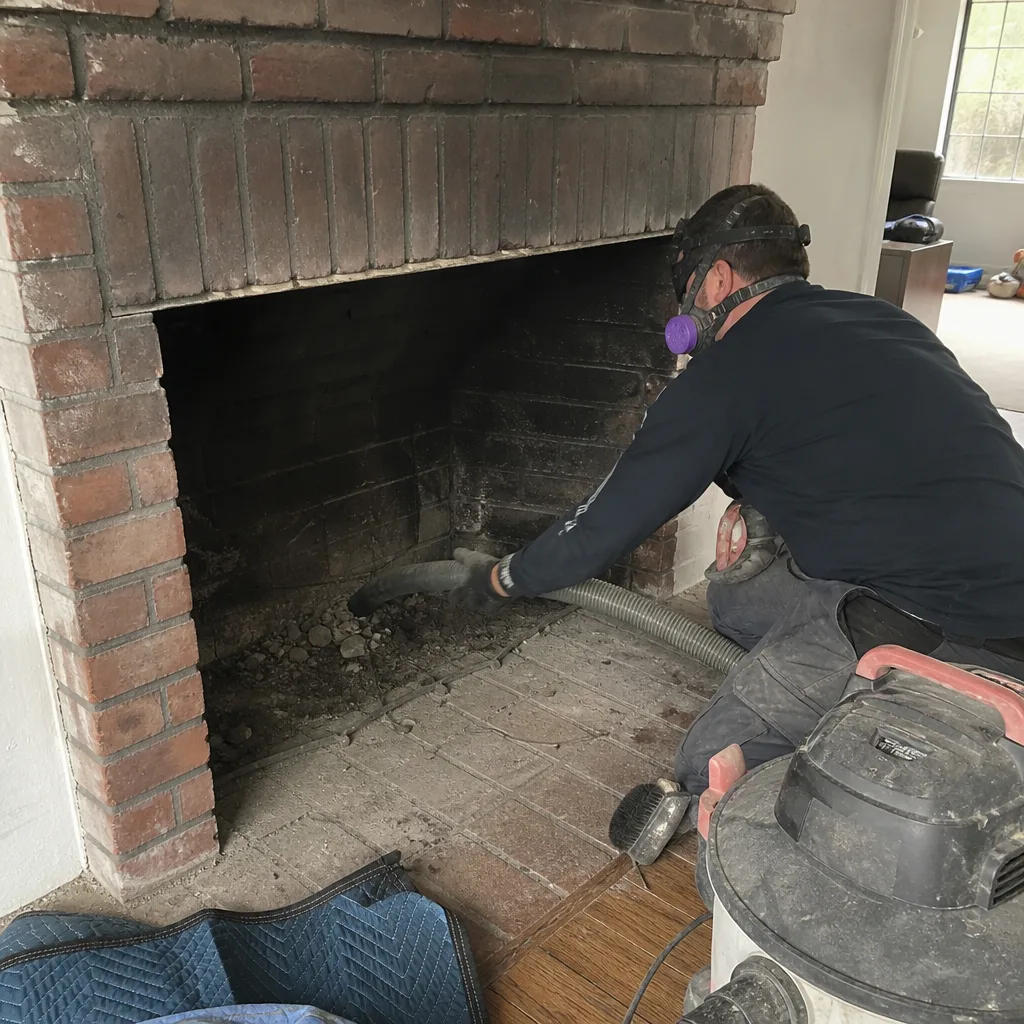 Before
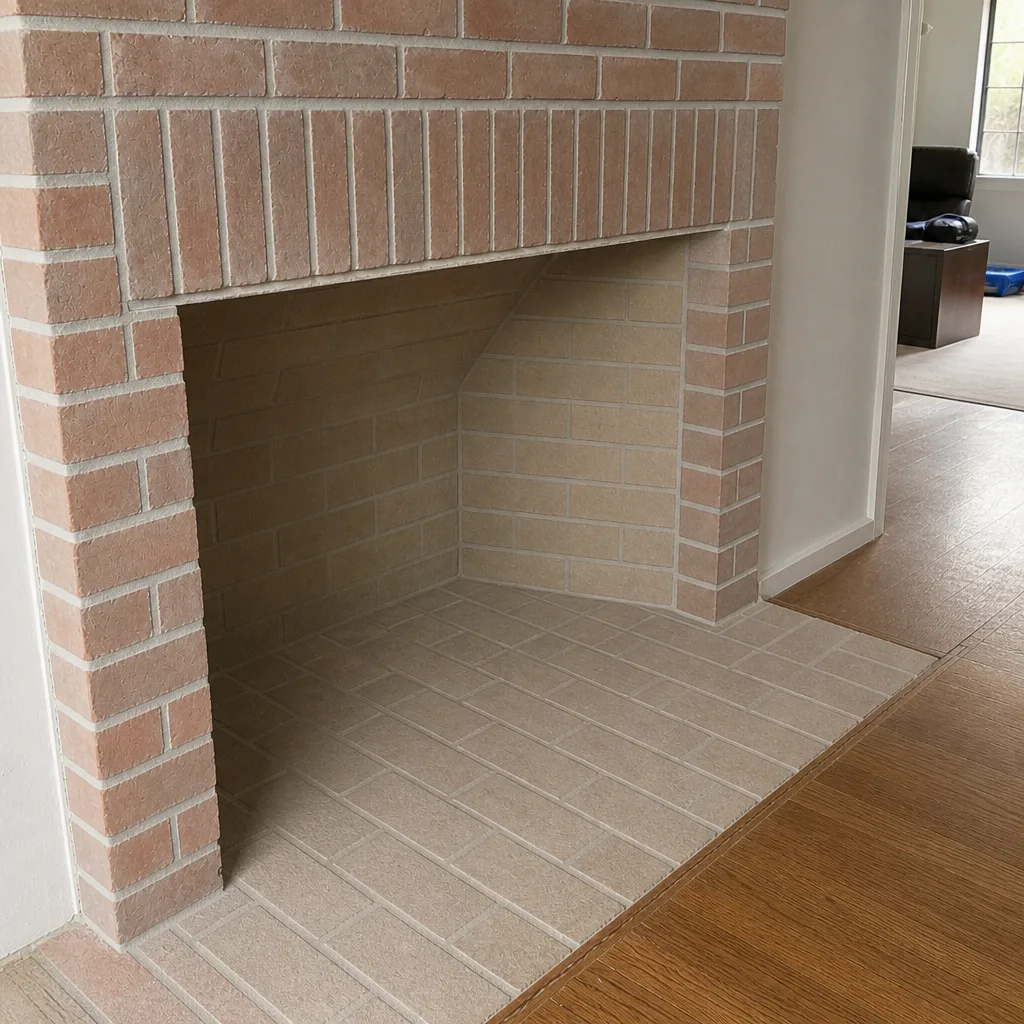 After
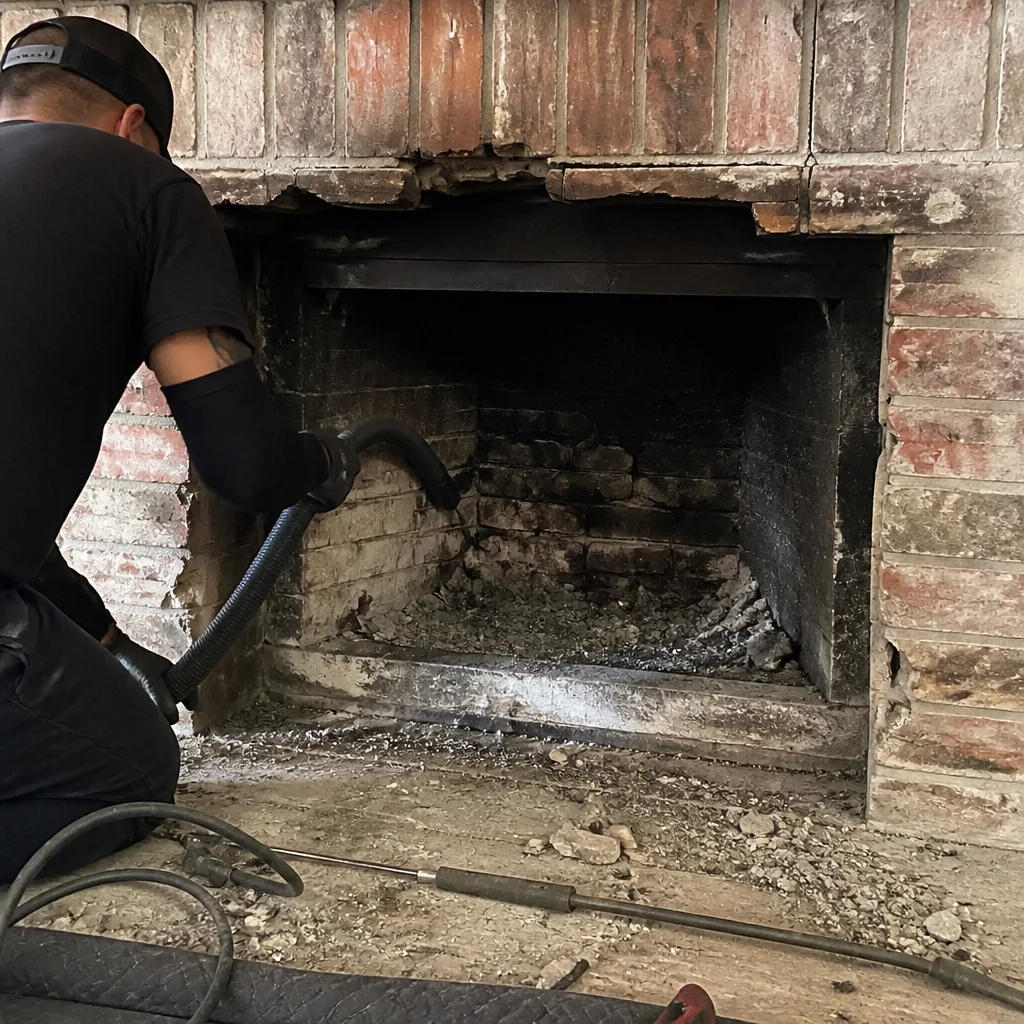 Before
 After
 Before
 After