
Last updated November 4, 2026
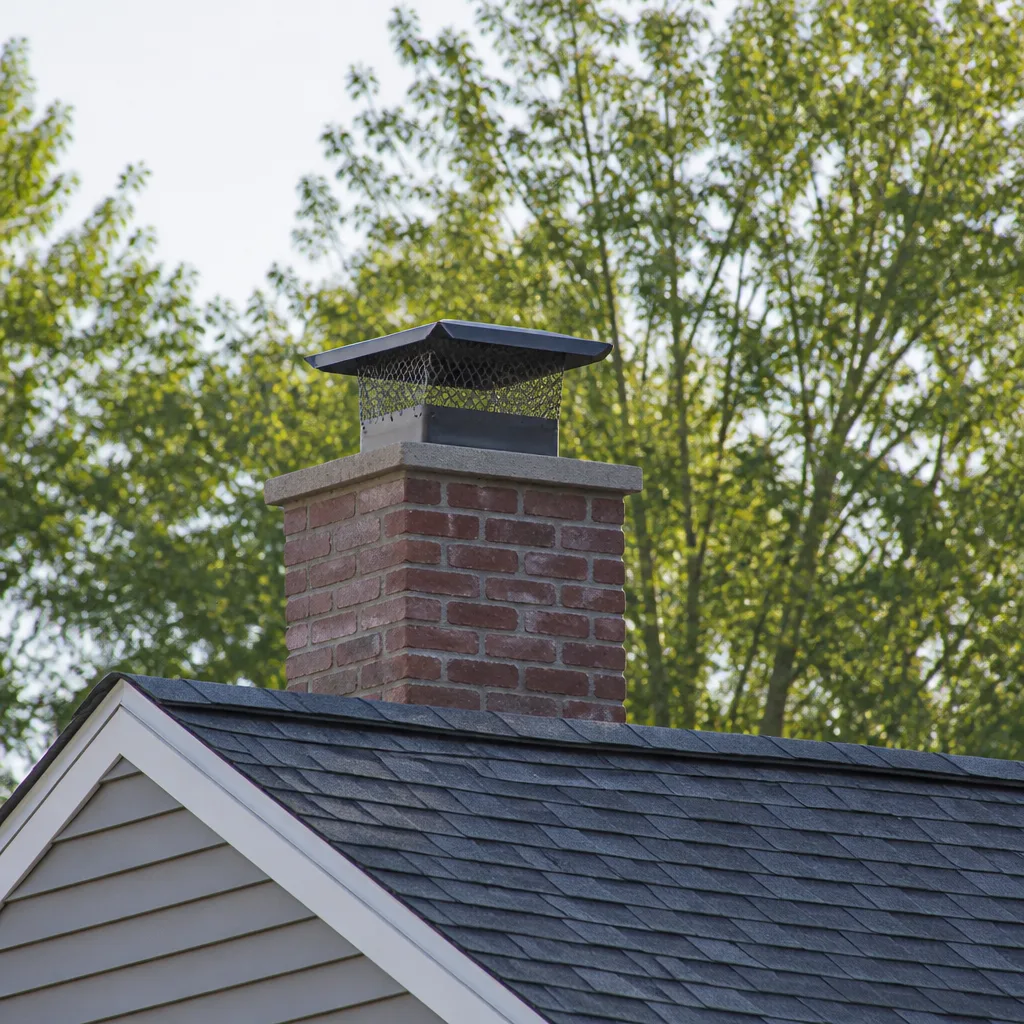 Sweep & inspection
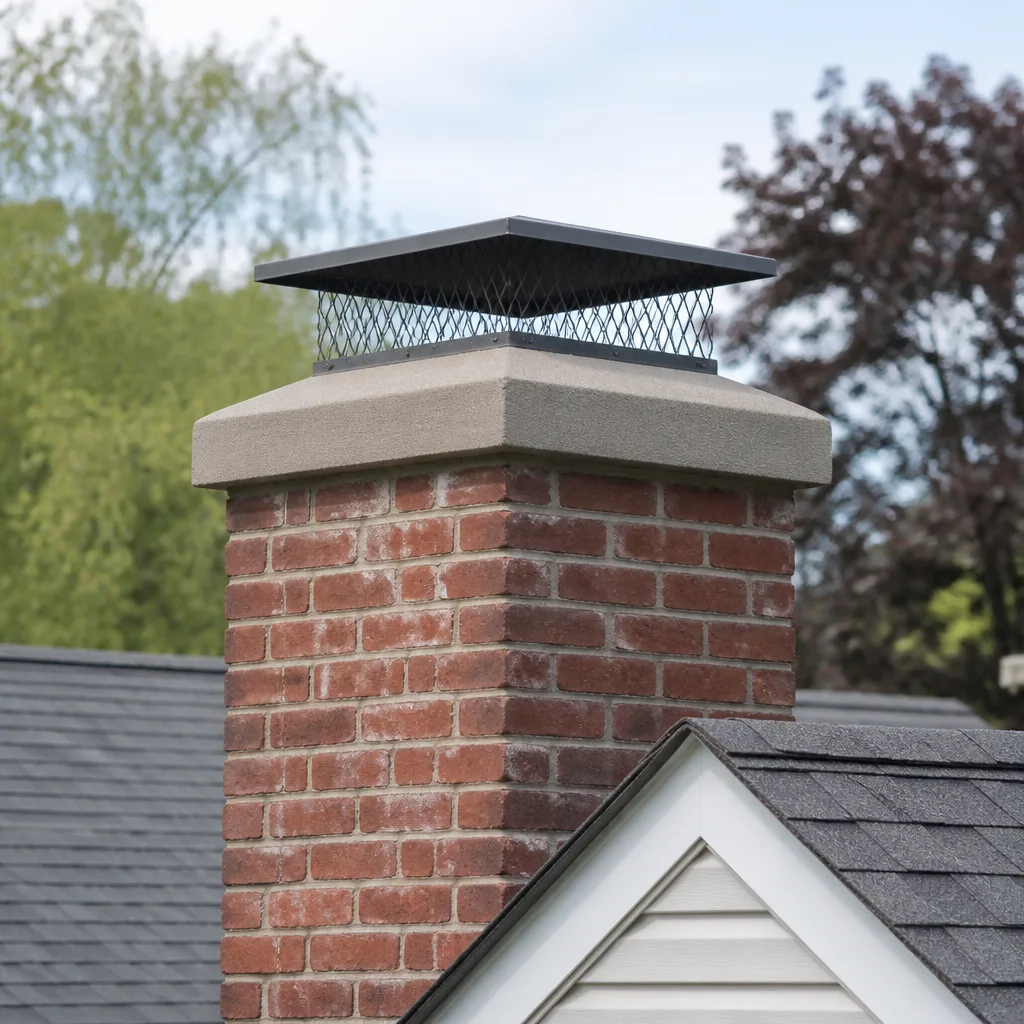 Caps & crowns
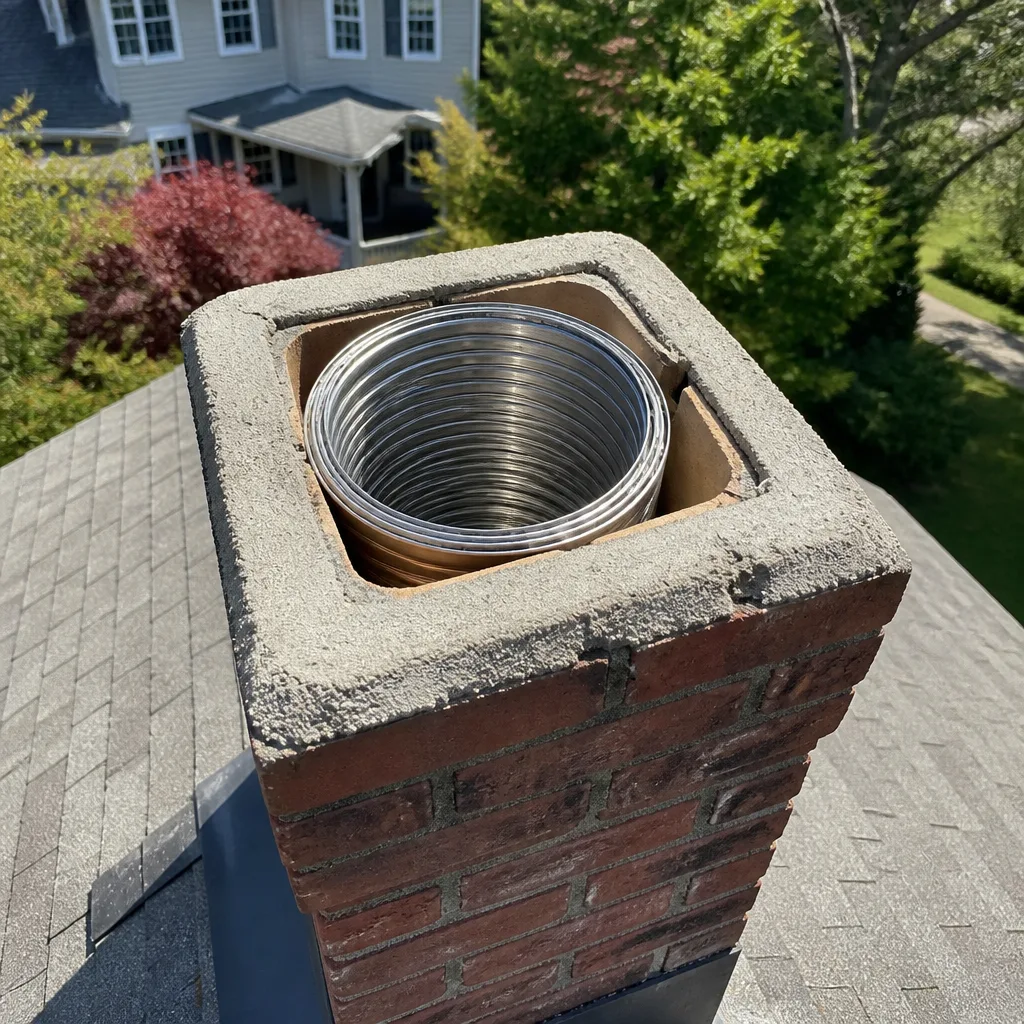 Flue relining
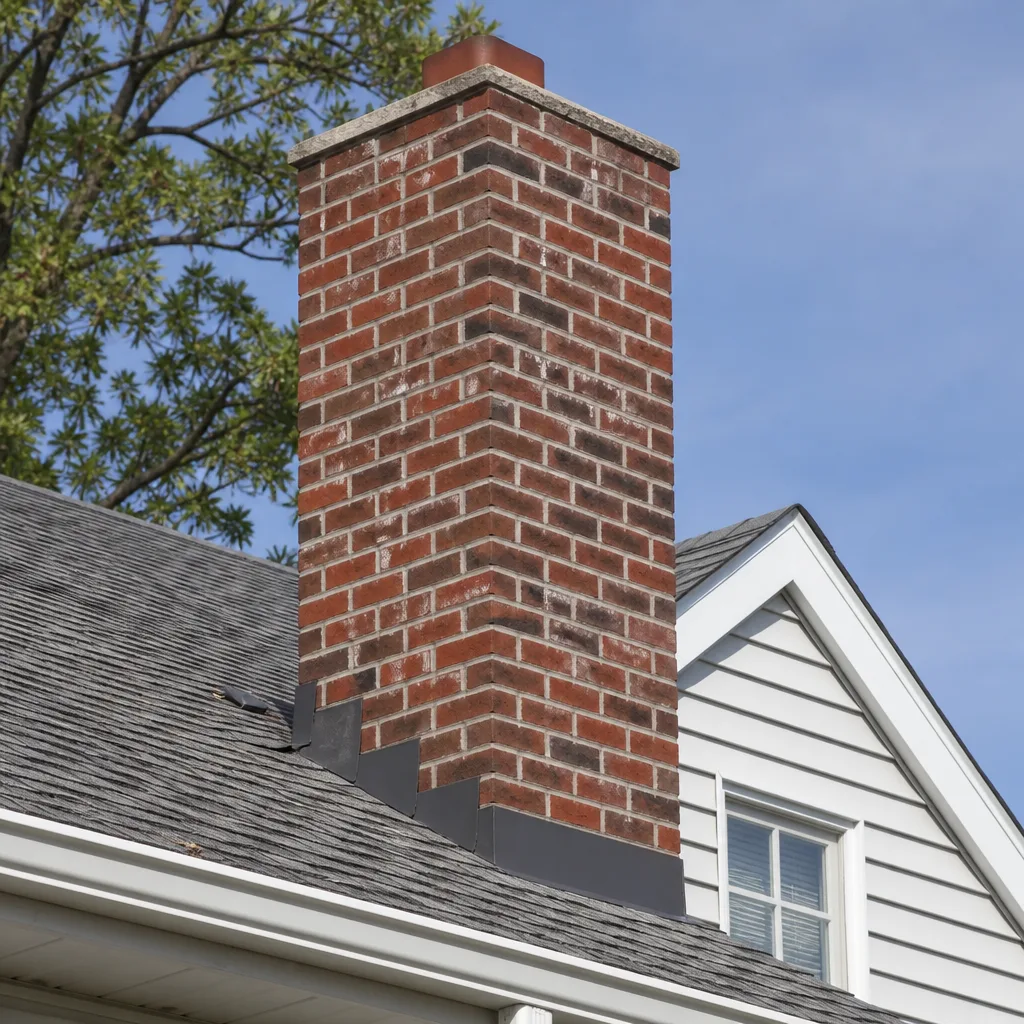 Masonry repair
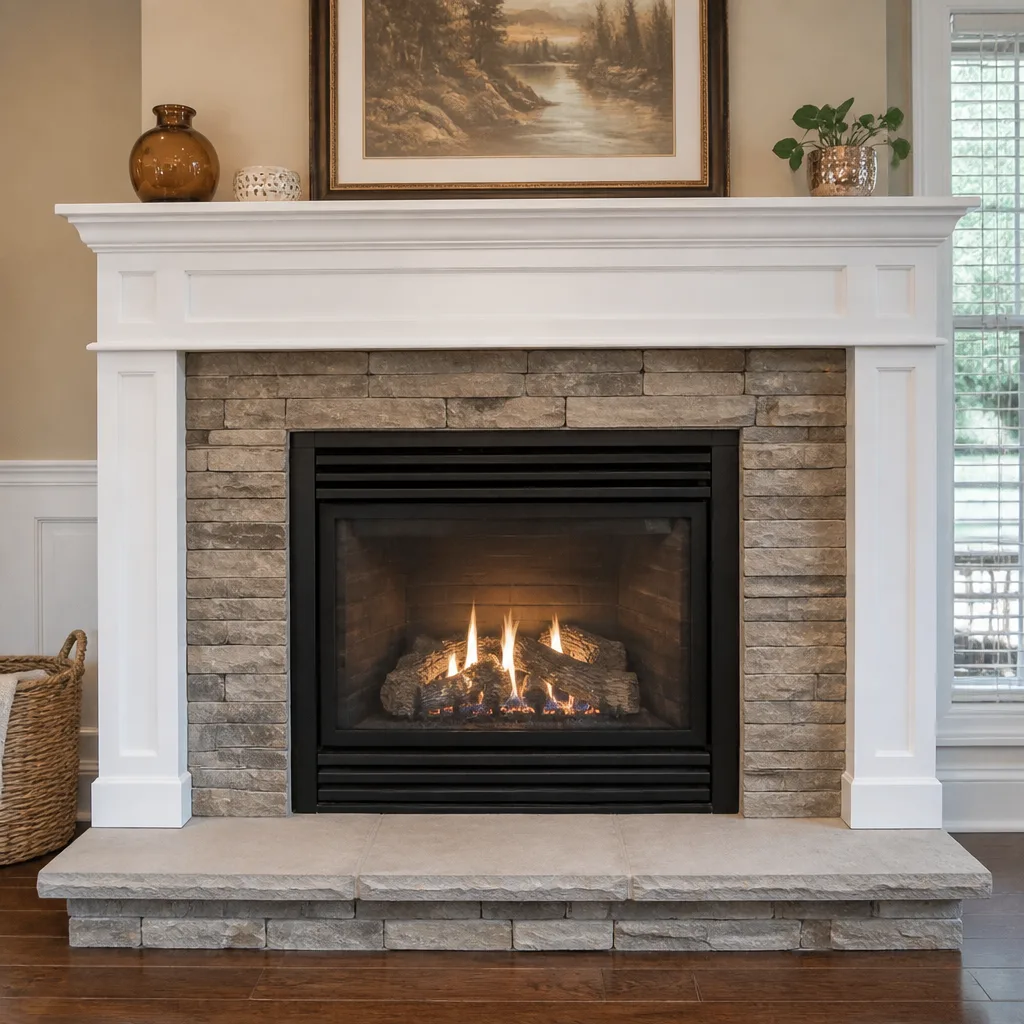 Gas fireplace service
Level 1 sweep and inspection to the NFPA 211 annual standard - flue, crown, cap, and flashing checked and photographed
Chimney sweep logs do not sweep chimneys. They loosen some creosote - which then falls where a brush and vacuum still have to collect it.
Seasonal Chimney Cleaning Care for San Pedro: Year-Round Homeowner’s Guide
Every chimney care guide you’ll find online opens the same way: clean your fireplace before winter. But San Pedro doesn’t have winter, not the way those guides mean it. Our mild coastal climate reshapes the chimney calendar entirely. The real danger months here aren’t the coldest ones. They’re the windy ones, when Santa Ana conditions push embers through a dirty flue, and the damp ones, when the summer marine layer sits inside an idle chimney for weeks and quietly rusts the damper. This guide covers what San Pedro homeowners actually face, season by season, and what to do about it before the flue becomes the problem instead of the fire.
Quick Answer
Seasonal chimney care in San Pedro means cleaning before Santa Ana wind events, monitoring creosote during the short winter burn window, inspecting for moisture damage after spring rain, and checking your idle chimney during the summer marine layer for condensation-related rust and efflorescence. The recommended cadence is one full sweep and inspection per year, ideally in late summer or early fall before fire season conditions peak, plus a visual check after any significant weather event.
Styles & brands we work with
- Sweep & inspection
- Caps & crowns
- Flue relining
- Masonry repair
- Gas fireplace service
Table of Contents
- Fall (September-November): The Santa Ana Window
- Winter (December-February): The Active Burn Season
- Spring (March-May): Post-Season Inspection and Repairs
- Summer (June-August): The Marine Layer Months
- Month-by-Month Chimney Task Calendar for San Pedro
- Common Mistakes to Avoid
- When to Call a Professional
- Frequently Asked Questions
Fall (September-November): The Santa Ana Window
Here’s the thing most national chimney checklists get wrong about San Pedro. They tell you to clean before the first freeze. San Pedro rarely freezes. But every fall, the Santa Ana winds start moving through the passes, and those dry, gusty conditions change how your chimney behaves. A flue that sat unused since March now has months of accumulated soot, dust, and possibly a bird nest or two. Light a fire on a windy Santa Ana night, and the draft strengthens suddenly. Embers that would normally settle in the firebox get pulled up the flue with real force. If that flue has last season’s creosote still coating the walls, you’ve created the exact conditions for a chimney fire.
September and October are the right months to act in San Pedro. We recommend scheduling a full chimney sweep before the first fire of the season, not after. A proper pre-season sweep removes creosote, checks for blockages, confirms the damper opens and closes correctly, and gives us a clear view of the flue liner. Here’s what a fall cleaning should include:
- Full flue brushing with appropriately sized brushes matched to your flue dimensions and liner type.
- Creosote grade assessment. Stage one creosote is a light soot that brushes off easily. Stage three is a hardened, tar-like glaze that requires chemical treatment or mechanical removal. Most San Pedro homes with casual fire usage see stage one or two, but every chimney is different.
- Damper operation check. We open and close it several times, confirm the seal, and lubricate the mechanism if needed.
- Smoke chamber inspection. This is the area between the firebox and the flue, and it’s where a surprising amount of debris settles.
- Cap and spark arrestor check. Santa Ana winds carry branches and debris. A missing or damaged cap invites both into your chimney.
If you have a wood-burning fireplace, pay attention to the type of wood you’re burning. Unseasoned wood creates more creosote, faster. In San Pedro, with our short burn season, many homeowners buy one bundle of wood at a time from the grocery store. That wood is often not fully seasoned. It smolders, creates heavy smoke, and deposits creosote quickly. We tell our customers to buy wood from a proper firewood supplier, store it covered, and only burn logs that have been split and dried for at least six months. For gas fireplaces, the fall check is simpler: confirm the pilot assembly is clean, the logs are seated correctly, and the venting is unobstructed. Gas logs don’t create creosote, but they can create soot buildup that blocks the vent if the air-to-fuel ratio drifts out of spec.
Winter (December-February): The Active Burn Season
San Pedro homeowners light fires for ambience more than survival. That means the burn window is short: maybe a dozen fires between December and February, mostly on cool evenings or over the holidays. But because usage is sporadic, monitoring matters more than most people expect. A chimney that burns once every two weeks doesn’t get hot enough for long enough to burn off creosote deposits. Every fire adds a thin layer. Over several years, those thin layers accumulate into a real fire hazard.
Here’s how to know if you need a mid-season cleaning in San Pedro. First, look at the smoke. If you see thick, gray smoke lingering around the chimney top instead of dissipating quickly, that’s a sign of incomplete combustion and creosote buildup. Second, listen. A popping or cracking sound from the flue during a fire can indicate creosote igniting. Third, look inside the firebox. If the damper or the firebox walls feel sticky or gummy to the touch, you’re building stage two creosote. If any of these signs show up, stop burning and call us. We answer 24/7, and we’ll get a technician out during our normal dispatch window to evaluate what’s happening.
Gas fireplace owners have a different winter checklist. Check the flame color. A healthy gas flame burns blue at the base with yellow tips. A flame that’s mostly yellow or orange means incomplete combustion, which produces soot. That soot collects in the vent, reduces draft, and can cause carbon monoxide to back up into the house. If your gas fireplace has a blower, clean the fan blades and the air intake once during the winter. Dust reduces the unit’s efficiency and pushes fine particulates into the room.
A note on carbon monoxide. Every home with a fireplace, wood or gas, should have a working carbon monoxide detector on the same floor as the fireplace and outside every sleeping area. This isn’t optional equipment. It’s the only way you’ll know if a vent is blocked or a flue is failing before the symptoms show up, and the symptoms of CO exposure – headache, dizziness, nausea – are easy to mistake for the flu in winter. Test the detector monthly, and replace the unit every five to seven years.
Spring (March-May): Post-Season Inspection and Repairs
San Pedro gets most of its rain between November and March. By the time spring arrives, any water that’s been working its way into your chimney has had months to do damage. Spring is the right time to assess that damage and fix it, before the summer marine layer adds another layer of moisture stress.
The two components that take the most abuse in San Pedro are the chimney crown and the cap. The crown is the concrete slab that seals the top of the chimney around the flue. When it cracks – and they all crack eventually – water seeps into the masonry below. That moisture freezes and thaws in colder climates. In San Pedro, it does something else: it sits there. The moisture inside the brick stays for months, slowly dissolving the mortar. You’ll see it as efflorescence, a white, powdery deposit on the exterior chimney face. Efflorescence isn’t just cosmetic. It means water is inside the structure, and that water will eventually spall off brick faces and degrade the mortar joints.
Inside the flue, spring is when we look for signs of moisture intrusion. Rust on the damper assembly is the most common clue. Water streaks down the flue liner are another. If you have a stainless liner, look for rust-colored staining at the seams – that indicates the liner is aging and may need attention. We work with DuraFlex flexible liner systems for homes that need relining, and when the damage is less extensive, we use HeatShield ceramic resurfacing to restore the existing flue without a full reline. The right fix depends on what we find during the inspection.
Spring is also the season for dryer vent attention. The dryer duct that runs through your wall or up through the roof is a chimney in everything but name. Lint accumulates in that duct the same way creosote accumulates in a flue. If you haven’t had a dryer vent cleaning in the past year, spring is the right time. Lint ignition in dryer ducts causes thousands of structure fires every year, and the fires are usually invisible until they’ve already spread. A thorough vent cleaning removes the lint, checks for kinked or obstructed duct sections, and confirms the exterior termination flap opens freely.
Summer (June-August): The Marine Layer Months
Every June, San Pedro wakes up under a gray blanket. The marine layer sits over the South Bay for weeks, sometimes until noon, sometimes all day. It’s cool, damp, and persistent. And it affects your chimney in ways that national guides completely overlook.
Here’s what happens. Your chimney sits unused from March through November. The air inside the flue cools to match the outside temperature. When the marine layer rolls in, that cool air is also humid. Moisture condenses on the inside of the flue, especially on metal components: the damper, the liner, any connecting hardware. Left alone, that condensation promotes rust. Over several summers, a damper that was fine in March is rusted stiff by September. A steel liner that was intact is pitted at the joints. The masonry absorbs moisture from the outside at the same time, which compounds the efflorescence problem we mentioned for spring.
Does every San Pedro homeowner need a summer chimney inspection? No. Most don’t. But there are two groups who should consider it. First, if you live close to the water in areas like Point Fermin or South Shores, your home sits in the marine layer more hours per day than homes further inland near Gaffey or Western. The moisture exposure is real, and it accumulates over years. Second, if you already know your chimney has an issue – a cracked crown, a missing cap, a damper that doesn’t seat completely – the summer is the right time to fix it, because you’ll have the chimney ready for fall and you’ll avoid further moisture damage during the foggiest months.
One more summer task: birds. Spring is nesting season, and by summer, those nests are occupied. Chimney swifts are protected by federal law, so if you hear chirping from your chimney in June or July, the answer isn’t to light a fire and smoke them out. It’s to leave them alone until they fledge, then have the nesting material removed and a proper cap installed. We source caps from Olympia Chimney and Famco, both of which make spark arrestor caps sized for the standard residential flues we see throughout San Pedro.
Month-by-Month Chimney Task Calendar for San Pedro
This calendar replaces the generic national one. No one in San Pedro needs a chimney cleaning in October because the “heating season” is starting. But you do need one before the Santa Ana winds kick up, and that timing shifts slightly every year. Here’s the month-by-month rhythm that works for our climate.
September
Book your annual chimney sweep and inspection. This is the single most important month for chimney maintenance in San Pedro. Schedule it before you light your first fire. If you need repairs, September gives us time to do the work before the holidays and before the strongest Santa Ana events arrive.
October
Complete any repairs or relining work. October is the transition month. If your sweep in September revealed a cracked flue liner, a bad damper, or a missing cap, get it fixed now. October is also the month to inspect your firewood supply. If you burn wood, source a cord of properly seasoned hardwood and store it covered, off the ground, away from the house.
November
First fire of the season. Open the damper, confirm it stays open, light a small fire, and watch the smoke. It should draw cleanly up the flue within a minute or two. If smoke backs up into the room, stop firing and call us. November is often when the first strong Santa Anas arrive, so make sure your spark arrestor cap is in good shape before those winds start.
December
Active burn month. If you use the fireplace more than two or three times this month, check the firebox for sticky creosote deposits. Test your carbon monoxide detectors now, not in January. If your gas fireplace flames look mostly orange, schedule a service visit.
January
Second-busiest burn month. Rain usually arrives in earnest, so pay attention to the chimney in wet weather. If you see water stains on the ceiling around the chimney chase, or if the firebox smells musty after rain, book an inspection. Water intrusion in January doesn’t get better on its own by July.
February
Late-season burning. The big game parties and holiday gatherings are over. If you’ve burned more than a dozen fires since November, consider a mid-season visual inspection, especially if you’ve burned grocery-store wood or any unseasoned logs.
March
Post-season inspection. As the burn season winds down, this is the time to look for damage. We check the crown, the cap, the damper, the firebox, and the flue liner. March is also the best month for a dryer vent cleaning, while the lint from winter laundry is fresh in the duct.
April
Repairs and scheduling. If March inspection found anything, April is the month to fix it. Chimney work in spring means you’re not competing for scheduling with other homeowners’ pre-winter rush, and the weather is cooperative.
May
Pre-summer prep. May is the month to install a new cap or crown if you need one. The marine layer hasn’t arrived in full force yet, so you get a window of dry weather for masonry work. May is also a fine month for dryer vent replacement if your existing duct is old or damaged.
June
Marine layer begins. Your chimney is idle. The best task in June is nothing, unless you’ve noticed chirping birds – which means a nest, which means leaving it alone and calling us after the birds fledge.
July
Foggiest month. The marine layer is at its strongest. Check for efflorescence on the exterior chimney face. White powder means moisture is inside the brick. It’s not urgent the way a chimney fire is urgent, but it should go on your list.
August
Pre-season planning. August is the right time to book your September sweep. The earlier you book, the more scheduling flexibility you’ll have. If you noticed efflorescence in July, mention it when you call so we can plan for it during the sweep.
Common Mistakes to Avoid
- Cleaning in December instead of September. San Pedro’s highest-risk chimney fire conditions happen during Santa Ana winds, which peak in the fall. A December cleaning means your chimney sat dirty through the most dangerous months. Book in September instead.
- Burning grocery-store wood bundles. Most of the firewood sold in San Pedro’s grocery and convenience stores is not properly seasoned. Unseasoned wood smolders, produces heavy smoke, and deposits creosote much faster than seasoned firewood. It’s also a false economy: you burn more wood to produce the same heat.
- Ignoring a rusty damper. A damper that’s hard to open or close, or one that shows visible rust, is a sign of moisture inside the chimney. That moisture is working on your masonry and your liner even when the fireplace is cold. Fix the damper and find the moisture source.
- Treating the dryer vent as a separate issue. Most San Pedro homes have the dryer vent and the chimney on the same side of the house. Lint fires and chimney fires start the same way: flammable material accumulating in a duct that nobody inspects. A chimney sweep and a dryer vent cleaning belong on the same maintenance calendar.
- Waiting until the fire won’t start to clean the chimney. A weak draft, a smoky firebox, or a fireplace that won’t stay lit are all late-stage symptoms of creosote buildup or a blockage. The right time to clean is before the symptoms start, in September.
- Forgetting the cap. A missing or damaged chimney cap invites rain, birds, and Santa Ana debris into your flue. The cap is the cheapest component on the chimney and the first line of defense against everything that goes wrong inside the flue. We stock caps from Copperfield and Gelco, and a replacement is usually a same-visit job.
- Skipping the post-winter inspection. San Pedro’s winter rain is mild by national standards, but it still finds its way into cracked crowns and missing mortar joints. The damage shows up in spring. If you don’t look, you won’t find it until the chimney is leaking into the house.
When to Call a Professional
Some chimney tasks are fine for a homeowner. Sweeping the firebox floor and glass doors is easy. Checking the damper is easy. Everything past the damper is not. Flue inspection requires a camera or a trained eye with the right lighting. Creosote removal requires a brush that actually fits your flue – too small and you miss most of the buildup, too large and you can damage the liner. Masonry repair requires proper mortar matching, and liner repair or replacement requires training and the right materials. If you see smoke backing into the room, if your damper is rusted shut, if there’s water in the firebox after rain, or if you haven’t had a sweep in two years or more, call us. Chimney Sweep San Pedro offers free estimates throughout San Pedro – Call (833) 576-1522. We answer 24/7. Fast dispatch from 7am to 7pm, Sunday through Friday.
Frequently Asked Questions
Once a year, in September, before Santa Ana season and before the first fire. If you burn more than 20 fires in a season, or if you burn unseasoned wood, you may need a mid-season cleaning in January. Gas fireplaces need less frequent cleaning, but the vent should still be inspected annually.
Yes. Rain, birds, and Santa Ana debris all enter the flue through an uncapped chimney. A cap with an integrated spark arrestor also prevents embers from leaving the chimney during windy conditions, which matters in fall when the Santa Anas are blowing. The cap is the cheapest component on the chimney system and the one that prevents the most expensive damage. Call (833) 576-1522 for a cap inspection and install estimate.
Creosote builds up layer by layer. The first stage is light soot that an annual sweep removes easily. The second stage is a sticky, gummy deposit. The third stage is a hard, shiny glaze that requires chemical treatment or mechanical removal. Stage three creosote is flammable, and in the right conditions – Santa Ana winds, a hot fire, an ember pulled into the flue – it ignites. Chimney fires burn hot enough to crack flue liners and spread to the structure around the chimney. The cleanings cost less than the consequences of skipping.
Yes, but differently. Gas fireplaces don’t produce creosote, but they do produce soot when the air-to-fuel ratio is off. That soot deposits on the logs, the pilot assembly, and the vent walls. In a direct-vent system, a blocked vent can push carbon monoxide back into the living space. Annual inspection is the right cadence for gas systems too.
During the summer, cool, humid air condenses inside the idle flue. That condensation promotes rust on metal components like dampers and liners, and it contributes to efflorescence on the exterior masonry. Homes close to the water in San Pedro see more of this than homes further inland. If your chimney already has a cracked crown or a leaking cap, the marine layer months will slowly make that problem worse. Fixing the source of the moisture in spring or fall is the right move.
Yes. We offer chimney sweeping and dryer vent cleaning as two parts of the same ventilation system. If you schedule both, we handle both in one dispatch window. It saves you a second appointment and gets the whole system clean at once. Call (833) 576-1522 for a free estimate.
The Bottom Line
San Pedro doesn’t have a traditional chimney season, so it doesn’t need traditional chimney advice. The right rhythm here is: clean in September before the Santa Anas, monitor during the short winter burn window, inspect in March after the rain has done its work, and fix before the marine layer adds moisture stress in summer. One annual sweep, one annual inspection, and one honest assessment of what the flue actually needs. We work with professional-grade materials – DuraFlex liners, HeatShield resurfacing, Olympia Chimney and Copperfield caps and accessories – because the right parts last longer in San Pedro’s specific conditions. Sweep, inspect, repair, in one visit. That’s the whole job.
Written by the team at Chimney Sweep San Pedro, serving San Pedro since 2016.
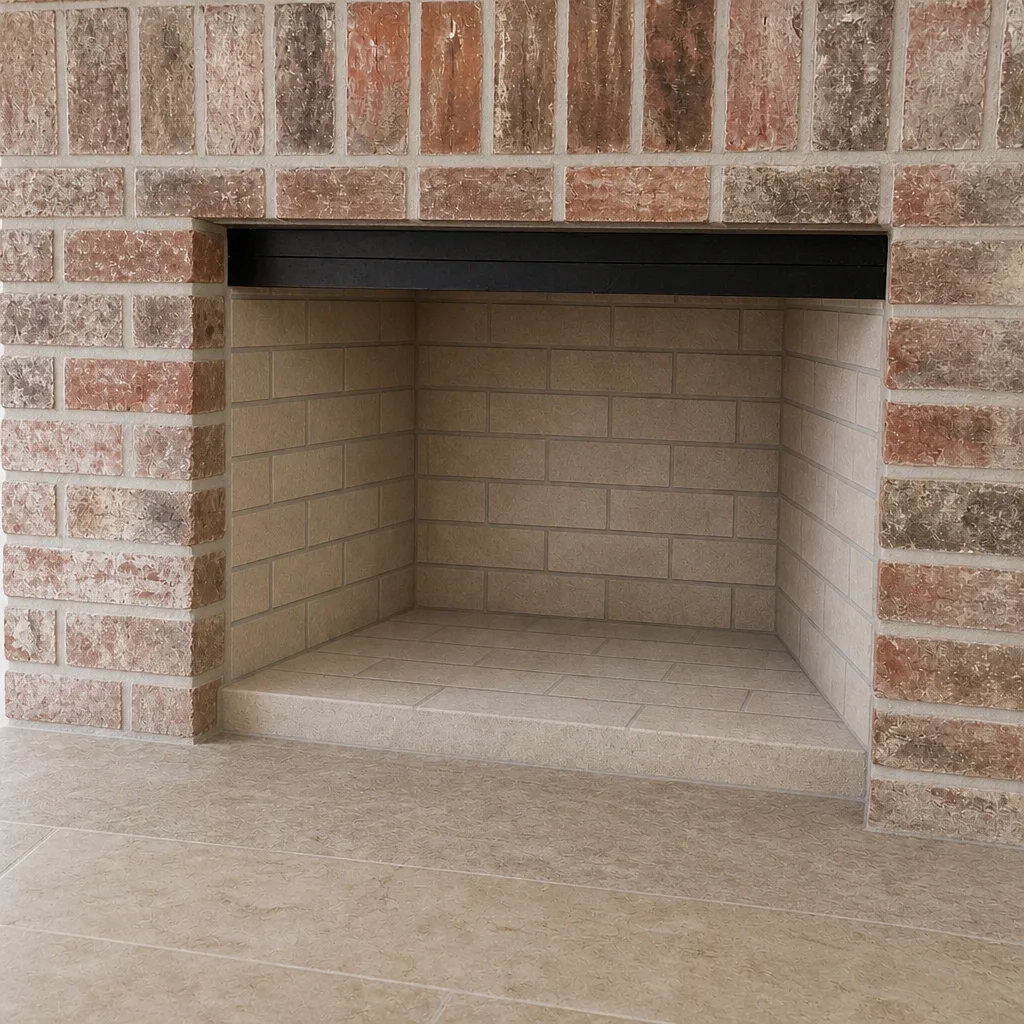
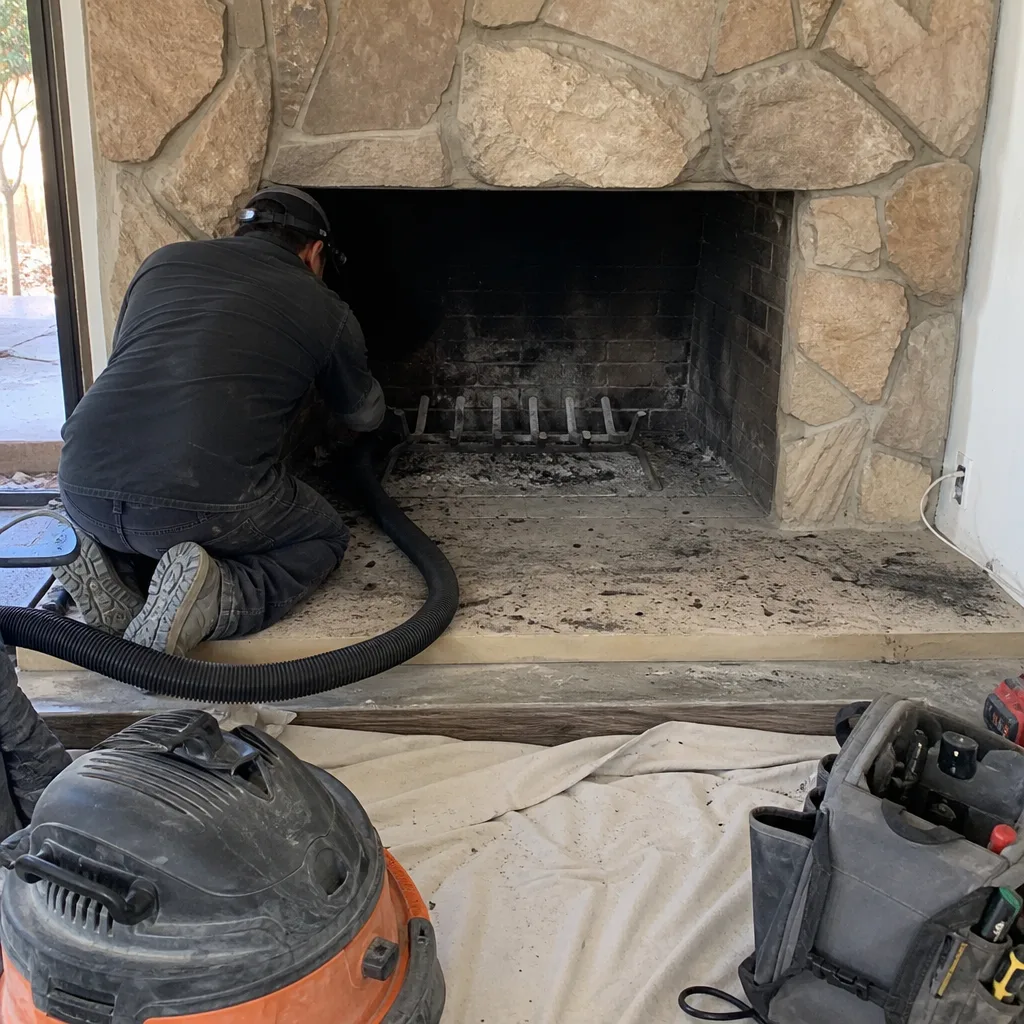
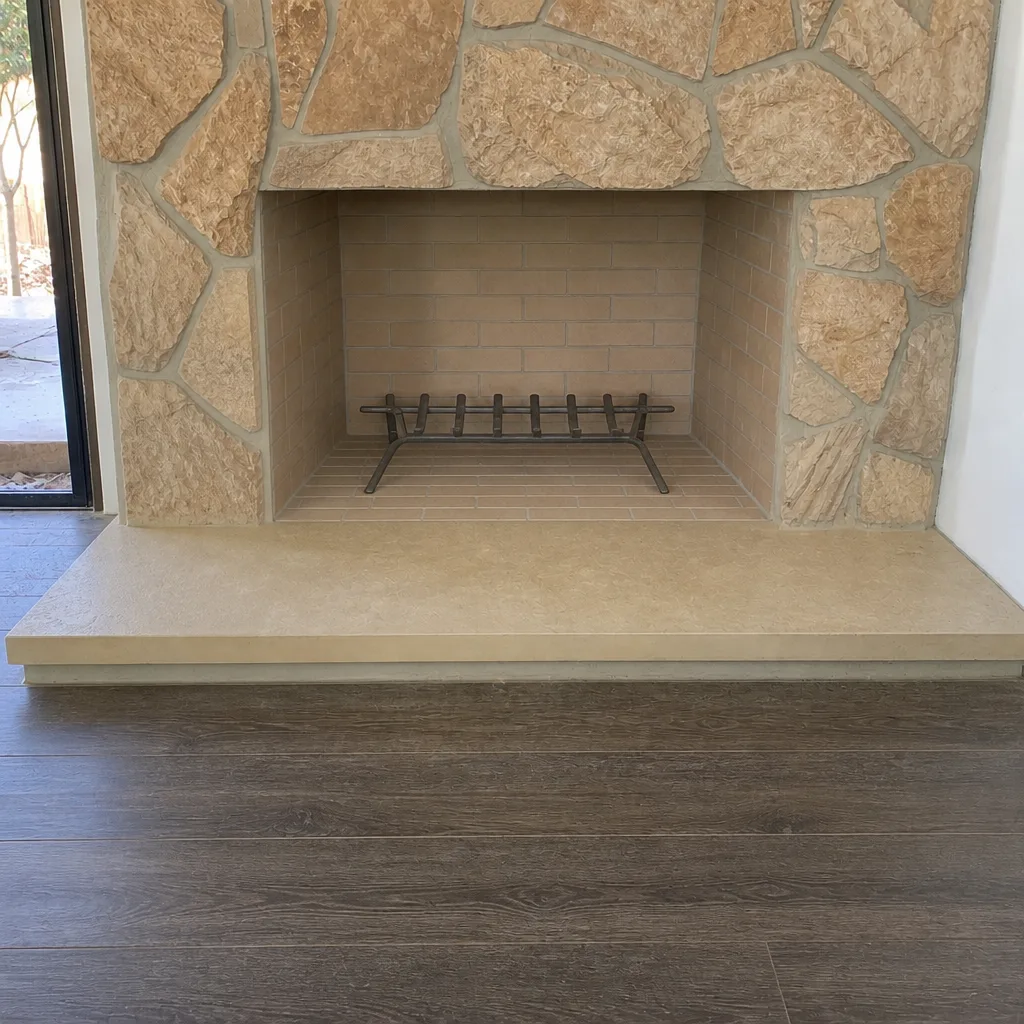
See the difference
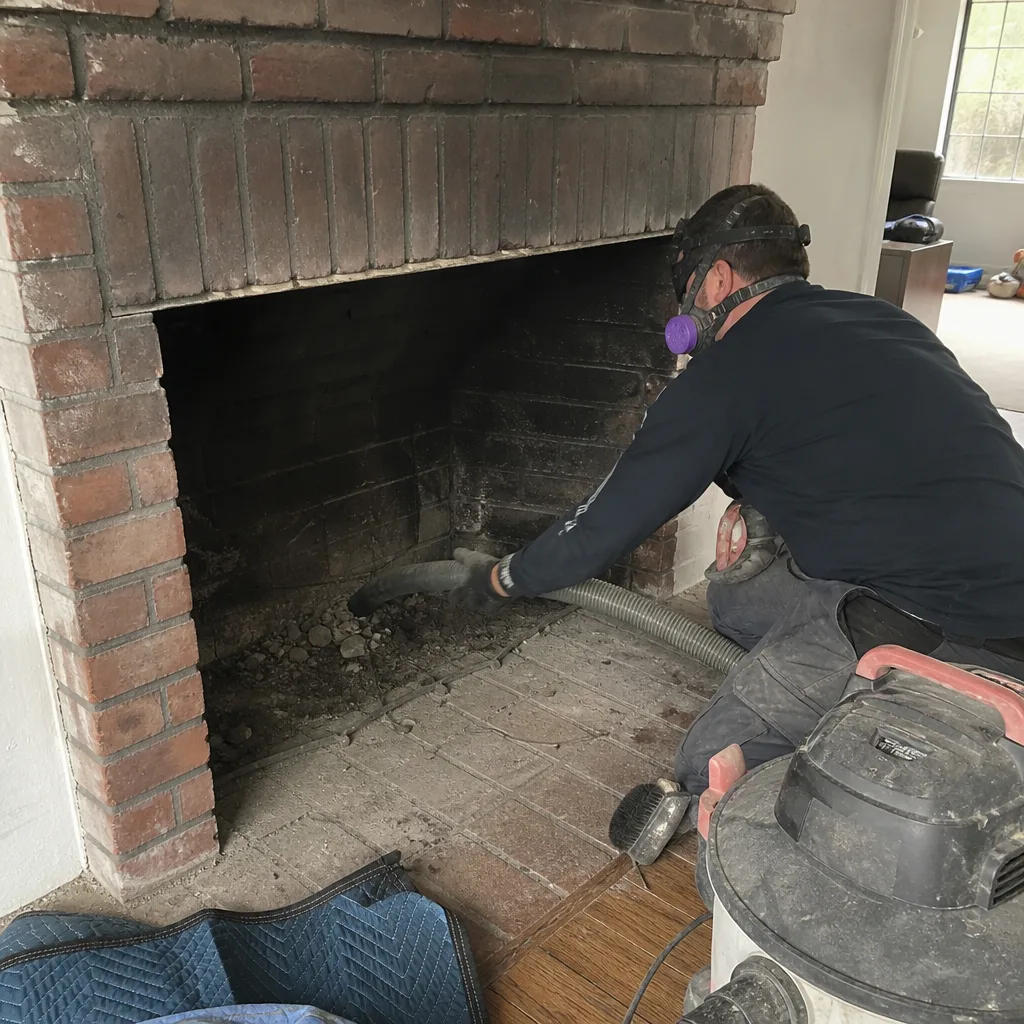 Before
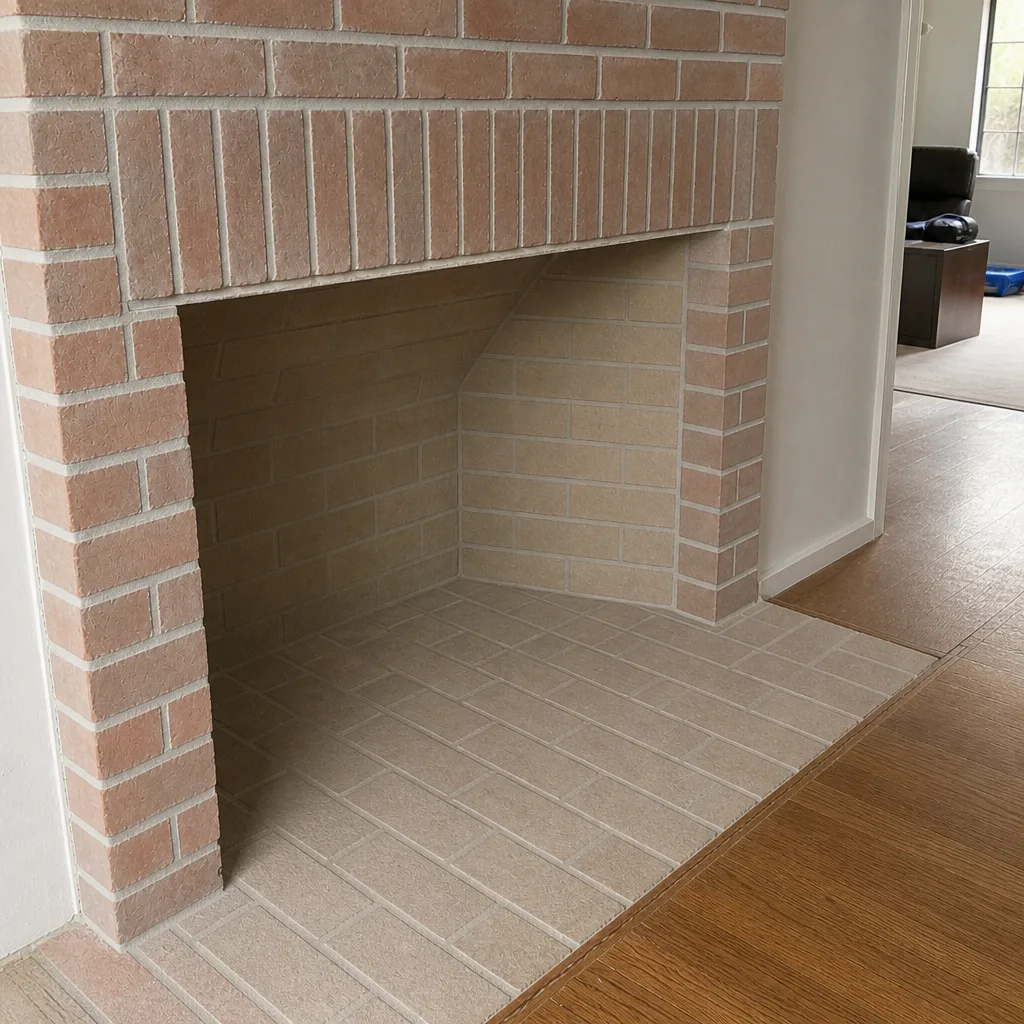 After
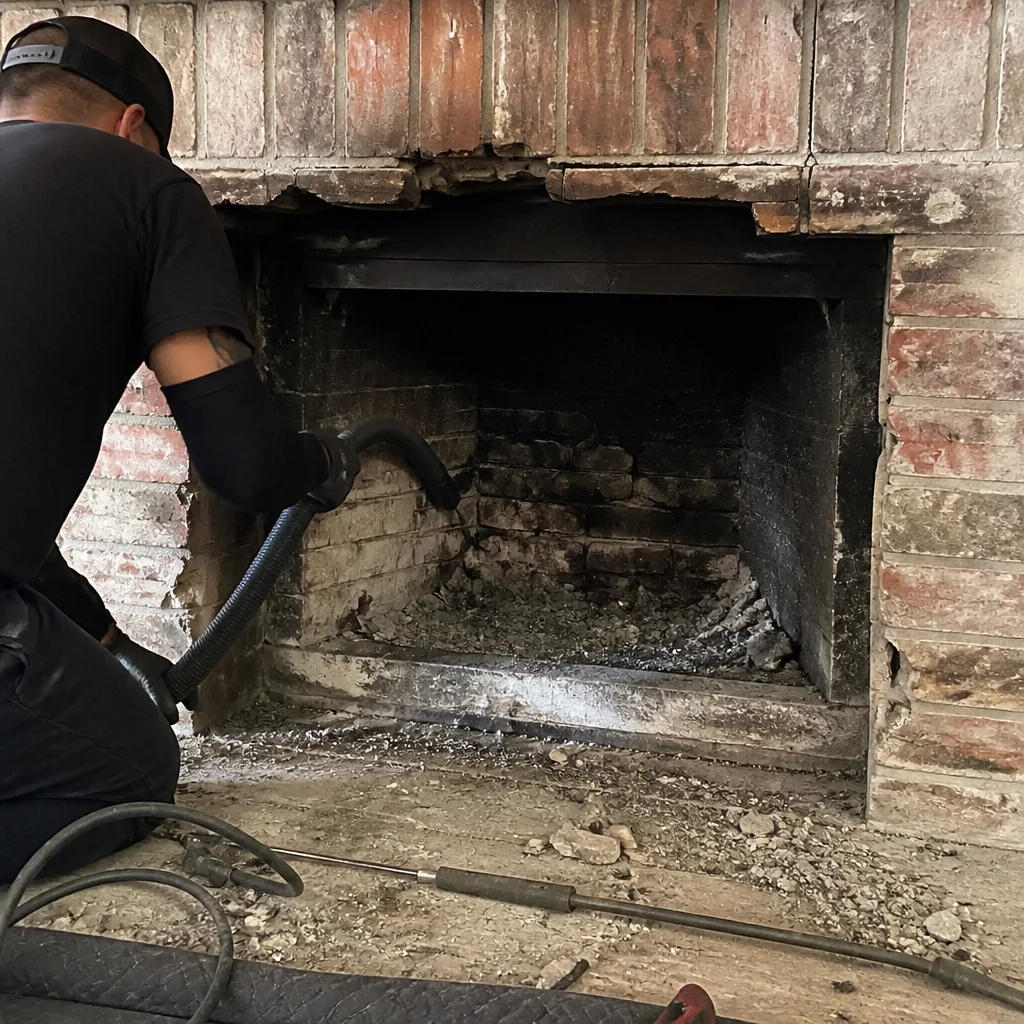 Before
 After
 Before
 After