
Last updated November 4, 2026
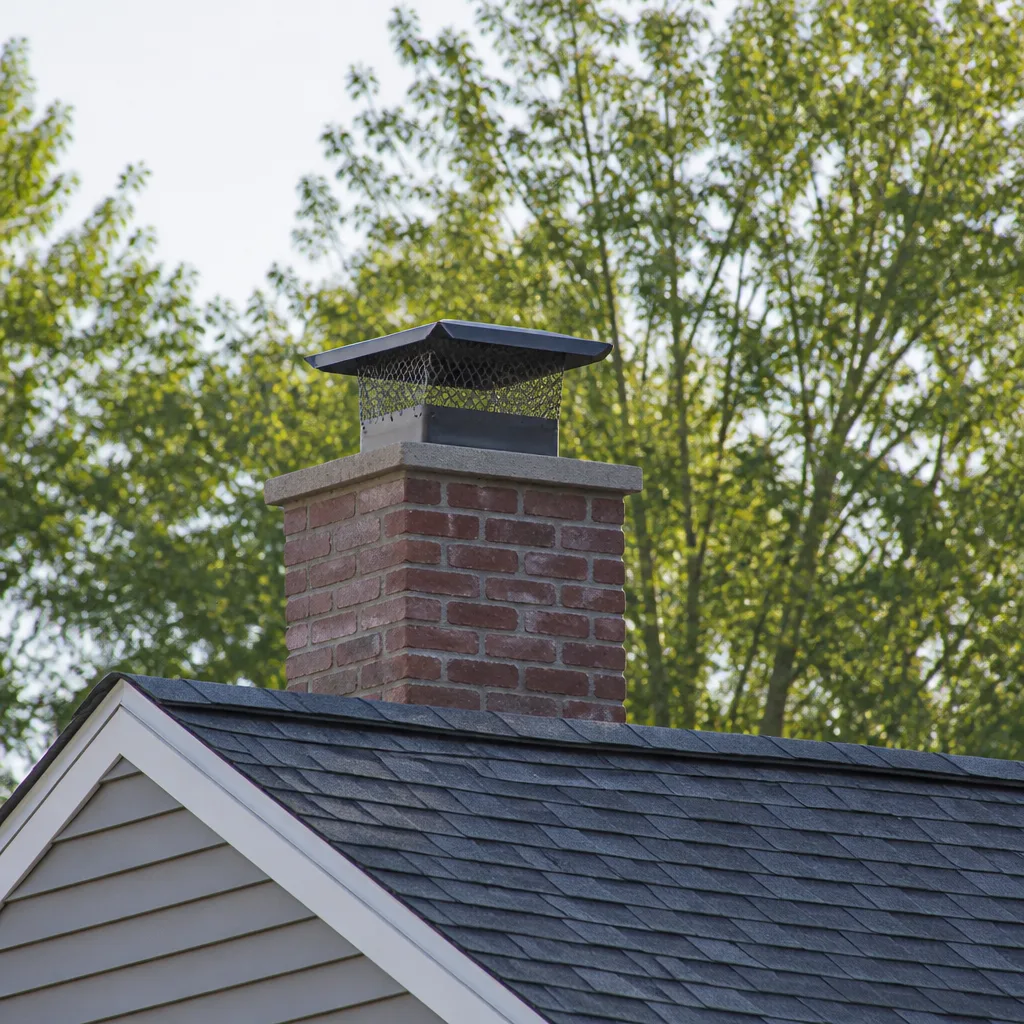 Sweep & inspection
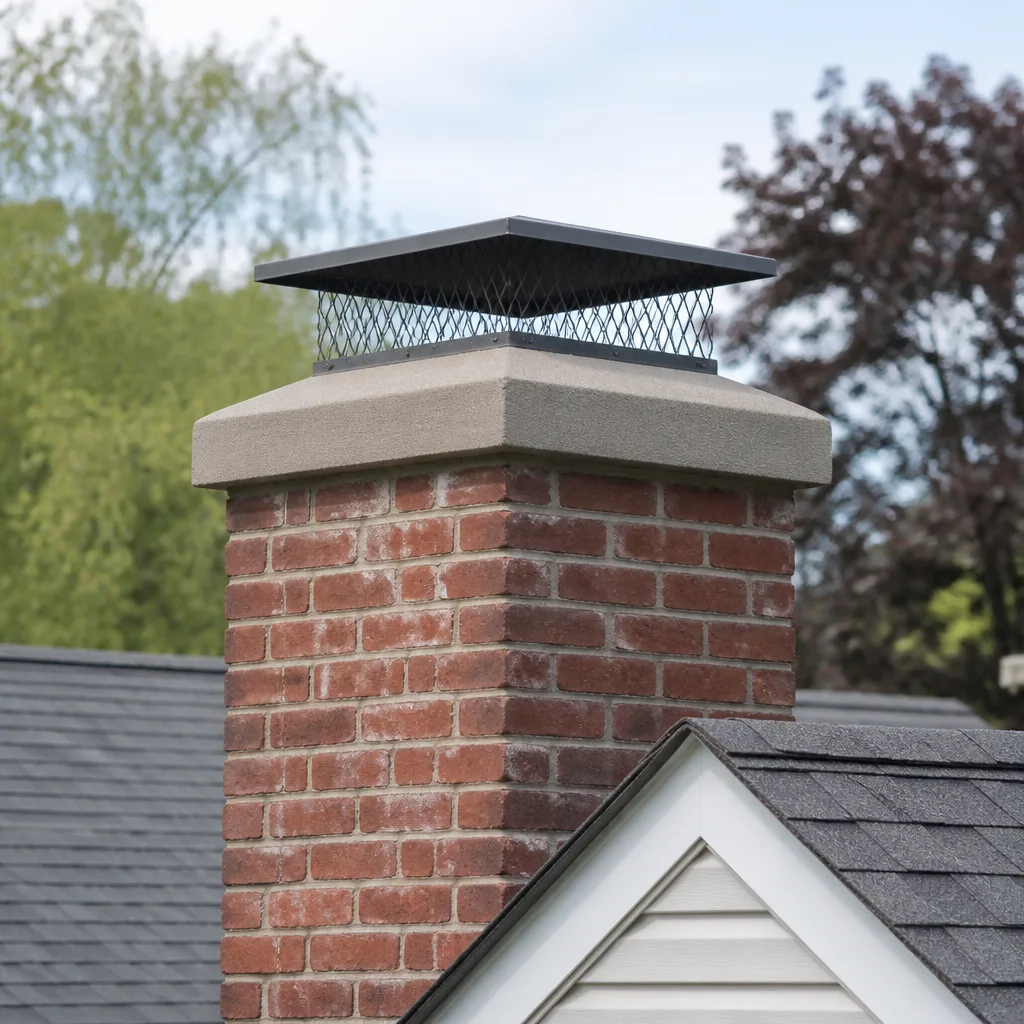 Caps & crowns
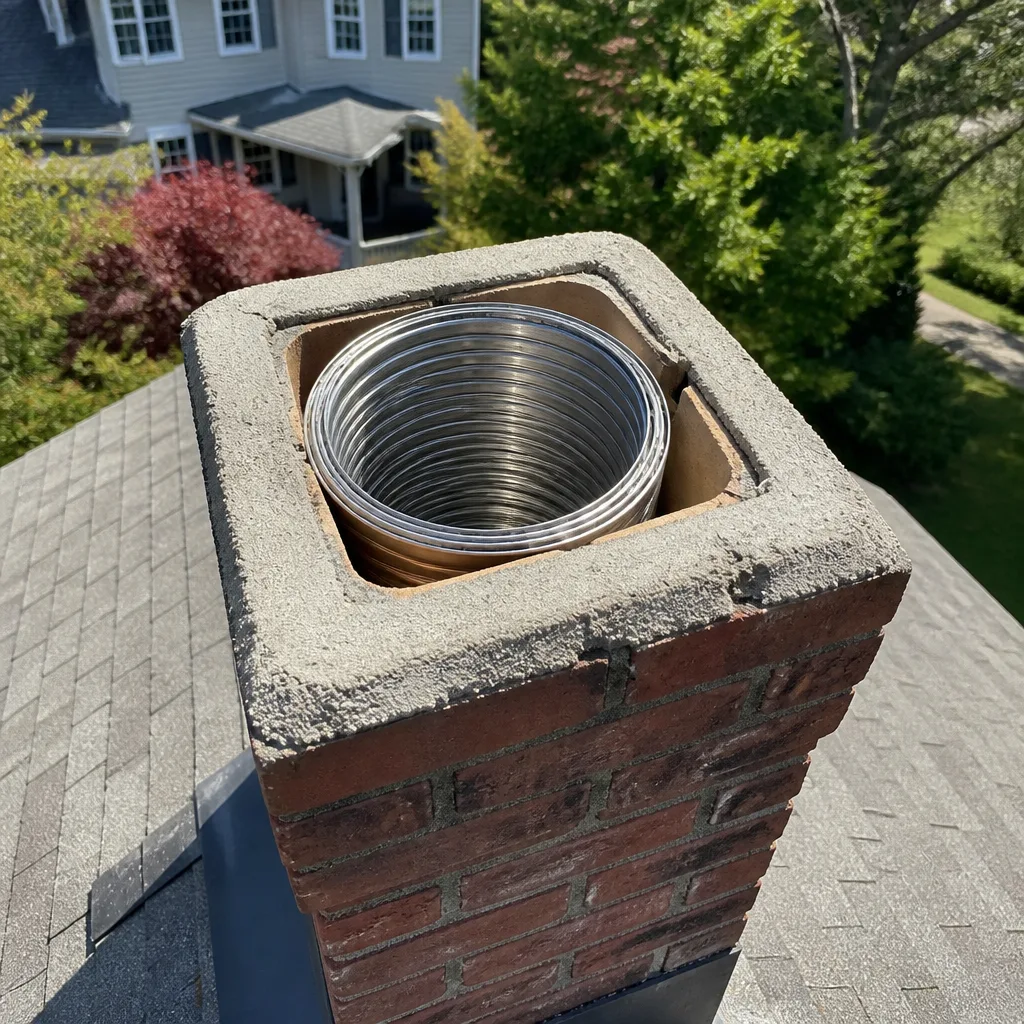 Flue relining
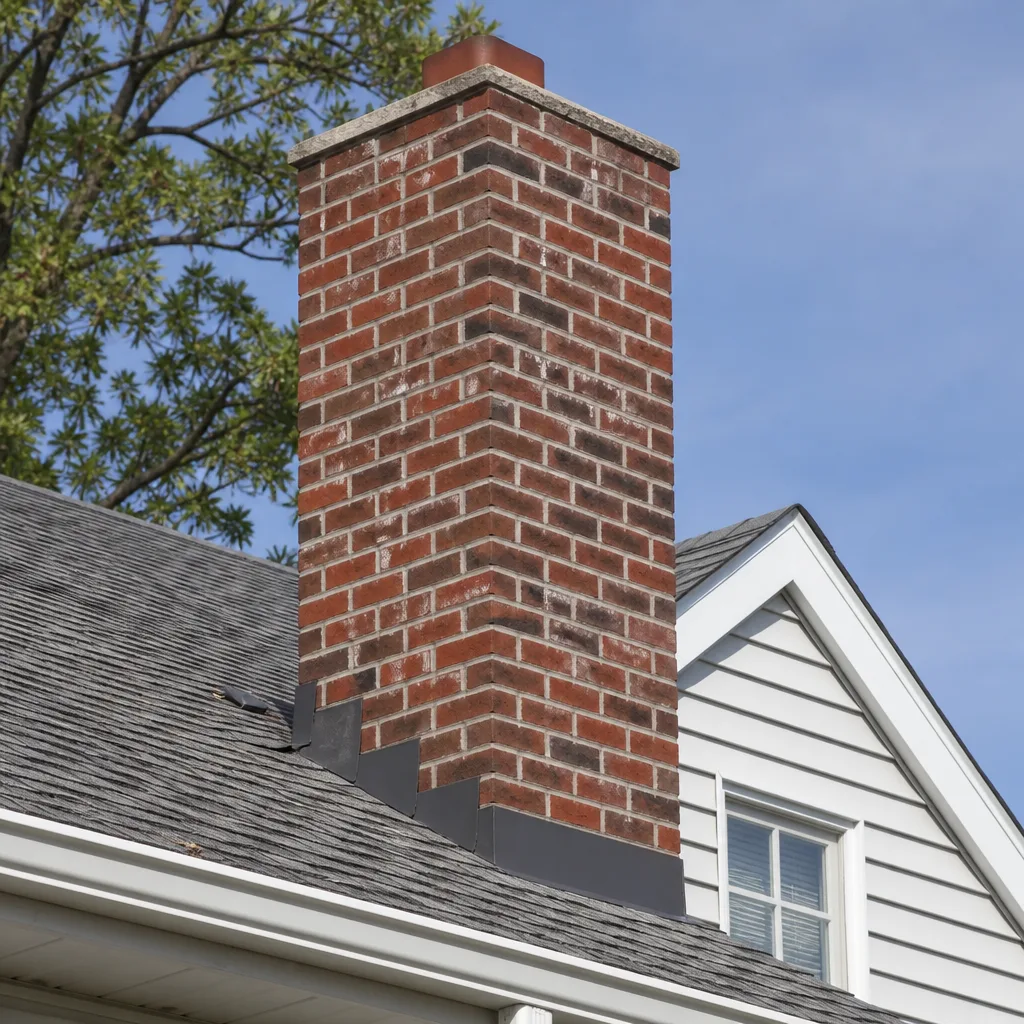 Masonry repair
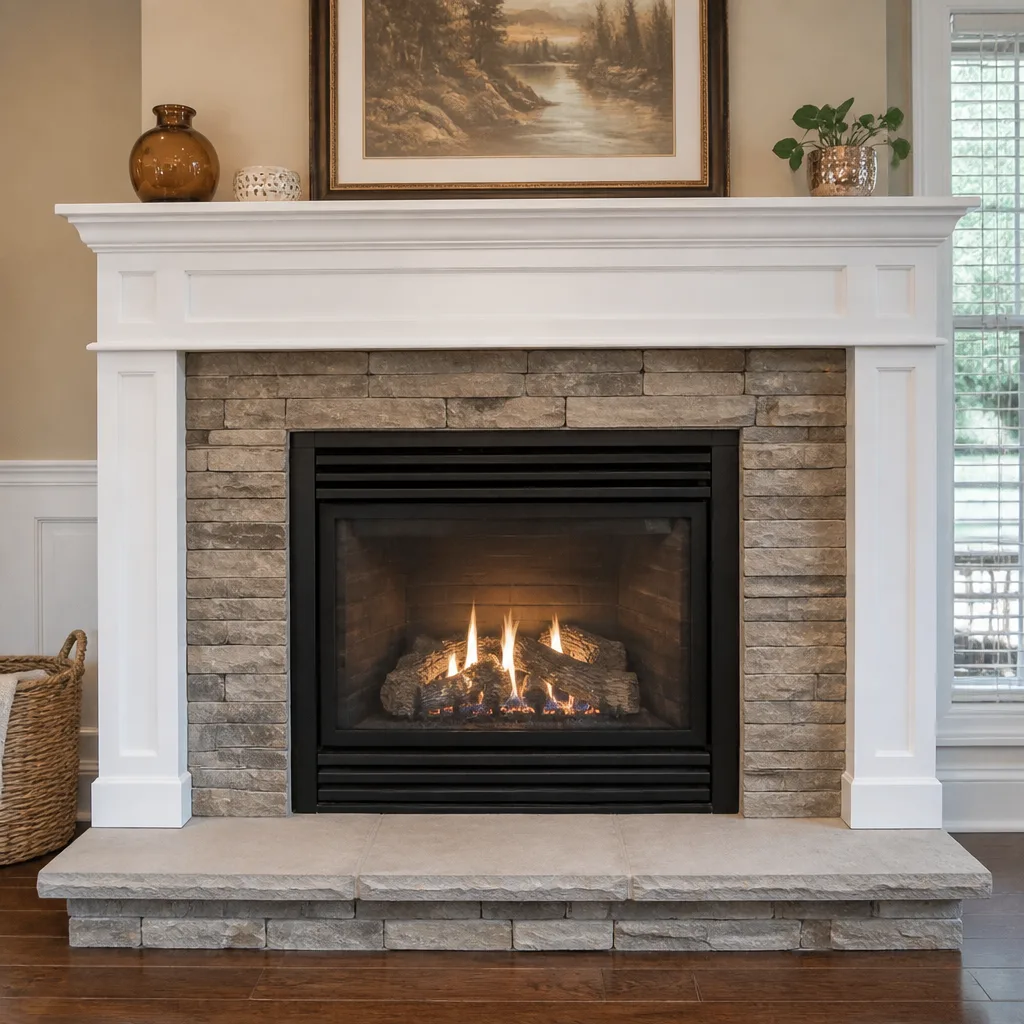 Gas fireplace service
Level 1 sweep and inspection to the NFPA 211 annual standard - flue, crown, cap, and flashing checked and photographed
Chimney sweep logs do not sweep chimneys. They loosen some creosote - which then falls where a brush and vacuum still have to collect it.
Chimney Cleaning Emergency Preparedness Guide for San Pedro Homes
A chimney fire sounds like a freight train running through your wall. Most homeowners who have never heard that sound have no plan for what happens next, and the wrong response in the first two minutes determines how bad the damage gets. This guide is about knowing what to do before you ever hear that rumble, because emergency preparedness for chimneys is not panic. It is knowing exactly which steps to take in a chimney fire, a carbon monoxide event, or a storm-damaged flue so you act correctly instead of making it worse. We have put together what every San Pedro homeowner should know, before the fire department has to explain it to you.
Quick Answer
Chimney emergency preparedness in San Pedro means three things: knowing the immediate steps for a chimney fire (close the damper, call 911, evacuate, never pour water into the firebox), recognizing carbon monoxide warning signs tied to venting problems, and understanding that a chimney exposed to fire, seismic activity, or Santa Ana wind damage needs a professional inspection before it is used again. A chimney sweep can identify hidden damage after any of these events. The most important piece of paper you can have after a chimney fire or water intrusion is a documented inspection report from a qualified technician.
Styles & brands we work with
- Sweep & inspection
- Caps & crowns
- Flue relining
- Masonry repair
- Gas fireplace service
Table of Contents
- What to Do in the First Five Minutes of a Chimney Fire
- Carbon Monoxide: The Silent Chimney Emergency
- After a Chimney Fire: Level 2 Inspection Protocol
- San Pedro Weather Events That Create Chimney Emergencies
- What to Tell the Insurance Adjuster
- Building a Chimney Emergency Preparedness Kit
- Common Mistakes to Avoid
- When to Call a Professional
- Frequently Asked Questions
What to Do in the First Five Minutes of a Chimney Fire
We have talked to homeowners across San Pedro who described the same thing: a low rumble that built into something that sounded like a jet engine inside the wall. Creosote, the flammable residue that builds up inside a flue from wood smoke, ignites at around 451 degrees Fahrenheit. Once it catches, it burns hot and fast, and it needs oxygen to keep going. Your job in the first moments is to cut off what feeds it and get everyone out safely.
Here is the exact sequence, in order:
- Close the damper. This restricts the air supply to the fire. A chimney fire needs oxygen flowing up the flue to sustain itself. Closing the damper is not guaranteed to put the fire out, but it slows it down and can reduce how much of it pulls into the house. Do this only if you can reach the damper without putting your face or hands near the firebox opening.
- Call 911. Do this even if the fire seems small or contained. Chimney fires can spread into the attic or through cracks in the flue liner without being visible from the living room. Firefighters in San Pedro respond to chimney fires regularly and will check the attic and surrounding walls for extension. A neighboring home in a dense hillside neighborhood is too close to risk making your own guess about whether the fire is out.
- Evacuate the house. Get every person and pet outside and stay outside until the fire department says the structure is safe. Do not go back in for anything. A chimney fire can compromise the flue structure and fill the upper floors with smoke faster than most people expect.
- Do NOT pour water into the firebox. This is the most common and most dangerous mistake. Water hitting a burning flue creates a burst of steam that can crack the masonry and send hot debris back into the room. It can also cause the flue liner to fracture from thermal shock. The fire is in the chimney, not the fireplace itself. Throwing water at it does not reach the fire and can injure whoever is standing closest.
- Do NOT open the firebox doors or glass if they are closed. Opening them introduces a fresh rush of oxygen into the combustion zone. If you have glass doors on the fireplace, leave them shut. If you have a screen and no glass, do not try to remove burning logs. Leave the entire assembly alone and evacuate.
One more thing worth saying plainly: after a chimney fire, do not use the fireplace again. Not the next day, not next week. A chimney that has been through a fire may have cracked flue tiles, a warped liner, or damaged mortar joints that would let the next fire’s heat reach the wood framing of your home. We have seen homeowners light another fire “just to check” and end up with a much worse problem. The next step after the fire department leaves is an inspection, and we will cover that below.
Carbon Monoxide: The Silent Chimney Emergency
Chimney emergencies do not always involve visible flames. Carbon monoxide, the odorless gas produced by incomplete combustion, kills quietly and it is directly connected to venting problems in fireplaces, furnaces, and gas inserts. The warning signs in your body often show up before any detector sounds. Headache, dizziness, nausea, and fatigue that improves when you leave the house and worsens when you return are the classic pattern. The problem is that these symptoms look like the flu, and people in San Pedro with mild symptoms often dismiss them for hours or days.
The connection to your chimney is straightforward. A properly drafting flue carries combustion gases up and out of the house. A blocked, cracked, or poorly sized flue lets those gases back into the living space. The appliances most likely to cause a carbon monoxide event are gas water heaters, gas furnaces, gas fireplaces or inserts, and any wood-burning appliance with a partially blocked flue. A bird nest, a dislodged flue tile, a sagging liner, or a chimney cap knocked askew by a strong gust can all reduce draft enough to push carbon monoxide into the house.
Placement of your carbon monoxide detector matters more than most people realize. A detector placed on a ceiling across the room from the fireplace can miss lower, concentrated pockets of gas near the hearth. We recommend having at least one detector within 15 feet of any combustion appliance, including the fireplace, and one on every sleeping floor of the house. Test the detectors every six months and replace batteries on a schedule you will actually keep, such as the same day you change your clocks.
If your carbon monoxide detector sounds, treat it as a real emergency. Open windows, get everyone outside, and call 911. Do not try to find the source yourself. The gas is invisible and the investigation can wait until the fire department says the house is safe. After the immediate event is resolved, you will need a chimney professional to inspect the venting system and identify what caused the draft failure. That inspection is not optional, because whatever caused the first event will cause another one if it is not corrected.
After a Chimney Fire: Level 2 Inspection Protocol
A chimney that has been through a fire cannot be used again until a Level 2 inspection is completed. That is not our company policy, it is the standard set by the National Fire Protection Association and the Chimney Safety Institute of America. A Level 2 inspection is more involved than the annual sweep and visual check. It includes a video scan of the interior flue using a camera system, an examination of the attic and crawlspace areas where the chimney passes through the house, and a check of the exterior masonry and chimney cap.
What the inspector is looking for is specific: cracked or spalled flue tiles, separated mortar joints, warped metal liners, damaged or missing chimney caps, and any place where the inner liner has separated from the outer masonry. A chimney fire stresses every joint in the flue system. Even if the fire itself burned out quickly, the thermal shock can leave cracks that are invisible from the firebox opening but completely capable of letting heat and gas into the framing the next time a fire is lit.
When we perform a Level 2 inspection in San Pedro after a chimney fire, we document everything with the video camera. The homeowner receives a written report with notes on what the camera showed, what is safe, what is damaged, and what repair options exist. If the flue tiles are cracked, there are typically two repair paths: resurfacing or relining. HeatShield, a ceramic resurfacing system, can restore the interior of a damaged flue without tearing out the existing masonry. In more serious cases, a flexible liner system such as DuraFlex is installed to create a new, continuous flue path inside the old one. The right recommendation depends on what the camera shows, and the report is what gives you and your insurance company the documentation you need.
The key point is this: after a fire, “it looks fine” is not a diagnosis. The visible firebox tells you almost nothing about the condition of the flue 20 feet above it. A Chimney Sweep San Pedro inspection is the only way to know whether the chimney is safe to use again.
San Pedro Weather Events That Create Chimney Emergencies
San Pedro does not get freeze-thaw cycles or snow load, and hail is uncommon here. The weather events that damage chimneys in this part of Los Angeles are different: Santa Ana winds, the first heavy rain after a dry stretch, and the occasional seismic event. Each creates a specific kind of chimney emergency, and each requires a different response.
Santa Ana winds. The dry offshore gusts that sweep through San Pedro every fall and early winter are hard on chimney caps and crowns. A loose cap can be lifted clean off the flue, leaving the full opening exposed to rain, birds, and debris. A cracked crown, the concrete slab that caps the chimney structure, can also worsen under repeated wind buffeting. After a strong Santa Ana event, the easiest check is from the ground: look for a missing cap, visible cracks in the crown, or any debris that looks like it came from the top of the chimney. If the cap is gone, the chimney should not be used until it is replaced. An exposed flue is an open channel for water intrusion and for nesting animals that can block the draft.
Rain intrusion. A cracked crown or missing cap often shows itself after the first real rain of the season. The warning signs include water stains on the ceiling near the chimney, a musty smell in the firebox after rain, or visible dampness on the masonry inside the firebox. Water that enters the flue and soaks into the masonry can cause spalling and further cracking, and it can damage the flue liner over time. If you notice any of these signs in a San Pedro home, dry the visible area as best you can and schedule an inspection before the next storm. A water-damaged chimney does not heal on its own.
Seismic activity. Southern California homes are no strangers to small and moderate earthquakes. Even a quake that does not damage the walls of your house can shift a chimney. Masonry chimneys are rigid structures attached to a moving frame, and the stress can crack the flue liner, separate the chimney from the roofline, or knock bricks loose at the top. After any earthquake that you can feel inside the house, check the chimney from the outside. Look for new cracks in the masonry, separation between the chimney and the roofline, or loose bricks. Then shine a flashlight up from the firebox and look for debris or pieces of flue tile that should not be there. If you see anything that was not there before, the chimney is out of service until an inspection clears it.
One of the things we use on storm and seismic inspections is a camera system to check the inside of the flue for damage that the visible surfaces cannot show. The exterior check is a starting point, not a full diagnosis. A chimney that survived a Santa Ana event or a small quake may still have hidden damage that only a video scan can find.
What to Tell the Insurance Adjuster
If a chimney fire, water intrusion, or seismic event damages your chimney, the insurance claim process starts with documentation. The adjuster will ask specific questions, and the more organized your answers are, the smoother the claim goes. The single most important piece of paper in the entire claim is a professional inspection report. It establishes what happened, what is damaged, and what the repair requires, in language the insurance company can process.
Before the adjuster arrives, gather what you have. The date and time of the event, photos or video of any visible damage, and a copy of the inspection report if one has already been done. If the event was a chimney fire, note whether the fire department responded and get a copy of the incident report if available. If the event was water damage, photograph the stains, dampness, and any visible cracks before anything is cleaned or repaired. Do not make permanent repairs until the adjuster has seen the damage, unless there is an immediate safety hazard that requires it.
When you describe the problem, be specific. “The flue liner is cracked” is more useful than “the chimney is broken.” The adjuster may not be a chimney expert, and the inspection report serves as the bridge between what your chimney needs and what the insurance policy covers. If the repair involves a liner system such as DuraFlex or a resurfacing treatment such as HeatShield, the report should state that clearly. We have worked with San Pedro homeowners through this process, and the claims that move fastest are the ones where the inspection documentation is complete and the damage is described in the inspector’s language.
One thing to know before you start: not every chimney repair is covered by every homeowner’s policy. Wear and tear, deferred maintenance, and gradual deterioration are often excluded. The insurance company’s position is that a chimney that deteriorated over time is a maintenance issue, not a covered event. This is another reason why regular chimney sweep visits matter: a documented maintenance history makes it much harder for an adjuster to argue that the damage was neglect rather than the Santa Ana wind or an earthquake.
Building a Chimney Emergency Preparedness Kit
Preparedness is not complicated, and it does not require a garage full of specialized equipment. The goal is to have the right tools at hand so that if something happens, you are not searching through drawers while a fire is burning or a detector is sounding. Here is what we recommend keeping in your San Pedro home:
- Working carbon monoxide detector on every floor. Test it every six months. Replace the unit at the interval recommended by the manufacturer, not just the batteries.
- Fire extinguisher rated for Class A fires, kept near but not inside the fireplace. You should not attempt to fight a chimney fire with an extinguisher, but you may need to address a log that rolls out or a spark that lands on the hearth rug.
- A fireplace screen or glass doors in good condition. This is the first line of defense against embers and sparks, and it should be in place every time a fire is lit.
- The phone number for your chimney professional saved in your phone. After the fire department leaves, you will need a Level 2 inspection before the fireplace is used again. Having the number ready saves time.
- A small flashlight kept near the fireplace. If you need to check inside the firebox for water, debris, or damage without starting a fire, you will want a light source that is not your phone.
- Documentation from your last chimney inspection. If you ever need to file an insurance claim, having the maintenance record makes a real difference in how the claim is handled.
None of these items are expensive or difficult to obtain. The point is to have them placed where you can reach them without thinking, because emergencies do not wait for you to find the flashlight.
Common Mistakes to Avoid
- Pouring water on a chimney fire. Thermal shock can crack the flue liner and send steam and hot debris into the room. The fire is in the chimney, and water does not reach it from the firebox.
- Reopening the damper or glass doors to “check” on the fire. This feeds oxygen to a fire that may still be burning inside the flue. Leave everything closed and get outside.
- Using the fireplace again after a chimney fire without an inspection. Hidden cracks in the flue can turn a small next fire into a structural fire. The inspection is not a formality, it is the only way to know the chimney is sound.
- Ignoring a carbon monoxide detector because “it goes off all the time.” Detectors that sound frequently are often right. A venting problem is not something to reset and forget.
- Assuming a chimney that looks fine from outside is safe. Most chimney damage is inside the flue where no visual check from the ground or the firebox can see it. A video inspection is the only way to assess the flue interior.
- Skipping the inspection report when filing an insurance claim. A verbal diagnosis does not hold up in a claim. The written, documented report is what the adjuster needs.
When to Call a Professional
Call a professional after any chimney fire, any carbon monoxide event connected to a venting appliance, any visible storm damage to the cap or crown, any water intrusion you can see or smell, and any earthquake that shifts the chimney. Also call if you have not had the chimney swept and inspected in the past year and you plan to use it this season. These are not situations where watching a video and doing a visual check from the ground is enough. Chimney Sweep San Pedro offers free estimates in San Pedro. Call (833) 576-1522. We answer 24/7. Fast dispatch from 7am to 7pm, Sunday through Friday.
Frequently Asked Questions
A wood-burning fireplace should be swept and inspected once per year, ideally before the burning season begins in late fall. Even if you only burn occasionally, an annual check catches small problems before they become emergencies. Gas fireplaces and inserts can go longer between cleanings, but the venting system should still be inspected regularly. Call (833) 576-1522 to schedule a sweep before the Santa Ana season.
We do not recommend it. A crown repair requires specific masonry materials and an understanding of how water moves across the chimney top. A DIY patch that looks fine from the ground can fail within one rainy season, and the water intrusion that follows costs more to fix than the original crown job. A professional repair includes the proper material and the right slope to shed water away from the flue.
Most people describe it as a loud rumble or roar, often compared to a freight train or a jet engine inside the wall. Some chimney fires are quieter, especially if the flue is partially blocked. If you hear an unusual roaring sound from the chimney while a fire is burning, treat it as an emergency and follow the steps above.
That depends on what the wind did. A missing chimney cap should be replaced before the chimney is used again, because an open flue allows rain and animals into the system. A cracked crown is also a water entry point. If you see visible damage after a wind event, the chimney is out of service until a professional inspection confirms it is safe.
Most Level 2 inspections are completed in under two hours. The video scan of the flue interior is the heart of the inspection, and the report is typically ready the same day. If the inspection finds damage, the written estimate for repair will be based on what the camera documented.
In many cases, yes, if the fire was sudden and accidental. The insurance company will want documentation, including a professional inspection report and any fire department records. Damage from gradual deterioration or lack of maintenance is often excluded, which is why an annual maintenance history matters. Call (833) 576-1522 for an inspection and written report before you file a claim.
The Bottom Line
Chimney emergency preparedness for San Pedro homes comes down to three things: knowing the correct first steps in a chimney fire, recognizing carbon monoxide warning signs and responding immediately, and understanding that any fire, wind, rain, or seismic event that damages the chimney requires a professional inspection before the next use. The mistakes that turn a contained chimney fire into a house fire are almost all the result of hesitation or guessing. The answer is to have a plan, keep a few simple tools ready, and know who to call when the fire department leaves. A chimney that is swept and inspected every year is a chimney that gives you better odds in any of these scenarios.
Written by the team at Chimney Sweep San Pedro, serving San Pedro since 2016.
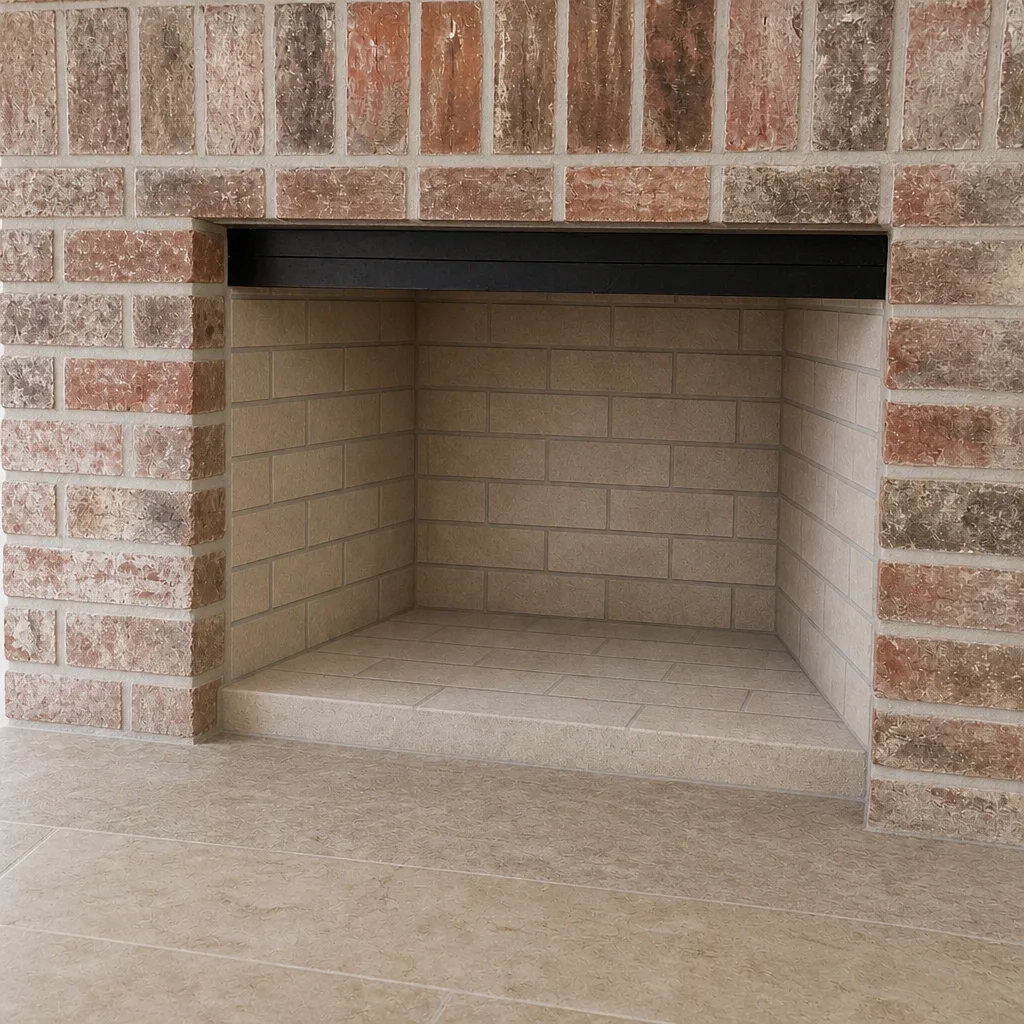
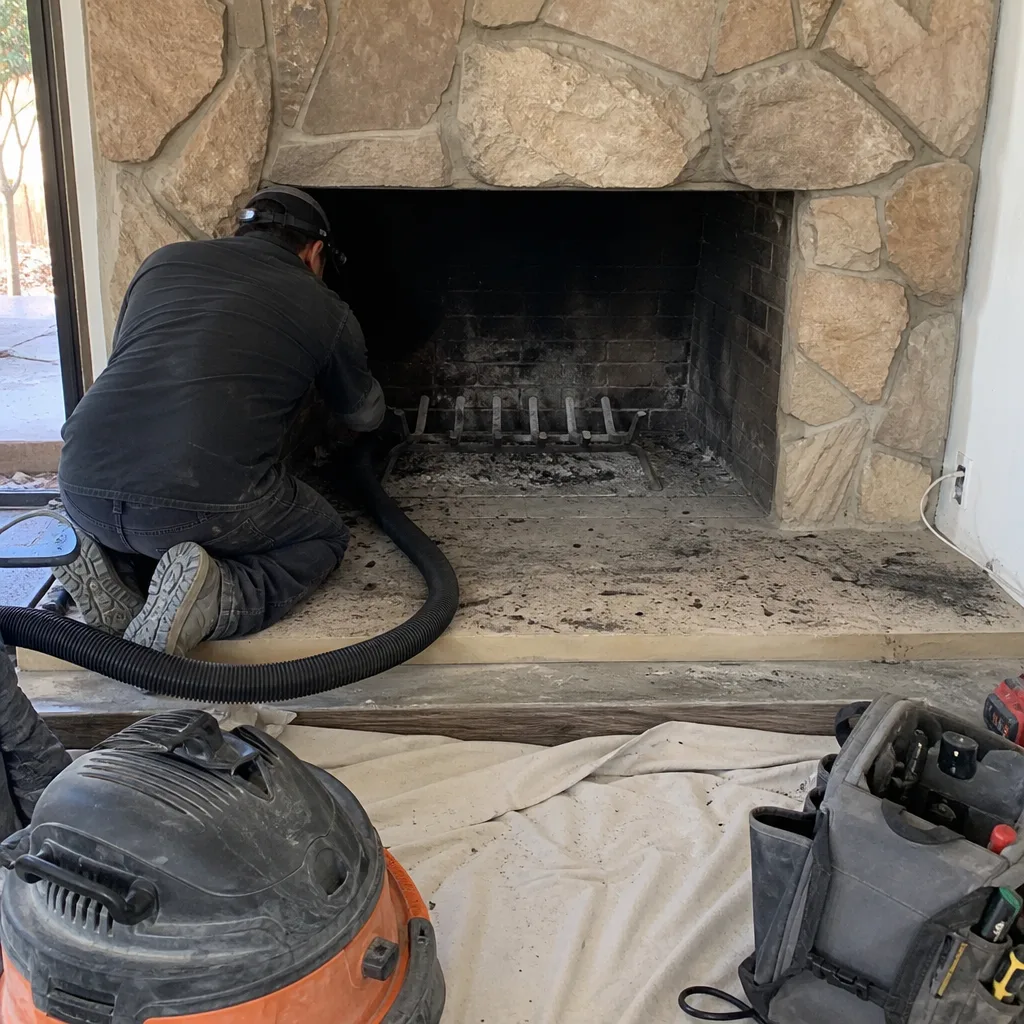
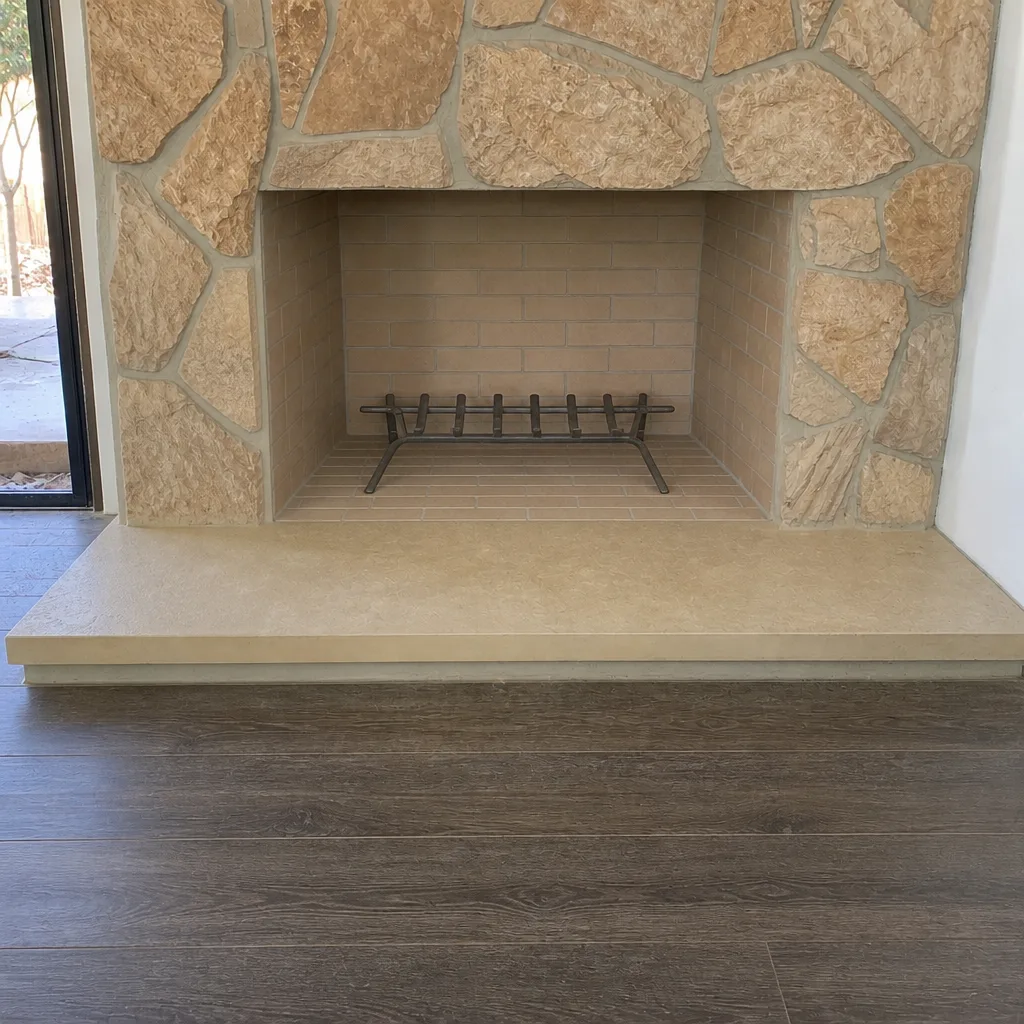
See the difference
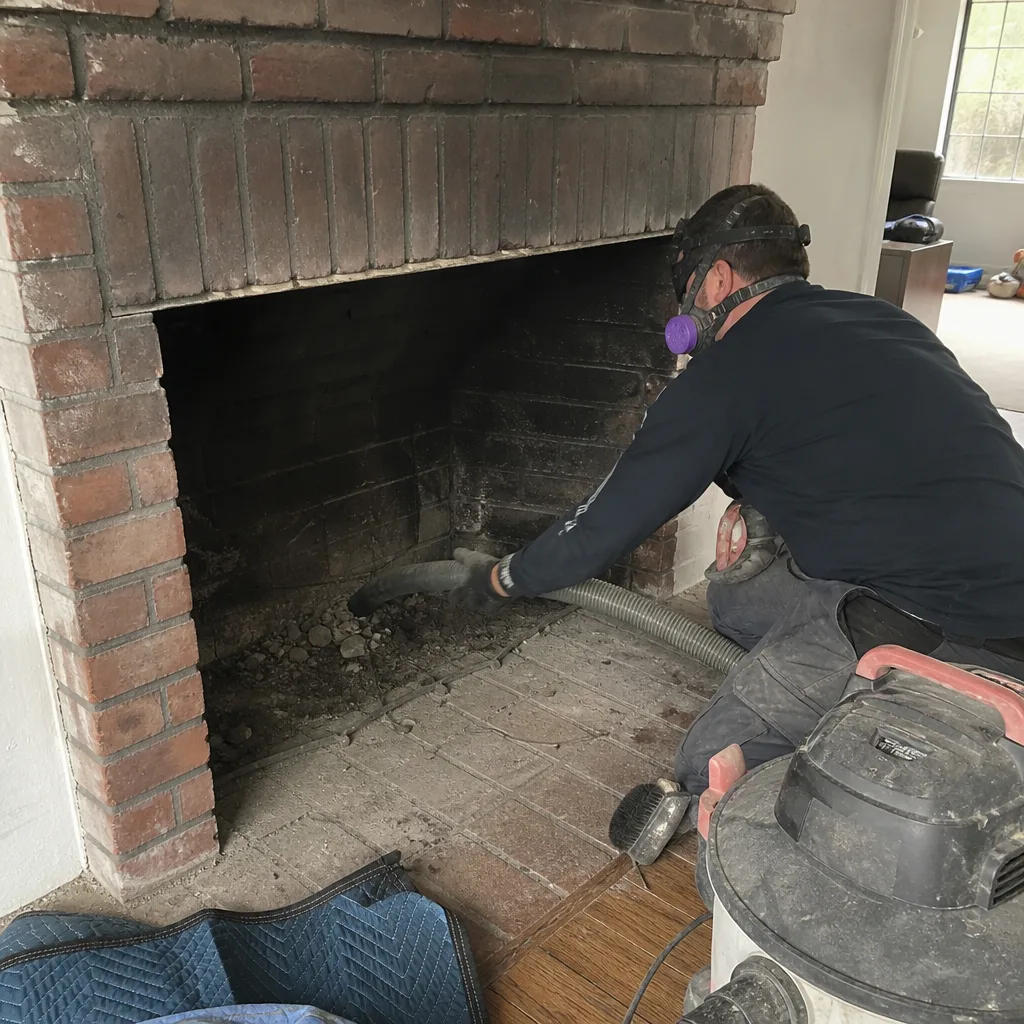 Before
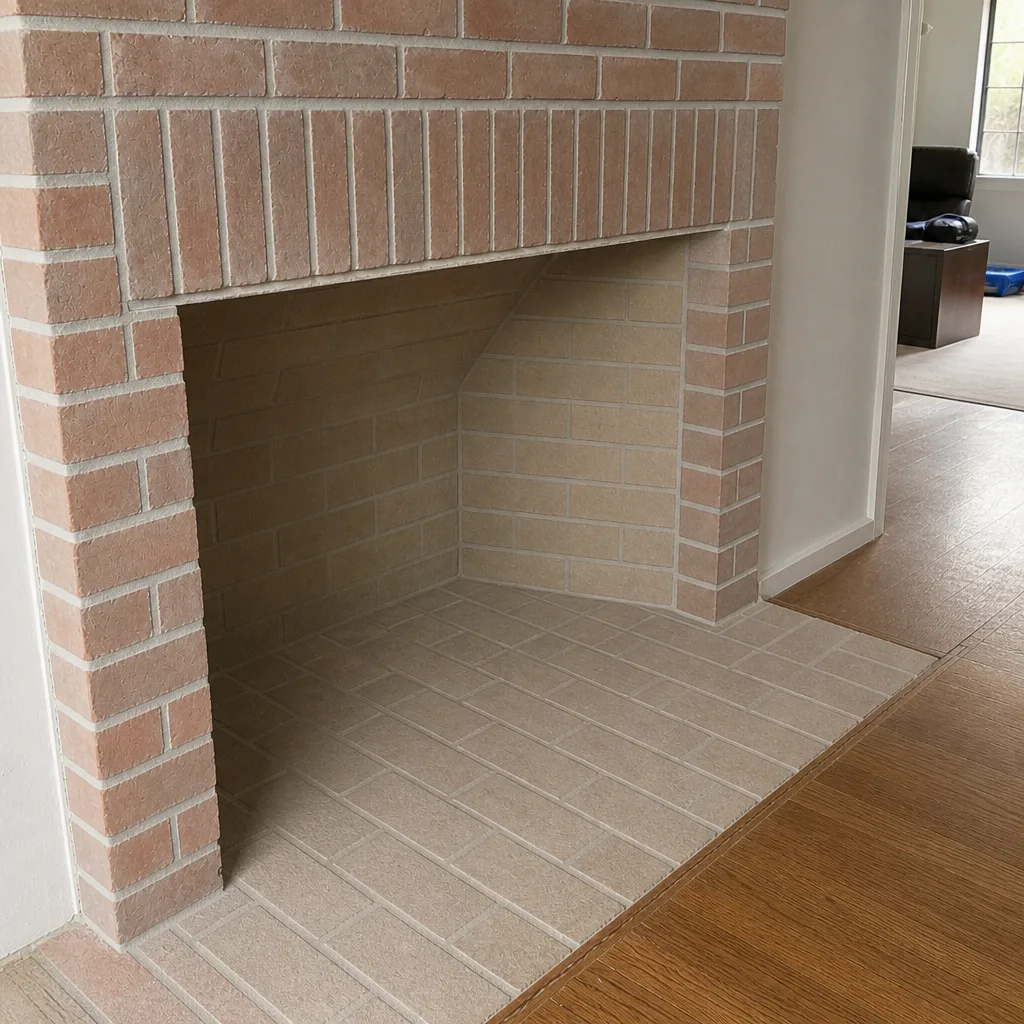 After
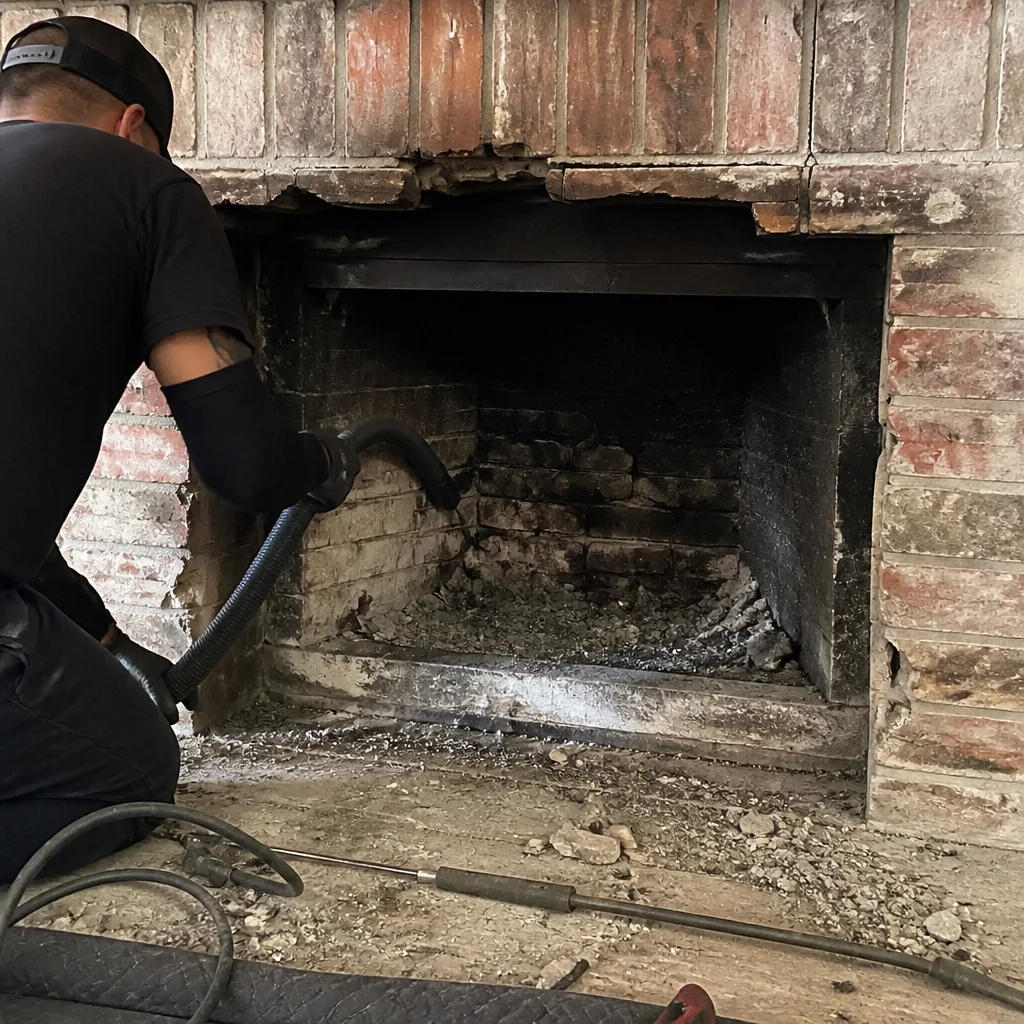 Before
 After
 Before
 After