
Last updated November 4, 2026
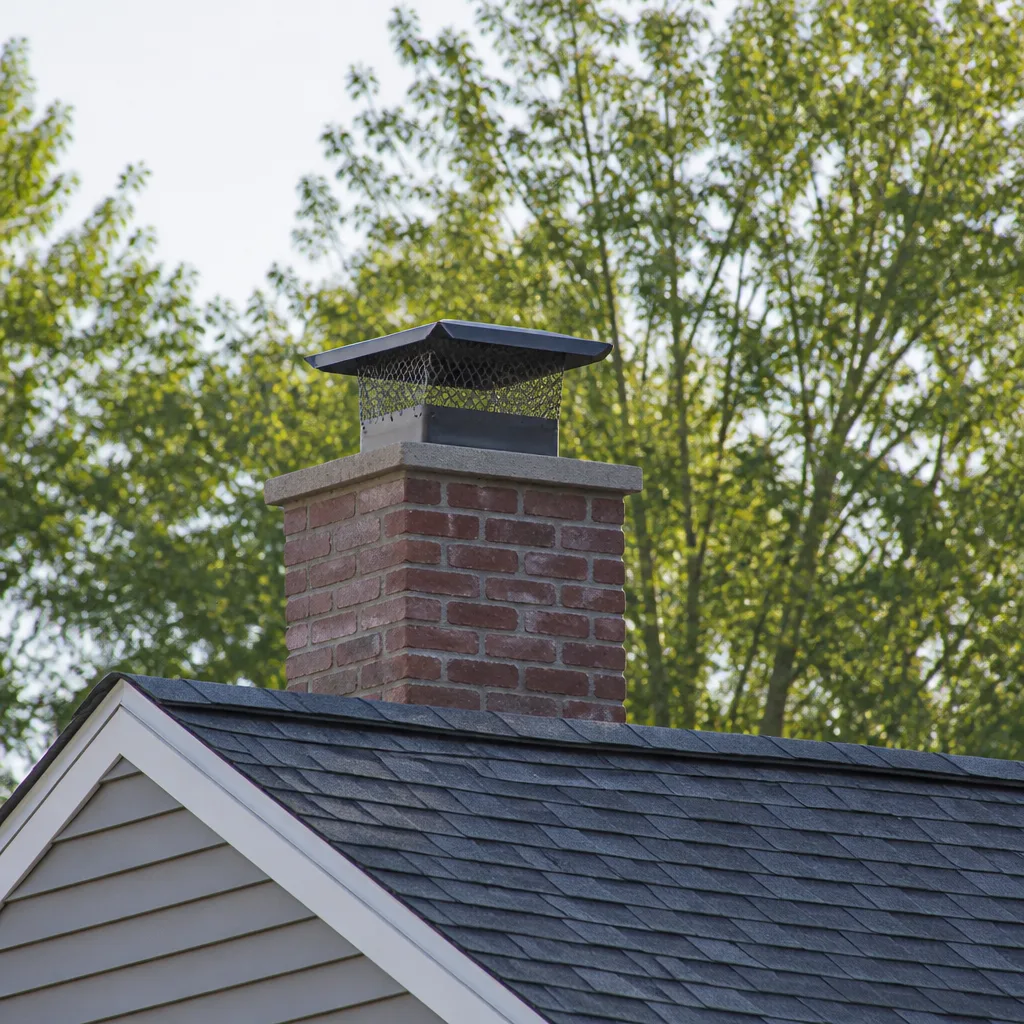 Sweep & inspection
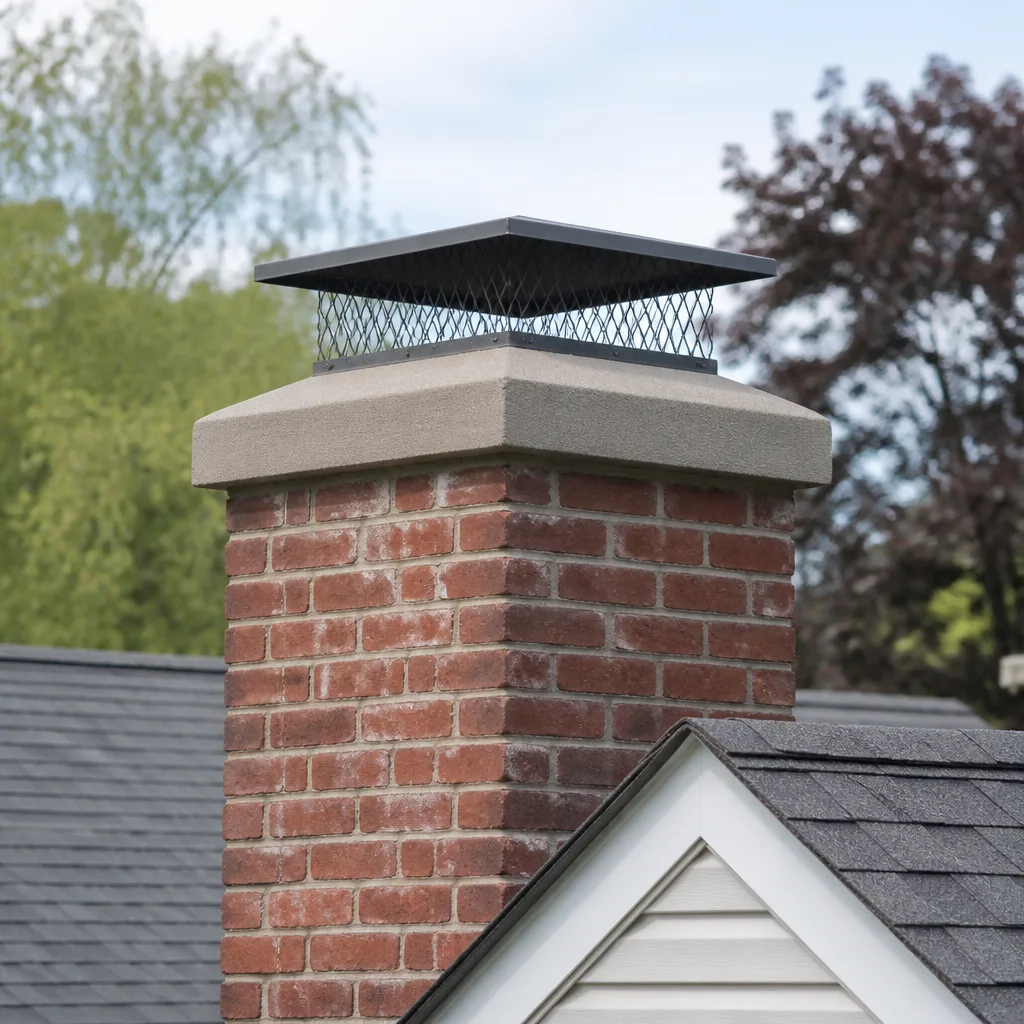 Caps & crowns
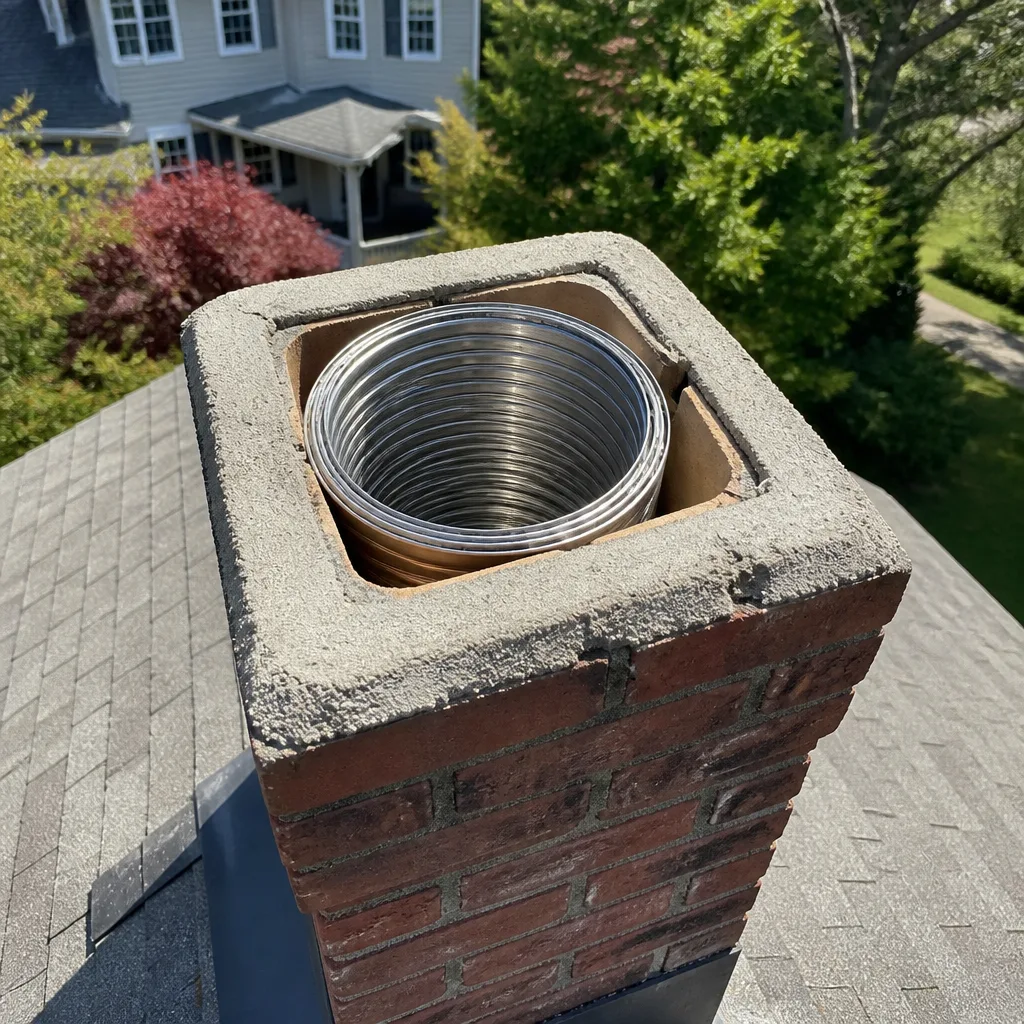 Flue relining
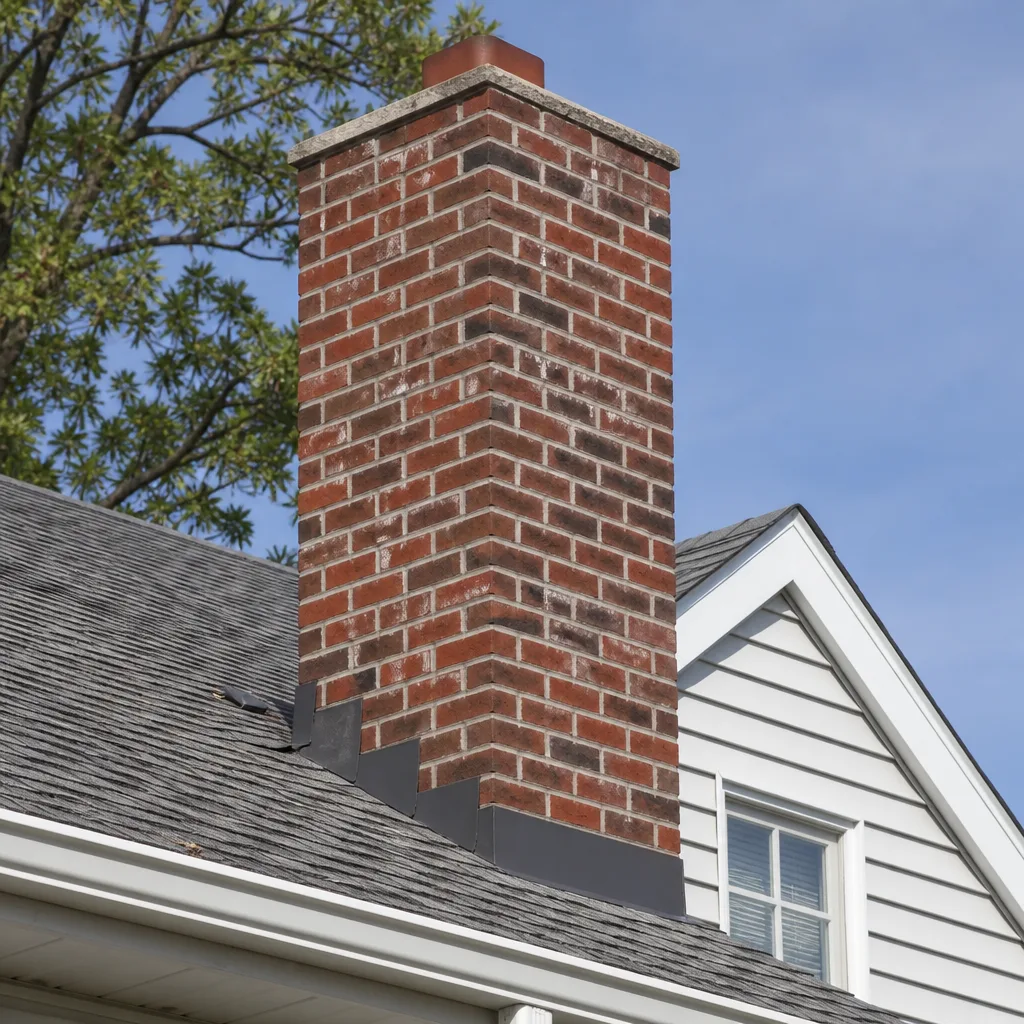 Masonry repair
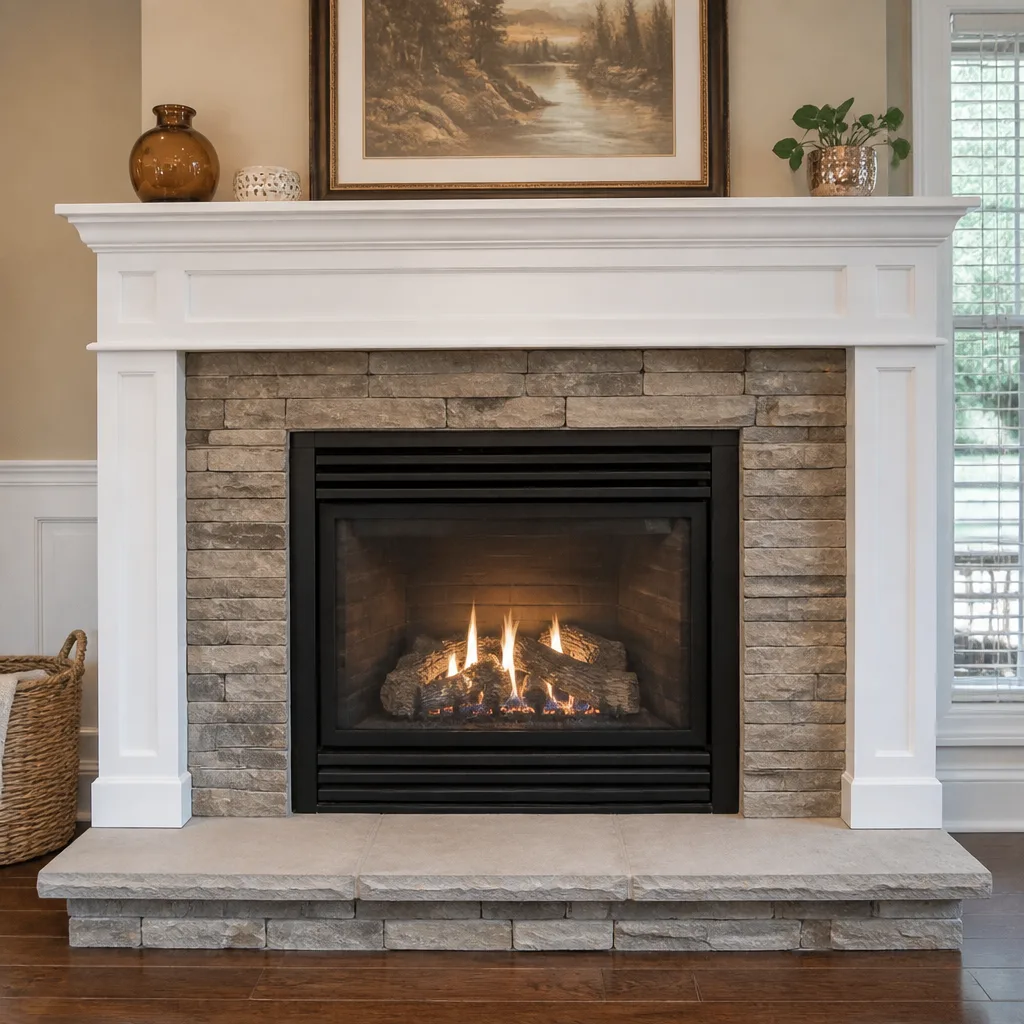 Gas fireplace service
Level 1 sweep and inspection to the NFPA 211 annual standard - flue, crown, cap, and flashing checked and photographed
Chimney sweep logs do not sweep chimneys. They loosen some creosote - which then falls where a brush and vacuum still have to collect it.
The Complete Guide to Chimney Cleaning in San Pedro
Most chimney guides are written for the Midwest, where the enemy is freeze-thaw and heavy snow. San Pedro is a different animal. Homeowners here burn wood three miles from the Pacific, and the marine layer does things to a flue that generic articles never mention. Salt-laden air accelerates corrosion on metal components, and coastal humidity changes how creosote forms. If you treat your chimney like a homeowner in Ohio treats theirs, you’ll either clean it too often or not often enough, and you may miss the early signs of liner damage that coastal conditions make more likely. This guide covers what actually happens inside a San Pedro chimney, what a proper cleaning involves, what it should cost here, and how to avoid paying for a sweep that leaves the real problem untouched.
Styles & brands we work with
- Sweep & inspection
- Caps & crowns
- Flue relining
- Masonry repair
- Gas fireplace service
Quick Answer
Chimney cleaning in San Pedro typically costs $180 to $340 for a standard sweep and inspection, and most homes with wood-burning fireplaces need it once per year, ideally before the burning season starts in fall. Coastal humidity and salt air in the San Pedro climate mean creosote can progress faster than it does inland, so an annual camera inspection matters more than the sweeping itself. A full-service chimney sweep includes the flue cleaning, a Level 1 or Level 2 inspection, and a written report with photos, not just a brush through the pipe.
Table of Contents
- What Actually Happens in a San Pedro Chimney
- How Much Does Chimney Cleaning Cost in San Pedro?
- What a Full-Service Cleaning Actually Includes
- Understanding CSIA Inspection Levels 1, 2, and 3
- What Salt Air Does to Clay Tile vs. Stainless Steel Liners
- How to Read a Chimney Cleaning Report
- Common Mistakes to Avoid
- When to Call a Professional
- Frequently Asked Questions
- The Bottom Line
What Actually Happens in a San Pedro Chimney
Wood fires produce smoke, and smoke carries water vapor, unburned carbon, and a mix of acids. As that smoke climbs the flue, it cools. When it cools enough, the water vapor condenses on the flue walls and traps the carbon. That deposit is creosote. In a dry climate, creosote forms slowly because the flue stays hotter longer and the smoke carries less moisture. San Pedro is not a dry climate. The marine layer sits over the harbor communities for much of the year, and that humidity is present in the air your fireplace pulls in for combustion. Moist air means cooler flue temperatures and faster condensation. We have seen flues in this area move from light Stage 1 creosote to sticky Stage 2 deposits in a single season, which is faster than what is typical inland.
Salt air adds a second variable. The ocean atmosphere carries chlorides, and chlorides accelerate oxidation on metal. Your chimney cap, damper, flashing, and liner are all metal components exposed to that atmosphere. Corrosion is not a dramatic event in most cases, it is a slow surface change, but it weakens joints and seals over years. A chimney that would last 30 years without issues in Riverside might need hardware replacement in 20 here. The practical takeaway: in San Pedro you should not skip the annual inspection, because the local conditions are working against the materials even when the fireplace sits unused.
Gas fireplaces are not immune. Gas combustion produces water vapor as a byproduct, and the same coastal humidity means that moisture lingers inside the flue. Gas flues degrade differently than wood flues, but they still degrade. If you have a gas insert or gas log set, the chimney still needs periodic evaluation, and the venting system still needs to be clear.
What This Means for Your Cleaning Schedule
- Wood-burning fireplaces: sweep and inspect once per year, before the fall burning season. The mild winters in San Pedro mean people burn less than in cold climates, but the humid environment means what does accumulate is stickier and more corrosive.
- Gas fireplaces: inspect every one to two years. Cleaning frequency depends on use, but the venting should be evaluated for corrosion and blockages annually in coastal air.
- Infrequently used fireplaces: still inspect annually. A dormant chimney with salt air moving through it can corrode silently. Birds, insects, and debris also get in through damaged caps, and you will not know unless someone looks.
- After any storm event: if a storm brings heavy rain or wind through the harbor area, check the cap and flashing. Damage there lets water in, and water accelerates every other problem on this list.
How Much Does Chimney Cleaning Cost in San Pedro?
In our market, a standard chimney sweep and Level 1 inspection for a wood-burning fireplace runs $180 to $340, depending on the height of the roof, the condition of the flue, and how much creosote is present. Heavier creosote buildup, particularly Stage 2 or Stage 3 glazed deposits, takes longer to remove and costs more. A Level 2 camera inspection, which is common for home sales or after a chimney fire, typically runs $200 to $500 depending on what is involved. If repairs are needed, those are quoted separately after the inspection shows what is actually going on.
Here is how a typical chimney cleaning invoice breaks down in San Pedro:
| Line Item | Typical Range | What It Covers |
|---|---|---|
| Standard sweep (wood fireplace) | $180 – $340 | Brushes, HEPA-protected run, creosote removal, disposal |
| Level 1 inspection | Included with most sweeps | Visual check of accessible chimney interior and exterior |
| Level 2 camera inspection | $200 – $500 | Internal camera scan of the full flue, video/photo report |
| Chimney cap replacement | $150 – $450 installed | New cap, mounting, sealant, depending on material |
| Flue liner resurfacing (HeatShield) | Quoted per job | Ceramic coating to seal cracks without full relining |
| Full stainless liner install (DuraFlex) | Quoted per job | Complete relining for damaged or offset flues |
These are typical ranges, not bids. The final price is set by a written estimate after we see the chimney. What matters more than the dollar figure is what the sweep includes. A $99 special that only runs a brush through the flue and skips the camera inspection is not a deal, it is a missed diagnosis. You pay for what gets found, and in coastal air, what gets found matters.
Call (833) 576-1522 for a free estimate and a written quote before any work begins. We answer 24/7. Fast dispatch from 7am to 7pm, Sunday through Friday.
What a Full-Service Cleaning Actually Includes
The phrase “chimney cleaning” means different things to different companies. A discount sweeper often runs a brush up and down, vacuums the firebox, and hands you a receipt. A full-service company does something closer to an examination with a cleaning attached. Here is what you should expect from a proper sweep in San Pedro, the kind that leaves you with a record and a recommendation, not just a clean flue.
Step 1: Drop cloths and floor protection. The crew covers the floor and furniture around the fireplace before any tools come out. Soot travels in ways gravity alone does not explain.
Step 2: Firebox cleaning. Ash, charred wood remnants, and surface soot are removed from the firebox and smoke shelf. This is where the visible mess lives, but it is also the first place a technician reads burning habits.
Step 3: Flue brushing with the right system. For standard creosote, a poly or steel brush sized to the flue does the mechanical work. For heavier deposits, a rotary cleaning system with whips and chains on a drill breaks up glazed creosote without damaging the liner. Companies that only carry one brush size are guessing. Companies that carry multiple systems can match the tool to the deposit.
Step 4: HEPA vacuum extraction. Soot and creosote dust get pulled out through a HEPA-filtered vacuum, not blown into the room. This matters for indoor air quality, and it is a simple test of whether the company invested in professional equipment.
Step 5: Inspection of the flue interior. After the brushing, a camera goes up the flue. This is where the actual report comes from. The camera shows cracks, gaps, corrosion, animal intrusion, and areas where the liner has begun to separate. In San Pedro, where salt air works on liners from the outside and creosote works on them from the inside, the camera is not optional equipment. It is the point.
Step 6: Exterior check. The cap, crown, flashing, and mortar get looked at from the roof or with binoculars. A damaged cap in a harbor-adjacent neighborhood lets rain and birds in. A cracked crown lets water into the chimney structure itself, which leads to masonry repairs that cost far more than a cap replacement.
Step 7: Written report with photos. You get a record of what was found, what was cleaned, and what, if anything, needs further attention. If the technician found nothing, the report says so. If they found cracks, you will see them in the photos. No report, no proof.
We carry professional-grade materials and tools, not whatever is on the discount shelf. That includes parts from Copperfield and Gelco, which means when a cap or termination needs replacing during a sweep, we bring the parts. The job does not stop while someone orders a piece from a catalog.
Understanding CSIA Inspection Levels 1, 2, and 3
The Chimney Safety Institute of America defines three inspection levels, and knowing the difference tells you whether a company is running a real inspection or just shining a flashlight. Here is what each level means and when it applies to a San Pedro home.
- Level 1 inspection: A visual check of the accessible parts of the chimney, inside and out. This is what should accompany every routine sweep. The technician verifies that the flue is unobstructed, that the basic structure is sound, and that no changes have occurred since the last check. If you have used your fireplace the same way for years and nothing has changed, Level 1 is the appropriate standard.
- Level 2 inspection: Everything in Level 1 plus a camera scan of the interior flue and access to attics, crawl spaces, and any accessible chimney chase. A Level 2 is required when you buy or sell a home, when you change the appliance or fuel type (wood to gas, for example), after a chimney fire, or after an event like an earthquake or major storm. In practice, we run a camera on most sweeps anyway because coastal corrosion hides in places a flashlight cannot reach. A Level 2 just formalizes the scope and the reporting.
- Level 3 inspection: This is reserved for cases where a Level 2 found something that needs a closer look inside the structure. It can involve removing portions of the chimney, drywall, or masonry to access concealed areas. Level 3 is rare in routine maintenance, but when a hidden liner failure or structural crack is suspected, it is the only way to confirm it before recommending a repair.
For most San Pedro homeowners, the annual sweep should include a Level 1 inspection at minimum, and a camera-assisted Level 2 is the smarter default. The marine layer does not wait for a real estate transaction to start corroding your liner.
What Salt Air Does to Clay Tile vs. Stainless Steel Liners
The short version: stainless steel holds up better in San Pedro than clay tile, and a flexible stainless liner like DuraFlex is the most practical solution when a liner has failed or is on its way out. Here is why.
Clay tile liners are the original chimney flue material. They handle high heat well, and they last a long time in dry, stable environments. The problem in San Pedro is moisture. Clay absorbs water. When salt-laden moisture soaks into a clay liner over years, the surface begins to spall, meaning small pieces flake off. Once spalling starts, the liner is compromised. The cracks grow, the flue can no longer contain the heat and gasses it was designed to, and the only real fix is relining or resurfacing. Clay does not bounce back from coastal exposure.
Stainless steel liners are corrosion-resistant by design. A quality stainless flex liner like DuraFlex is engineered for combustion exhaust, and the alloys used resist the chlorides that attack other metals. That does not mean stainless is invincible, nothing is, but it handles the San Pedro environment far better than clay tile over the same period. Stainless flex liners are also the practical answer for flues that were built with offsets or that have shifted over time. A rigid clay liner cannot bend, and when the chimney settles, the clay sections shift and open gaps. A flex liner follows the path of the existing flue and creates a continuous, sealed exhaust path.
There is a middle path worth knowing about. HeatShield is a ceramic resurfacing system that crews apply to the inside of an existing flue. It seals small cracks and restores the flue surface without removing the old liner. For a liner with early damage, HeatShield is often the cost-effective repair path, far cheaper than a full relining job, and it extends the life of the flue without tearing the chimney apart. Not every company offers it, but the ones that do give you an option between doing nothing and replacing everything.
Which Liner Material Is Right for a San Pedro Home?
- Clay tile, in good condition: leave it alone, but watch it. Annual camera checks will catch early spalling before it becomes a fire escape problem.
- Clay tile with minor cracks: HeatShield ceramic resurfacing can seal the damage without full relining. This is the cost-effective fix most companies will not mention because they do not carry the system.
- Clay tile with major damage or offset flue: full relining with a DuraFlex stainless system. This is a structural repair, not a maintenance call, and it is the right long-term solution for a flue that has failed.
- New gas appliance install: many gas appliances require a correctly sized stainless liner. This is code-driven and important, so the liner gets matched to the appliance, not the other way around.
The right liner depends on what the camera shows. That is why the inspection and the recommendation belong in the same visit, from the same company. Sweep, inspect, repair, in one visit.
How to Read a Chimney Cleaning Report
A cleaning report only protects you if you know what it is supposed to contain. A technician can sweep a chimney, hand you a receipt that says “cleaned,” and leave without finding the cracked flue tile that should have stopped the job. Here is how to tell whether the report actually says something.
Look for the inspection level. If the report does not state which level of inspection was performed (Level 1, Level 2, or Level 3), ask. A Level 1 might say “interior appears normal from accessible viewing points,” which is a visual check. A Level 2 report will reference the camera scan and include still images. If you paid for a camera inspection, you should have photos.
Look for specific findings, not boilerplate. Sentences like “flue cleaned, no issues found” are fine, but they should be followed by specifics: “creosote removed from 6′ of flue, Stage 2 deposit in upper third, liner intact below.” Specificity is a sign that someone actually looked. Boilerplate is a sign that the form got filled out in the truck.
Look for the condition of the cap and crown. These are the parts most exposed to coastal weather in San Pedro, and they are where water intrusion starts. If the report does not mention them, the inspection was incomplete. A cracked crown or a rusted-out cap is a finding that should appear in writing, with a photo.
Look for the recommendation section. Every useful report ends with what the technician recommends and how soon. “No repairs needed at this time” is a recommendation. “HeatShield resurfacing recommended within 12 months” is a better one, because it tells you the timeline. A report with no recommendation is a sweep without judgment, and judgment is what you are paying for.
If the report shows damage, ask to see the photos. We believe nothing should be recommended without camera evidence you can look at yourself. A cracked liner is either visible on the screen or it is not. No one should be asking you to spend thousands based on a verbal description.
Common Mistakes to Avoid
- Skipping the annual inspection because the fireplace was barely used. In San Pedro, the salt air is working on your cap, flashing, and liner even when the fireplace sits cold. An unused chimney still corrodes, still collects debris, and still needs a look once a year.
- Hiring the cheapest sweep and letting the inspection slide. A $99 cleaning that skips the camera is a coin flip. If the flue has hidden damage, the cheap sweep costs more in the long run, because the damage compounds while you think everything is fine.
- Burning unseasoned wood. Wet wood makes a cooler fire, which makes more creosote. In humid coastal air, the problem is worse than inland. Burn seasoned hardwood with moisture content below 20 percent, and the creosote buildup slows down meaningfully.
- Ignoring a damper that does not seal well. A warped or corroded damper lets outdoor air move through the chimney year-round. In San Pedro, that air is carrying chlorides. A bad damper is not just a draft problem, it is an ongoing exposure problem for everything above it.
- Replacing a cap with whatever is cheapest. A discount cap rusts faster in coastal conditions. A stainless cap costs more up front but lasts years longer in this environment. The same logic applies to every metal component on the chimney.
- Thinking gas fireplaces do not need attention. Gas vents corrode too, and they clog with debris. A gas chimney that has never been inspected is not safe by default, it is just uninspected.
- Waiting until fall to book a sweep. Everyone in San Pedro books in October and November. The smart move is late summer, before the rush. You get the appointment you want, and the chimney is ready the first cool evening you want a fire.
When to Call a Professional
Call a chimney professional if you notice smoke backing into the room when the fire is lit, a persistent odor coming from the fireplace even when it is not in use, visible creosote buildup you can scrape with a poker, or any sign of water staining on the ceiling or walls near the chimney. These are signals that something has changed in the flue or the structure around it, and in coastal San Pedro, small changes tend to get bigger. After any chimney fire, even a small one, stop using the fireplace until a camera inspection confirms the flue is intact. A chimney fire can crack a liner and leave gaps you cannot see from the firebox. The same applies after an earthquake or a major storm event. We do not recommend any repairs without camera evidence you can review yourself, and we walk you through what the photos show. Chimney Sweep San Pedro offers free estimates in San Pedro, call (833) 576-1522. We answer 24/7. Fast dispatch from 7am to 7pm, Sunday through Friday.
Dryer vents are fireplace work too. Lint accumulates in dryer exhaust ducts the way creosote accumulates in chimneys, and the fire risk is just as real. If you have not had your dryer vent checked in years, the same camera inspection approach applies. See our dryer vent cleaning page for the full run of how it works.
Frequently Asked Questions
A standard sweep and inspection in San Pedro typically runs $180 to $340, with heavier creosote or taller roofs pushing the price up. A Level 2 camera inspection is usually $200 to $500. The written estimate after an inspection sets the final price, and the estimate is free. Call (833) 576-1522 for an exact quote.
Once per year for wood-burning fireplaces, ideally before the fall burning season. Coastal humidity makes creosote stickier and faster-forming than inland, so annual cleaning is a real schedule, not a sales pitch. Gas fireplaces can go one to two years between inspections, but the venting should still be evaluated annually if the unit is used regularly.
Depends on what the camera shows. Minor cracks can often be sealed with HeatShield ceramic resurfacing, which avoids a full relining job. Major damage or offset flues usually require a full stainless liner like DuraFlex. No responsible company recommends either option without photos you can see for yourself, so ask to review the camera images before approving anything.
Creosote keeps building, and in San Pedro the salt air keeps working on the liner at the same time. The two problems compound. A flue lined with thick creosote is a chimney fire waiting for the right burn, and a corroding liner that goes uninspected can fail without warning. Skipping a year here and there is not harmless neglect, it is deferred risk that gets more expensive the longer it waits.
It is real. The chlorides in coastal air accelerate oxidation on metal caps, dampers, and flashings, and the moisture contributes to clay tile spalling over time. Chimneys in harbor-adjacent neighborhoods need their metal components replaced sooner than identical chimneys inland. That is why the inspection matters as much as the sweeping.
A cheap sweep cleans the flue and stops there. A full-service company cleans, runs a camera, checks the cap and crown, writes a report with photos, and brings the parts if a repair is needed, using professional materials from manufacturers like Copperfield and Gelco. The difference is what gets found before it becomes an emergency. Call (833) 576-1522 for a free estimate.
The Bottom Line
Chimney cleaning in San Pedro is not a luxury service, it is annual maintenance for a system that sits in one of the more corrosive atmospheres in Southern California. The marine layer speeds up creosote formation, and the salt air works on every metal component from the cap down. What that means for homeowners is simple: inspect once a year, clean when the creosote calls for it, and never approve a repair without camera evidence. A full-service company will show you the photos, explain the options honestly, and offer repair paths like HeatShield resurfacing that cheaper operations do not even carry. For fireplace, chimney, and dryer vent work in one visit, Chimney Sweep San Pedro serves the San Pedro area with free estimates and straight answers.
Written by the team at Chimney Sweep San Pedro, serving San Pedro since 2016.
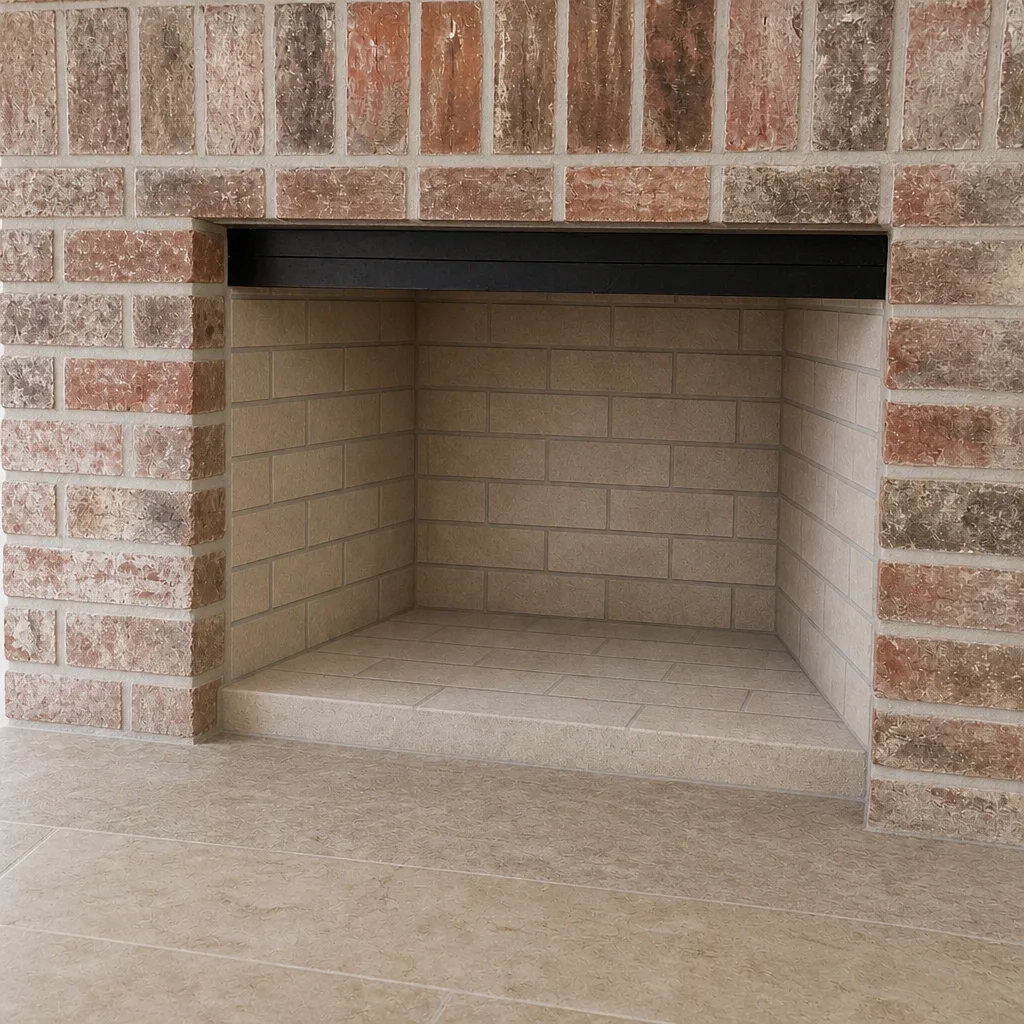
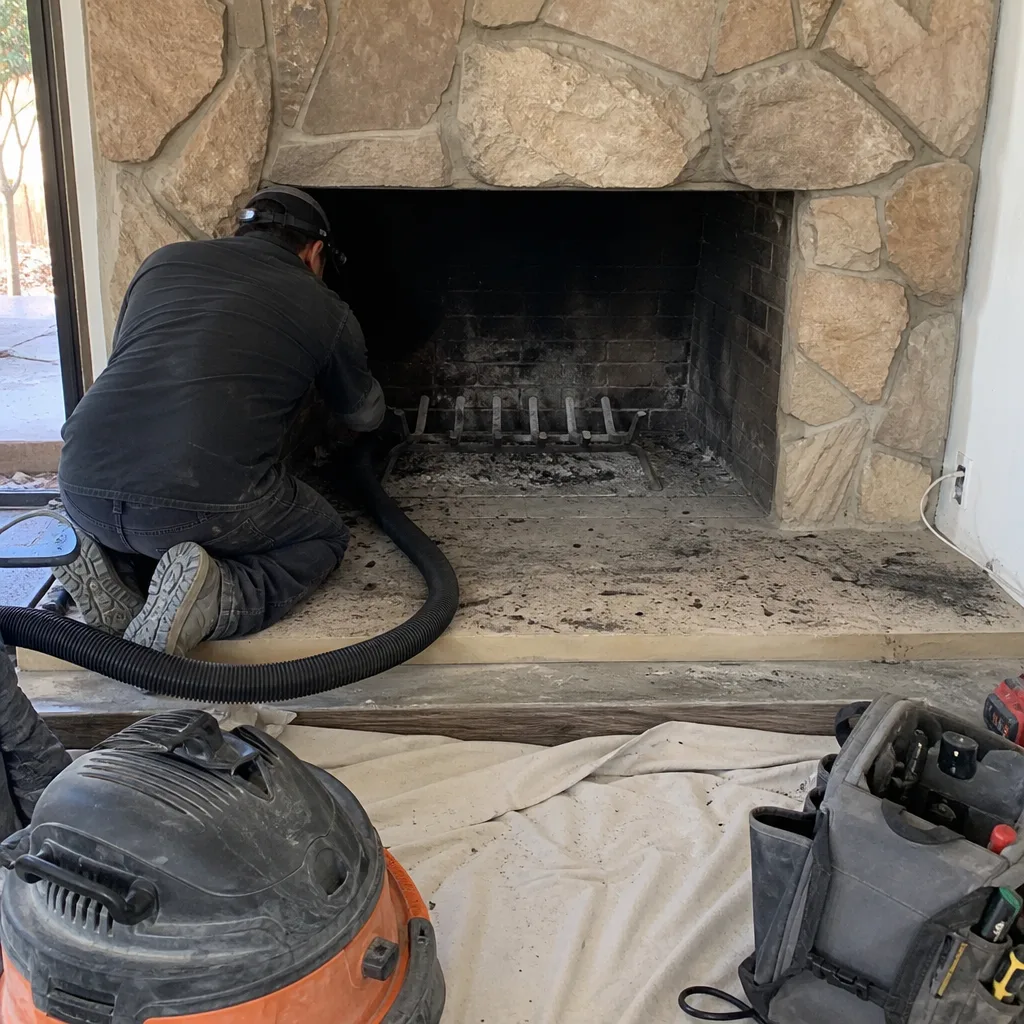
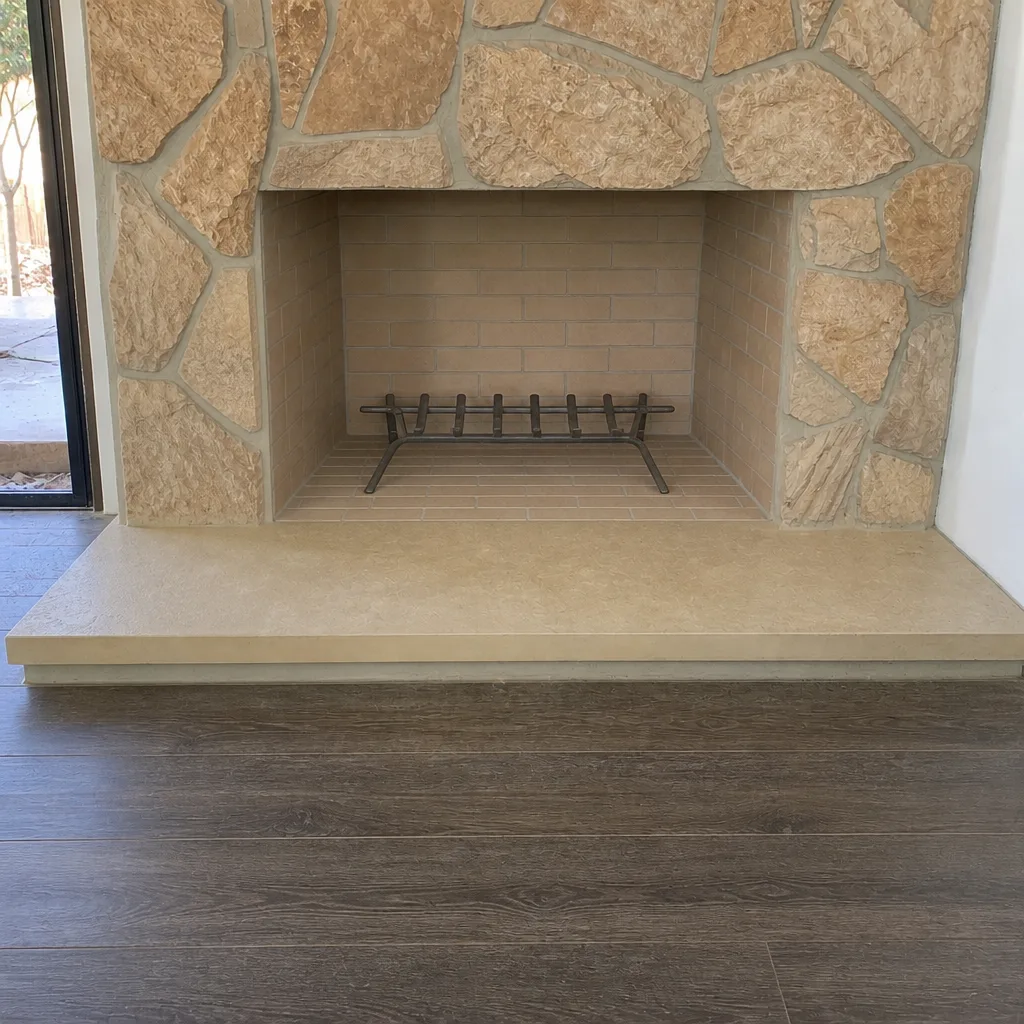
See the difference
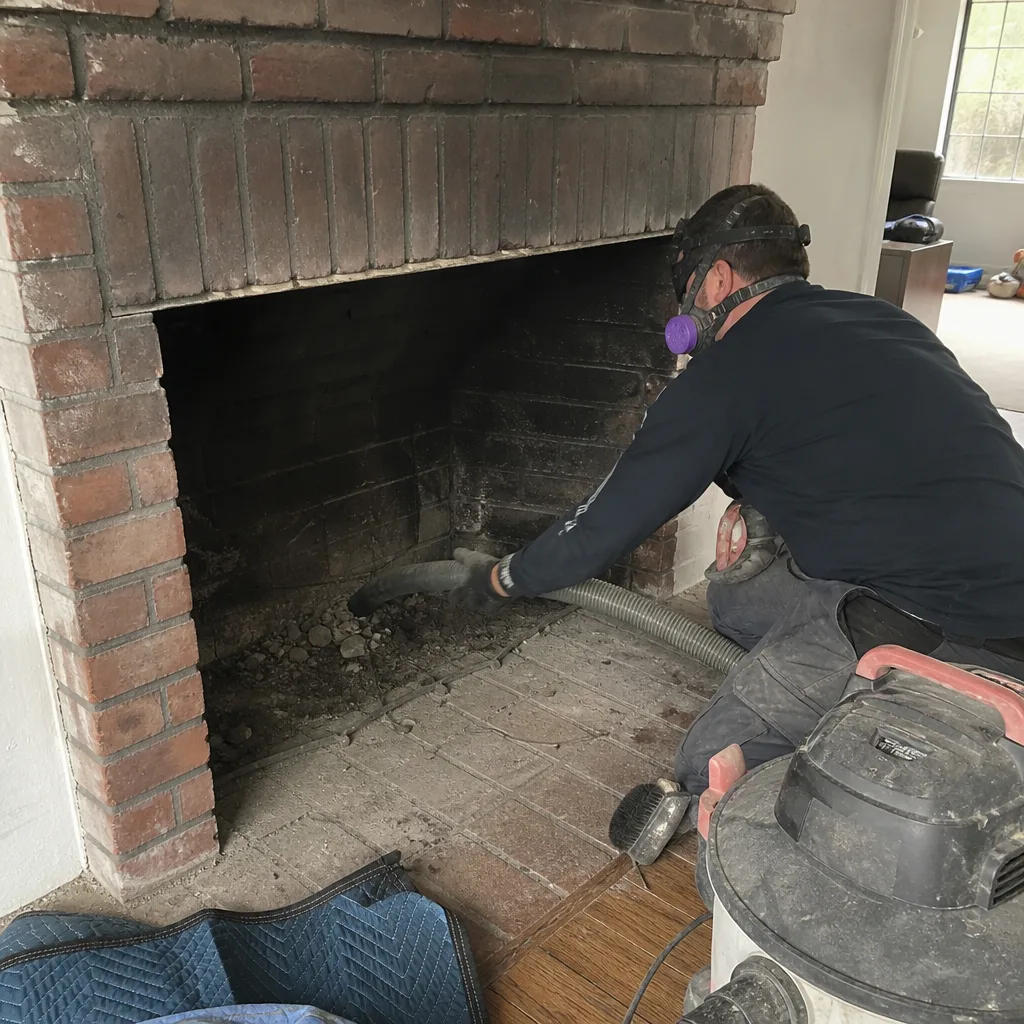 Before
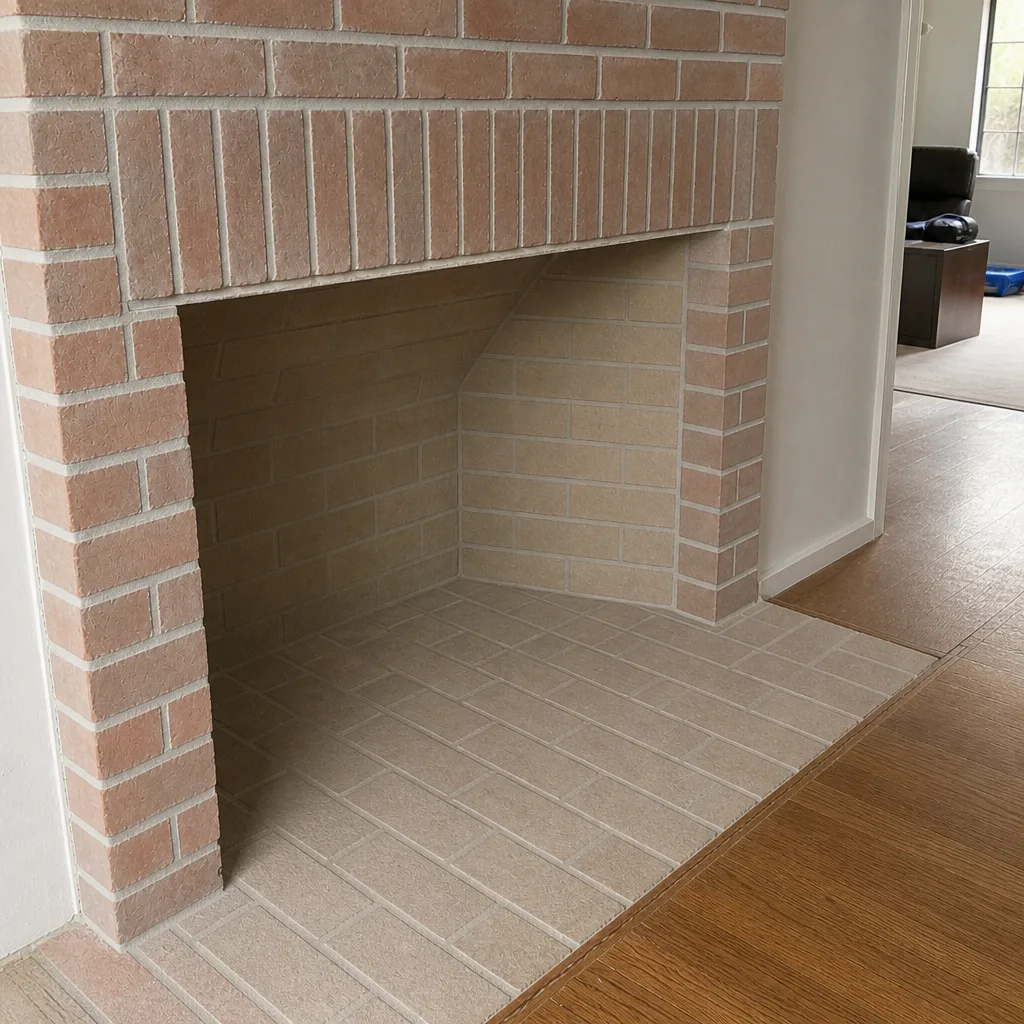 After
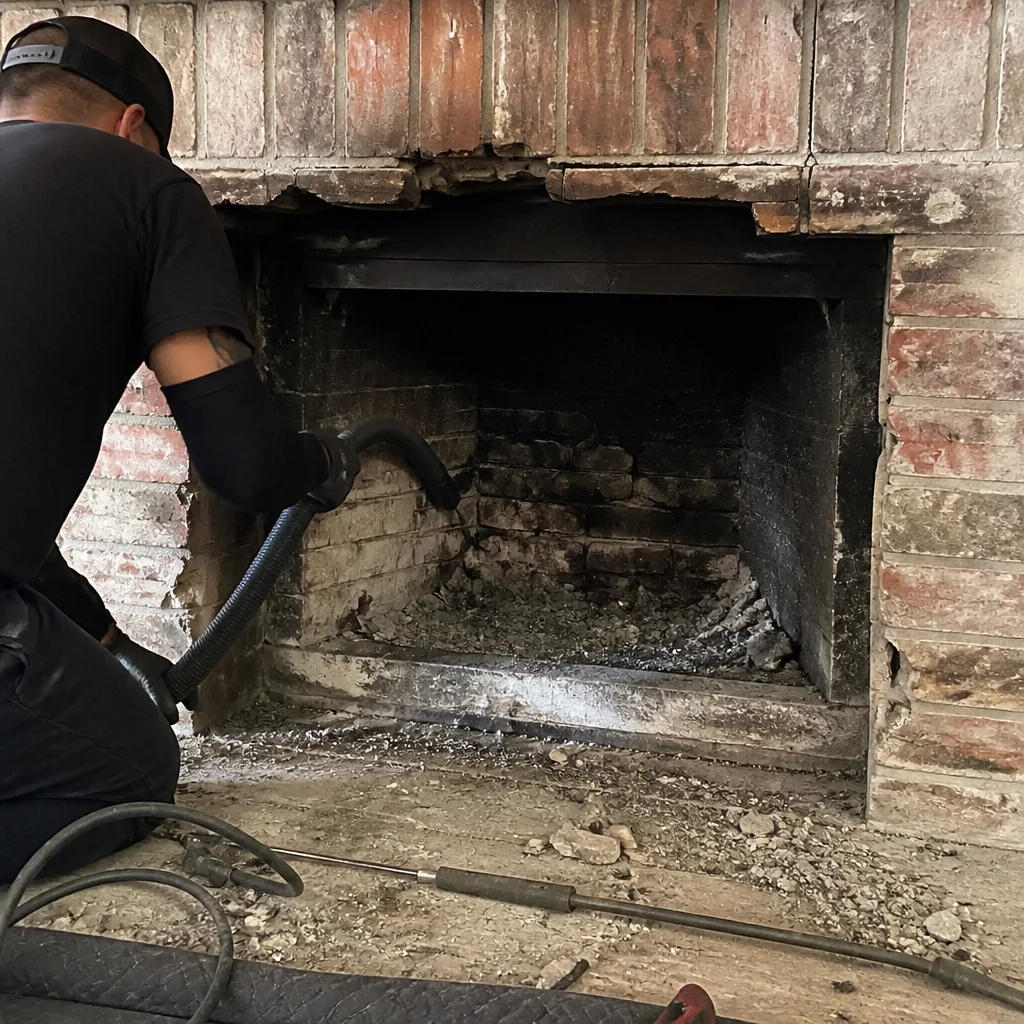 Before
 After
 Before
 After